
ISO 8583
ISO 8583 Field Descriptions (F54)
F54 - ADDITIONAL AMOUNTS is the additional amount field used in transactions. It can take different values depending on the transaction, such as carrying account balance information for balance inquiries.
Search
174 articles found
ISO 8583
F54 - ADDITIONAL AMOUNTS is the additional amount field used in transactions. It can take different values depending on the transaction, such as carrying account balance information for balance inquiries.

Credit Card
The service code is information printed on a card's Track 1 and Track 2 data, covering card type, PIN usage, and domestic/international usage status. It is kept at the product level in bank systems.

Merchant & POS
In daily credit card purchases, the POS produces two receipts: the Customer Copy and the Merchant Copy. The cardholder gets the customer copy; the merchant keeps its own copy by law.

Merchant & POS
Address Verification Service (AVS) is a fraud prevention system that helps limit fraud and chargebacks when used effectively. It verifies that the address a customer enters matches the cardholder's address on file with the issuer.
Merchant & POS
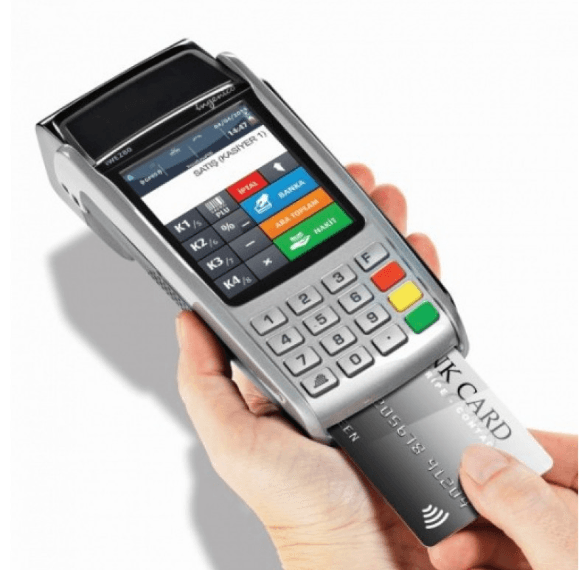
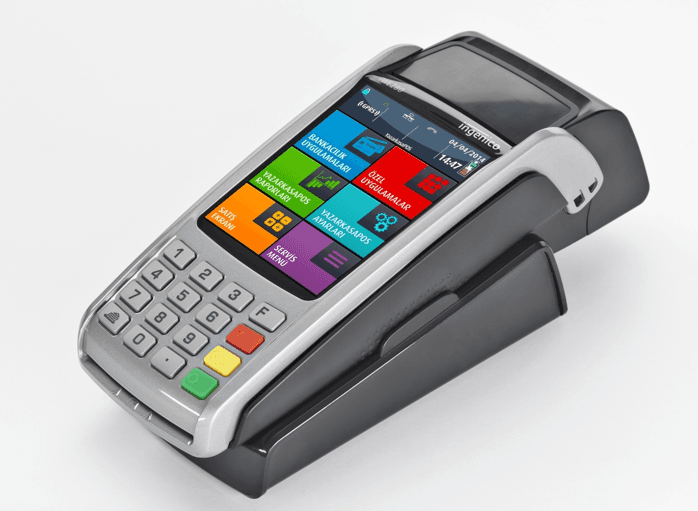
A smart cash register is a new-generation, IP-based payment recording device that integrates a cash register with a POS terminal. It combines fiscal devices and POS devices in a single unit and transmits data to the Ministry of Finance in real time.
Merchant & POS
Transaction types that can be made with a card through a POS: Magnetic Sale, EMV (Chip) Sale, Fallback Sale, Offline EMV Sale, Mail Order, and Ecommerce Sale, each explained in detail below.
Merchant & POS
Introduction: When a card (credit card/debit card/prepaid card) is used at an ATM or POS, data must be carried securely between systems. For example, in a store sale, the POS initiates the transaction, which must reach the cardholder's bank intact.
Credit Card
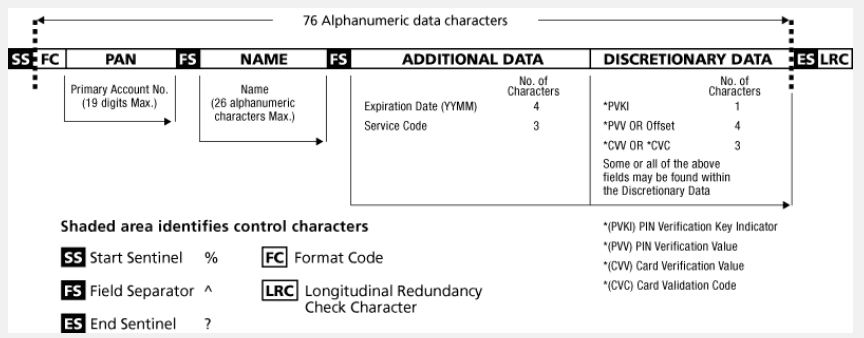
Track 1 is a special data set encoded on a card's magnetic stripe that contains the card information required for authorization when the card is used physically. It includes the cardholder name, card number, and expiration date.
Credit Card
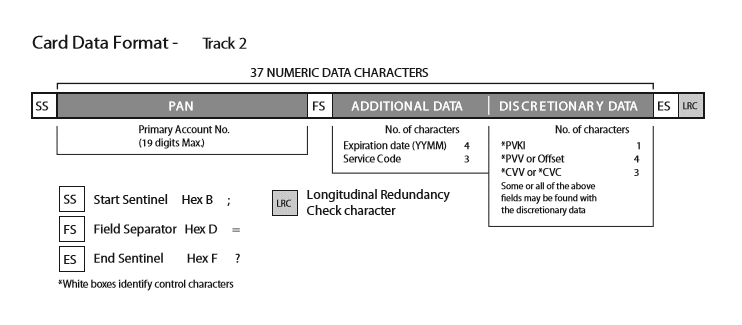
A special data set printed on a card's magnetic stripe, containing the card information required for authorization when the card is used physically. It consists of 40 numeric characters. The Track2 field structure includes several data fields such as length and description.
Merchant & POS
Not Onus is a payment systems term meaning "Not On Us": a situation where the card-issuing bank and the POS/ATM (acquiring) bank differ. Such transactions are settled through clearing between the two banks.

Fraud
Contactless transactions have grown rapidly, but can a payment really be made from your wallet without your knowledge? Here is what the actual risks and safeguards look like.

Credit Card
CNP refers to a transaction made through a website or a company's own app payment page, where the card is not read by any device and its details are entered manually. It is short for Card Not Present.