Skip to content

Search

"Debit and Credit Cards"

126 articles found

Illustration of Host Card Emulation (HCE) enabling contactless mobile payments

Online & Authorization

What Is HCE?

HCE lets a mobile device's operating system emulate the cards we use daily (credit, debit, gift cards, etc.) to make contactless payments via NFC. In other words, our phones behave like the cards we use for payments.
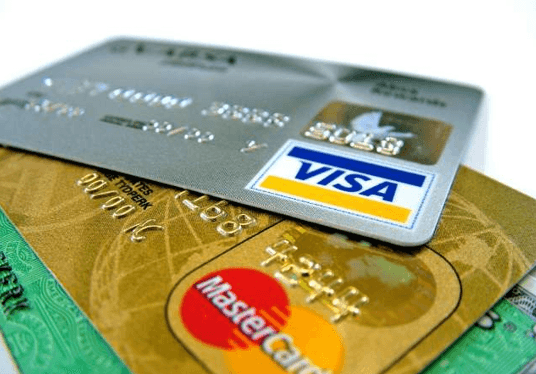
Diagram illustrating the stages a credit card goes through from application to delivery

Credit Card

What stages does a credit card go through before reaching the customer?

Credit cards are undoubtedly the most important payment tool for most of us when shopping. So what stages does a credit card or debit card go through before it reaches our pocket? The customer submits a card application request, and the process continues from there.

Diagram illustrating how a bank allocates a credit card limit

Credit Card

What does credit card limit allocation mean?

A credit card is a card whose limit the bank sets after evaluating the customer against criteria such as income, payment history, and credit bureau score.

Illustration representing the DCI debit credit indicator distinguishing card types in a transaction

Credit Card

What Is DCI (Debit/Credit Indicator)?

DCI (Debit/Credit Indicator) is a flag that shows whether a transaction was made with a credit card or a debit card. With the arrival of prepaid cards, it began to be used as DCPI (Debit/Credit/Prepaid Indicator). Is DCI sent in the authorization message?

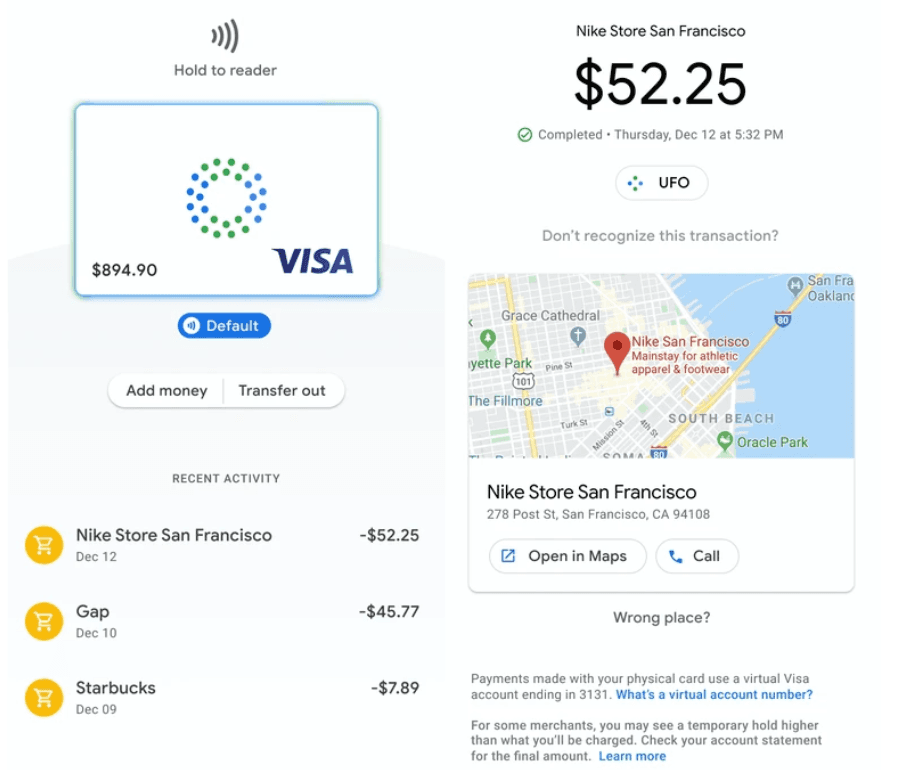
Google Card, the physical payment card Google is reportedly preparing to rival Apple Card

Credit Card

Meet the Google Card!

After Apple Card, announced last March to great fanfare, Huawei said it would issue a card too. Google has now joined the race among tech companies by announcing a new card of its own.

Diagram showing payment systems components managed in-house by a bank

Merchant & POS

What Is 'In-house' in the World of Payment Systems?

In-house is a term widely used in the world of payment systems. It means that payment systems applications are managed end-to-end within the bank's own systems, both in terms of code and process.

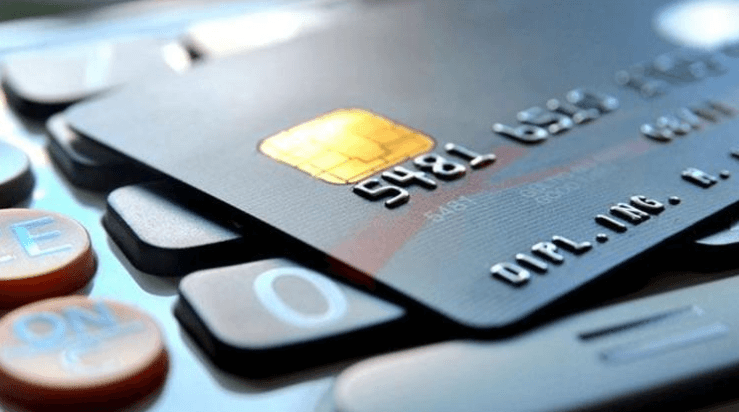
Close-up of a payment card showing its first six digits, the BIN

Credit Card

What Is a BIN (Bank Identification Number)?

BIN stands for Bank Identification Number, the unique code made up of a card's first 6 digits that identifies which bank issued it, under the ISO/IEC 7812 standard.

Illustration of a surcharge fee added to a card payment transaction

Merchant & POS

What is a surcharge?

A surcharge is a fee, charge, or tax added to the cost of a good or service. In payment systems, it refers to adding the merchant's transaction commission to the cash sale amount on credit card transactions, resulting in a higher charge.

Illustration of EMV chip card technology used in VSDC and M/Chip-Lite applications

Credit Card

What is VSDC (Visa Smart Debit Credit) and M/Chip-Lite?

EMV chip cards contain a small, powerful microprocessor that provides enhanced security, faster transactions, and support for loyalty programs. VSDC is Visa's chip-based solution; M/Chip-Lite is Mastercard's low-cost equivalent for banks starting their chip migration.

Illustration representing Visa card types used in payment processing

Payment Systems

What is the Card Type Information Used in the Visa System?

Card type information is used in card schemes such as MasterCard, Visa, and TROY. The card types and card type codes used in the Visa system include Credit, Prepaid, Debit, Deferred Debit, and Charge Card.

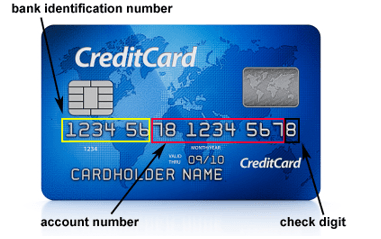
Diagram illustrating the structure of an Issuer Identification Number (IIN) on a payment card

Credit Card

What is an Issuer Identification Number (IIN)?

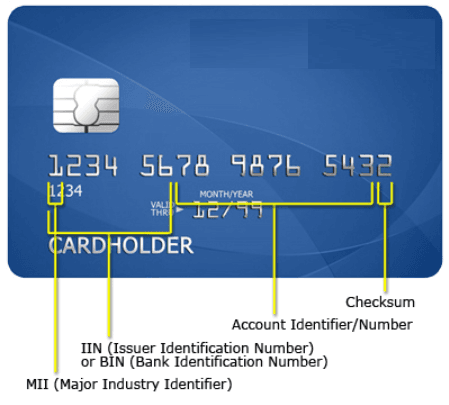
Issuer Identification Number (IIN) is the first 6 digits of 16-digit cards and the first 8 digits of 19-digit cards. It is more commonly known as BIN (Bank Identification Number). Learn what the IIN table holds and how to look one up.