Although it may seem impossible when you first hear it, it is technically possible. Our answer is that they can be issued.
When a bank that has magnetic stripe debit cards wants to offer chip debit cards to its customers, it can issue chip debit cards under the same BIN number.
So can issuing banks make this decision on their own?
No, they cannot. The bank must communicate the eligibility and the card profile change to the organization from which it obtained the BIN (Mastercard, Troy, Visa, etc.). If the decision to issue under the same BIN is approved, both chip and magnetic stripe cards can be issued under the same BIN.
What is a card profile?
A BIN is defined with certain characteristics when it is registered with the card scheme. These characteristics are called the card profile. The card profile includes information such as the card type (credit, debit, prepaid), the card product, whether it has a chip and the transaction types it supports. The card scheme and other banks see this information through BIN tables.
Why does it matter during transition periods?
The transition from magnetic stripe cards to chip cards does not happen all at once. While old magnetic stripe cards continue to be used in the field, newly issued cards are distributed with chips. Defining the same BIN to cover both card types allows the bank to manage this transition without obtaining a new BIN.
How can you tell whether a card has a chip?
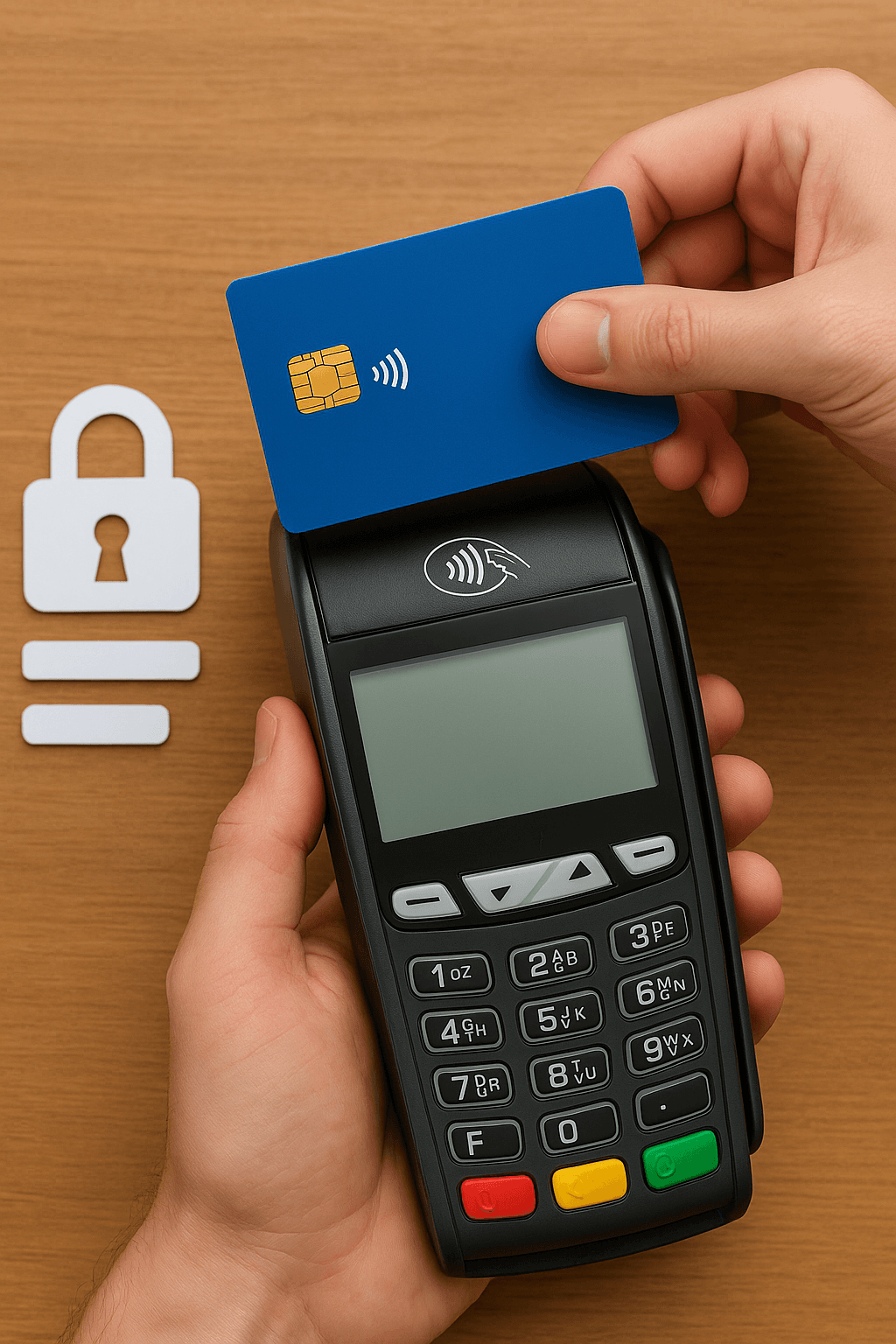
When there are different card types under the same BIN, whether a card has a chip cannot be determined by looking at the BIN alone. This information comes from the service code on the card's magnetic stripe. If the service code starts with 2 or 6, the card is indicated as a chip card. Based on this information, the terminal asks for the card to be inserted into the chip reader.
Today
Today, almost all bank cards and credit cards issued in Türkiye have chips. That is why having magnetic stripe and chip cards together under the same BIN is mostly specific to transition periods.