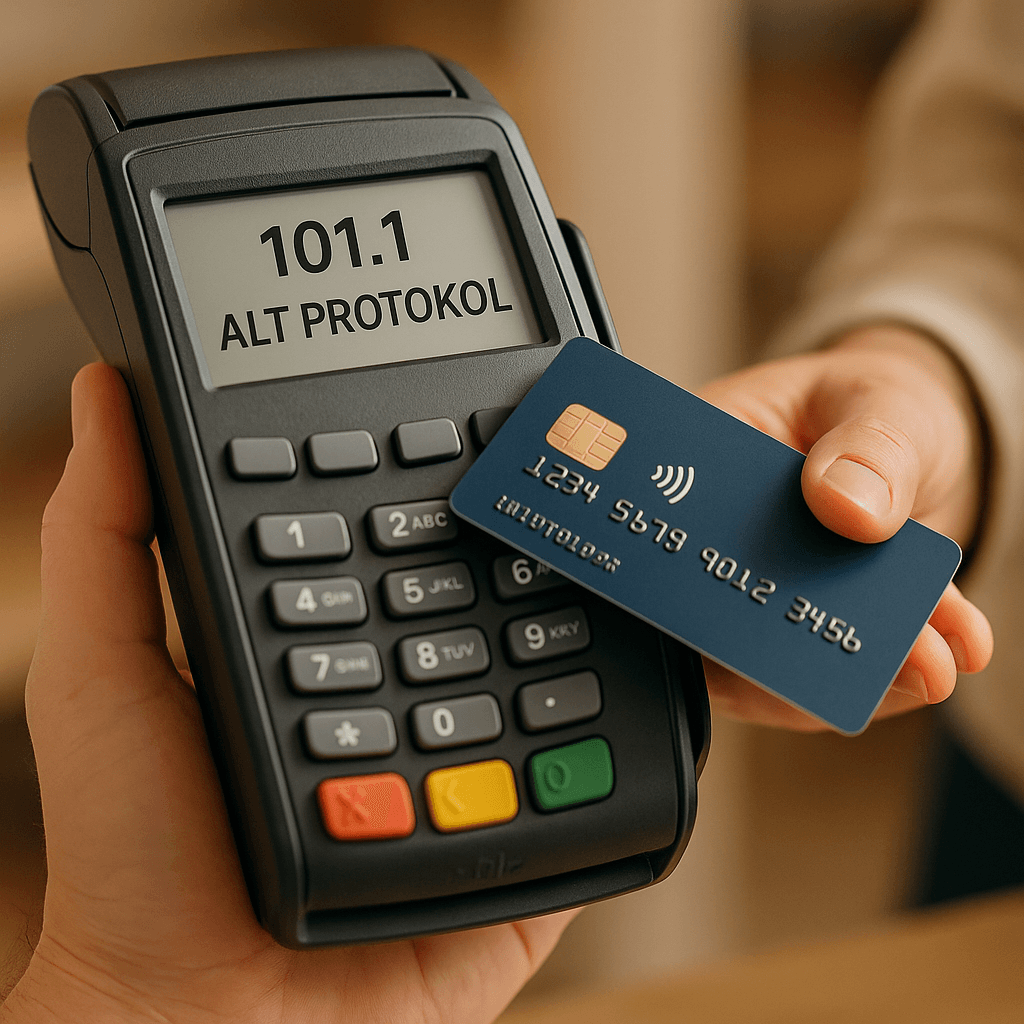
Surcharge is a fee, charge, or tax added to the cost of a good or service.
In payment systems, a surcharge occurs when, on credit card transactions, the merchant's acquiring bank adds its transaction commission on top of the cash sale amount, resulting in a higher transaction amount.
So can merchants apply a surcharge on credit card transactions?
Merchants are prohibited from requesting a commission (surcharge) on card transactions.
Are there any MCCs where surcharging is exempted?
Yes, there are. A commission may be requested from the cardholder only at government merchants identified by MCCs 9211, 9222, 9311, 9399, and 9402, when public receivables are paid with a credit card / debit card / prepaid card.
What steps apply to merchants, other than those under the MCCs listed above, that request a commission (surcharge) on card transactions?
- Cardholders file a petition with their card-issuing bank, proving the difference with a sales receipt and invoice or a written statement
- The card-issuing bank forwards the matter to the merchant's acquiring bank in writing
- The acquiring bank warns the merchant in writing as a result of its review
- For a merchant that repeats the same practice a second time, its merchant agreement is cancelled, and this cancellation is forwarded to BKM (Interbank Card Center) to be communicated to members
- No merchant agreement is made for 1 year with a merchant whose merchant agreement has been cancelled
- Chargebacks between members relating to such transactions must be carried out through the YTH (Domestic Clearing and Settlement) system.
How is this matter addressed in Law No. 5464 on Bank Cards and Credit Cards?
Article 17 of Law No. 5464 on Bank Cards and Credit Cards regulates the control and acceptance of the card as follows:
"...Merchants may not request an additional payment from the cardholder, under the name of a commission or similar, on account of the card being used. Where this provision is violated, the merchant agreement shall be terminated by the organizations that entered into the merchant agreement, and no new agreement may be made for a period of one year."
Which practices applied by merchants are considered a surcharge?
- Applying a lower price for cash payments than for card payments, under the name of a cash discount
- Applying different prices to cash and card by separating cash/card prices on price tags
- Adding a commission to the product/service price when the card is used is considered a surcharge.