Skip to content

Search

"card acquiring"

108 articles found

Diagram showing the pre-authorization closing process flow on a POS terminal

Merchant & POS

What Is Pre-Authorization Closing?

Pre-authorization closing turns a pre-authorized transaction into a financial one, posting it to the merchant and cardholder accounts. See how amounts and available limit are affected.

Diagram of a partial authorization where an issuer approves only part of the requested amount

Merchant & POS

What Are the Partial Authorization Requirements for an Acquirer Bank?

Partial authorization lets an issuer approve part of the requested amount when the card lacks the full balance, with the rest paid another way. This post covers the technical, receipt, clearing, reconciliation, merchant and certification requirements for acquirers.

Diagram showing an authorized card transaction that expires before reaching the clearing file

Credit Card

What does it mean for a card transaction to expire?

Due to how payment systems work, authorization is obtained for a transaction first. For a Not Onus transaction (different card and POS banks), the system waits for it to arrive via the clearing incoming file. If it does not arrive within about a week, the transaction expires.

American Express chargeback reason codes list from the Chargeback and Exception Processing Guide

Chargeback

What Are the American Express Chargeback Reason Codes?

Chargeback reason codes vary by card scheme. The Amex chargeback reason codes and their descriptions are listed below: American Express Chargeback Reason Codes A01 The charge you submitted did not receive a valid authorization approval code for the amount...

Diagram illustrating the properties and lifecycle of a tokenized card number as it moves through the payment network

HCE

What Are the Characteristics of a Tokenized Card Number?

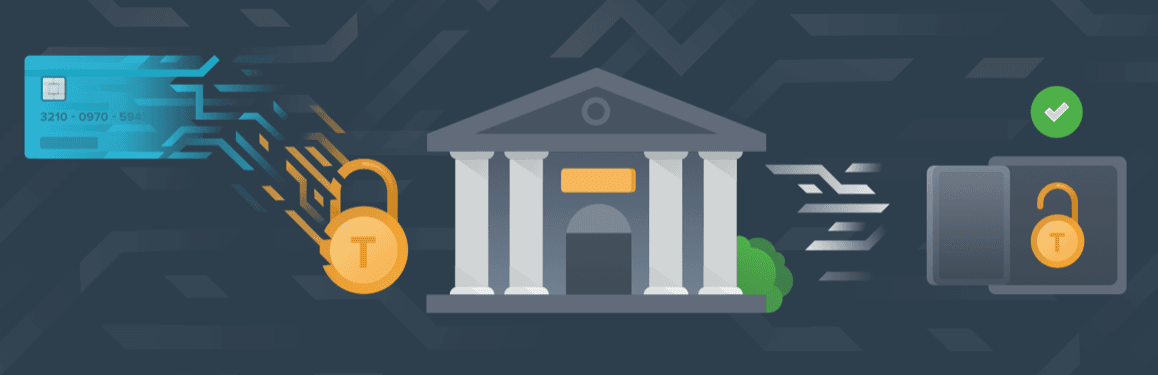
A tokenized card number replaces a physical card number so transactions can be carried out securely. It is generated by the TSP (Token Service Provider), used by the cardholder or merchant, and travels across the payment systems network.

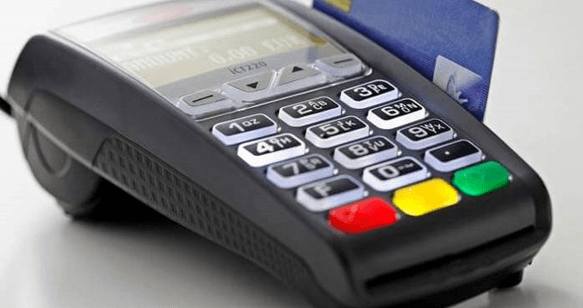
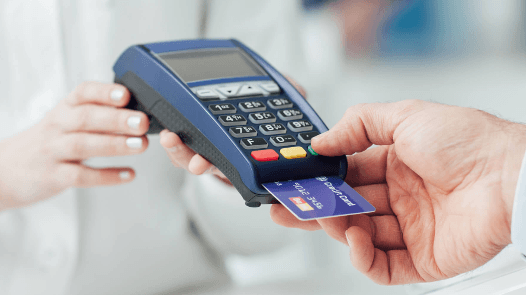
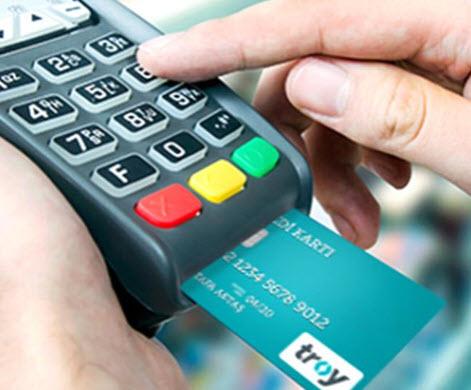
POS terminal used for a card payment transaction

Merchant & POS

What Is a Timeout in Payment Systems?

In the world of payment systems, both the issuer (the cardholder's bank) and the acquirer (the POS/ATM bank) must follow certain rules for card transactions made through a POS terminal or an ATM. Responding to transactions within a certain time is one of these rules.

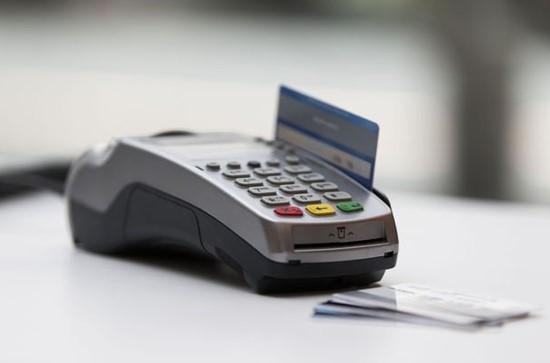
Photo of a POS terminal related to Terminal Action Code settings

Merchant & POS

Terminal Action Code (TAC)

These are codes placed into the terminal software by the acquirer that govern the rules for whether transactions go online or are declined, covering offline approval, offline decline, and online submission due to issuer risk...

Table of Visa and Mastercard fraud codes and descriptions

Security

What Are the Visa and Mastercard Fraud Codes?

Fraud means obtaining unjust gain by carrying out a transaction at a merchant or ATM using someone else's credit card or debit card, causing a loss to the real cardholder, the merchant, or the bank. So what fraud codes do Visa and Mastercard use?

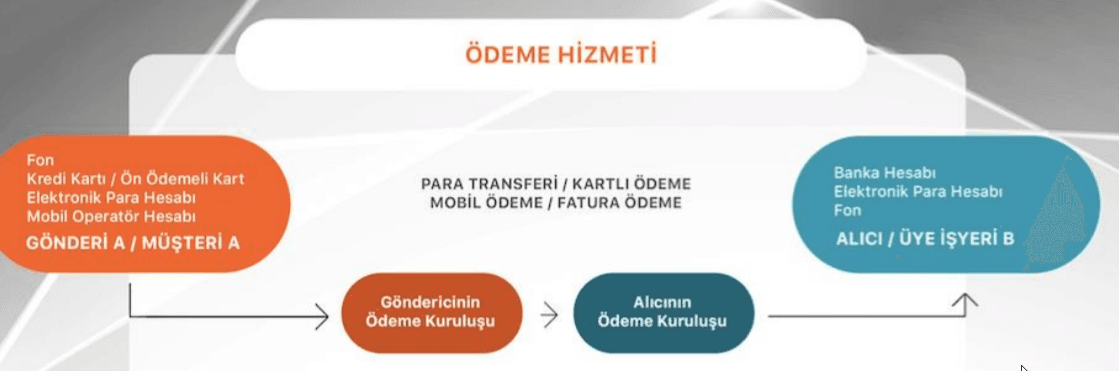
Payment services defined under Law No. 6493

Laws & Regulations

What Is a Payment Service?

A payment service means the services offered under Article 12(1) of Law No. 6493. Essentially, it is delivering funds received from a sender to a recipient.