Skip to content

Search

"expired transaction"

68 articles found

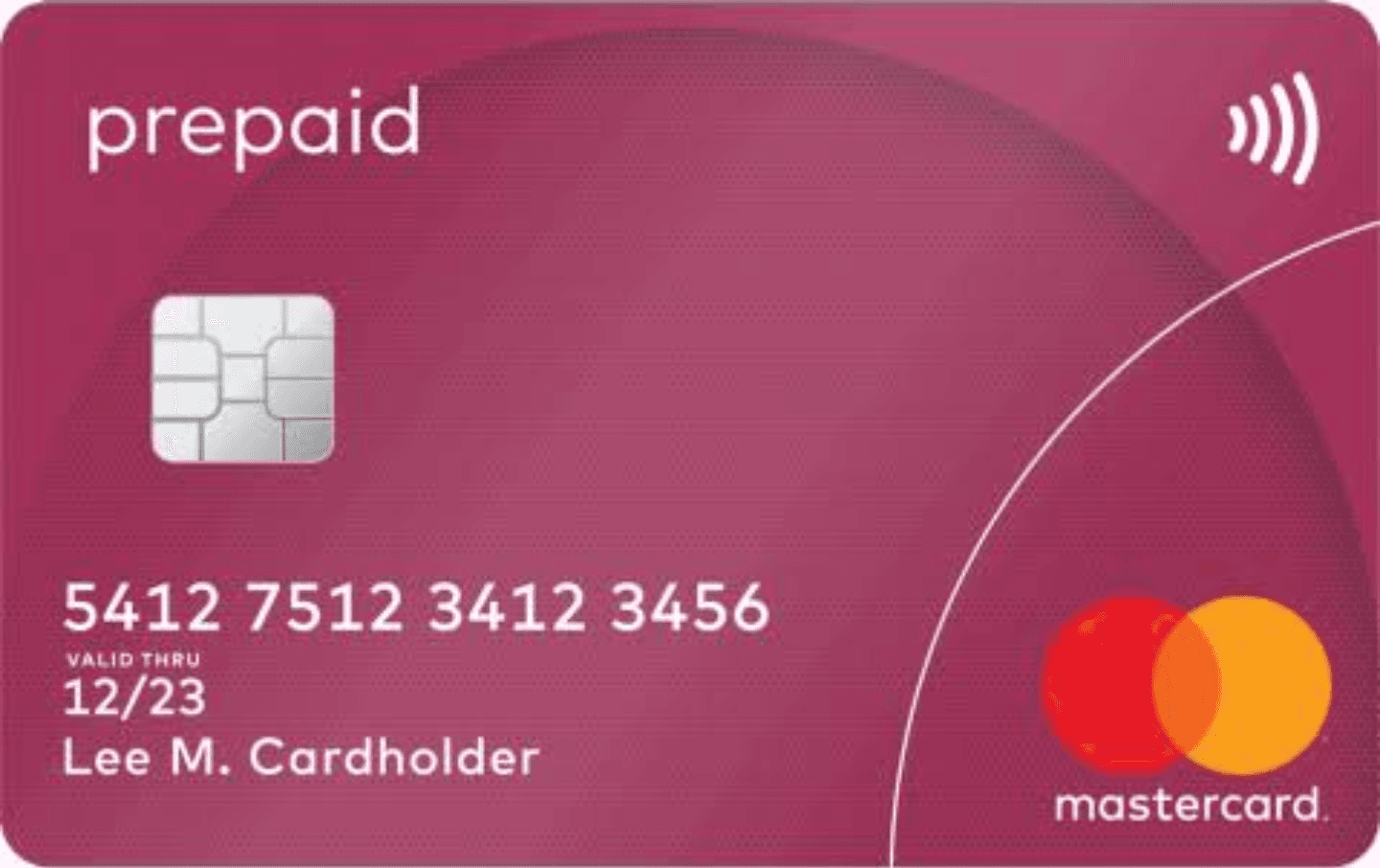
Photo illustrating the use of a prepaid card

Credit Card

Is a Prepaid Card a Credit Card or a Debit Card?

A prepaid card may look like a debit card since it has no predetermined limit and purchases are limited to the amount loaded by the cardholder, but in terms of use and operating logic it differs significantly from both credit and debit cards.

Photo of a POS terminal related to EMV Issuer Action Code settings

Online & Authorization

Issuer Action Code (IAC)

These are codes that communicate the issuer's conditions for approving a transaction online (IAC-Online), for declining it (IAC-Denial), or for declining it when the terminal cannot go online (IAC-Default).

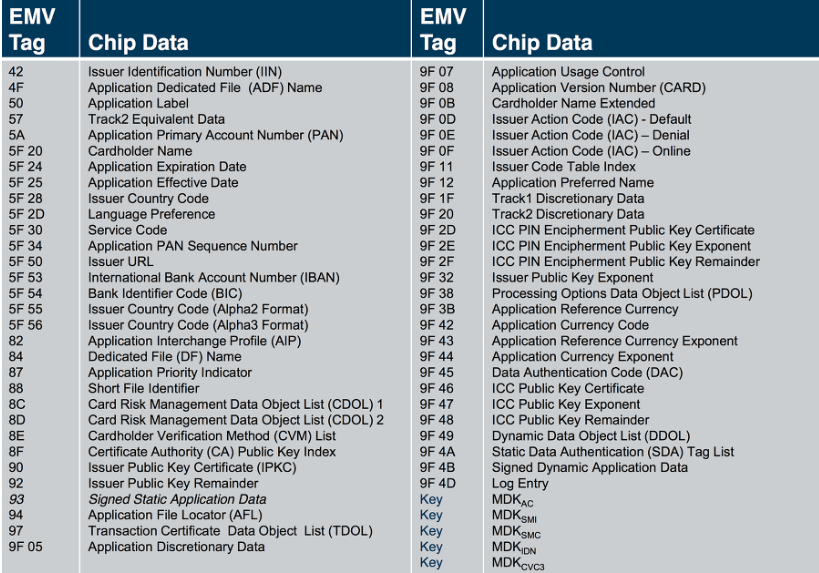
Diagram illustrating the EMV Tag-Length-Value (TLV) data structure used in card transactions

Online & Authorization

What are EMV Tags?

In EMV, data is stored in Tag-Length-Value (TLV) format, and it is carried between the card, the POS terminal, and the authorization system in this same format. This post lists every EMV Tag, its type, and its description.

Illustration representing credit card loyalty points and rewards

Merchant & POS

What are Loyalty Points?

Loyalty points are promotional rewards banks give customers for credit card transactions, tracked on a card/customer basis. Banks charge merchants a commission on POS transactions, and some share part of that commission with cardholders as points.

Diagram of a good faith request exchanged between issuer and acquirer outside the chargeback process

Chargeback

What Is a Good Faith Request?

A good faith review request is a written request that issuers and acquirers send each other to collect on a transaction when the dispute (chargeback) process cannot be run. The requesting party states its grounds.

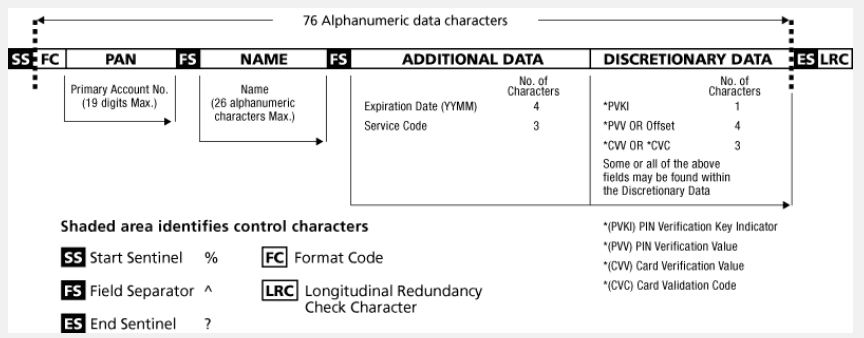
Diagram illustrating the Track 1 data structure and field layout on a magnetic stripe card

Credit Card

What is Track 1?

Track 1 is a special data set encoded on a card's magnetic stripe that contains the card information required for authorization when the card is used physically. It includes the cardholder name, card number, and expiration date.

Diagram illustrating the structure of the AFL (Application File Locator) field on an EMV card

Merchant & POS

What is AFL (Application File Locator)?

AFL (Application File Locator) is the field that shows where on the card the data needed for the authorization transaction is located. AFL is a list of the application data records on the card, and the terminal uses it to read the application data.

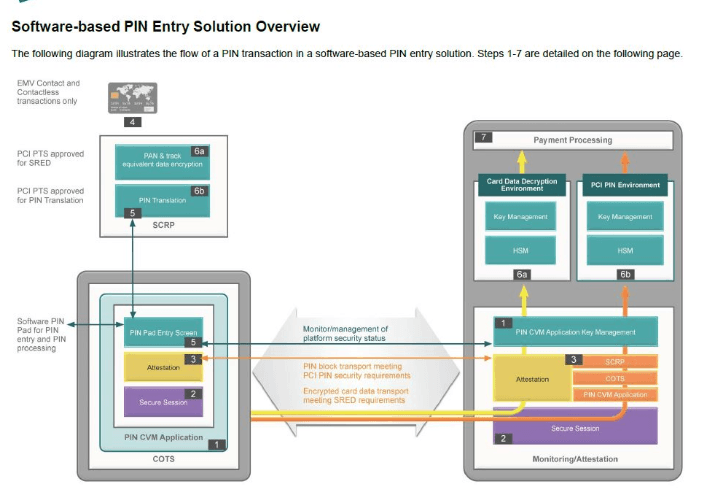
Diagram illustrating the SPoC solution architecture for secure PIN entry on a COTS device

Security

What is Software-based PIN Entry on COTS (SPoC)?

Published by the PCI SSC, Software-based PIN Entry on COTS (SPoC) is a standard that provides a software-based approach for protecting PIN entry on commercial off-the-shelf devices such as smartphones and tablets.

Diagram explaining the PAN Sequence Number (PSN) field on a chip card

Credit Card

What Is PSN (PAN Sequence Number)?

A 2-character field written to the card's chip data that increases by 1 with each card renewal, allowing authorization to distinguish between the old and new card. This means that, theoretically, assuming no other conditions prevent it, a...