Skip to content

Search

"identity verification"

42 articles found

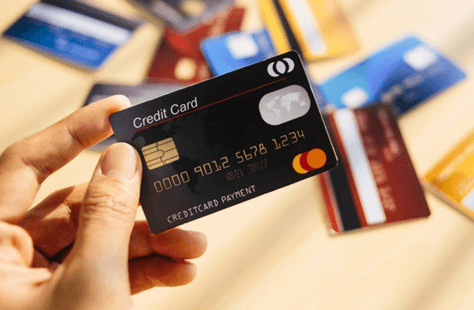
Illustration of a payment card used for online shopping

Debit Card

Can You Shop Online with an ATM Card?

When we think of online shopping, we usually picture paying with a credit card. But can customers without a credit card, only an ATM card, shop online? Of course they can — you don't need a credit card to enjoy the convenience of e-commerce.


Illustration of a phone scam call impersonating a bank

Security

We're Calling From the Bank, Your Account Has Been Compromised...

Fraud cases where scammers pose as bank staff or other institution employees to obtain citizens' banking information have increased significantly recently. Interestingly, the new fraud trend closely mirrors the steps of a genuine banking procedure.

Payment card being checked against a card recovery bulletin of problem cards

Merchant & POS

What Is a Card Recovery Bulletin (Card Protection Bulletin)?

A Card Recovery Bulletin is a list of problem cards (lost, stolen, expired, over-limit, counterfeit or otherwise flagged) published by card schemes such as Visa or MasterCard. It shows whether a card number is listed on the date of purchase.

Hand holding a credit card near an ATM screen used to check card debt

Credit Card

How Can I Check My Credit Card Debt?

In the past, banking transactions could only be carried out at branches, but with the advance of technology, customers can now complete their transactions through many channels without visiting a branch. Checking credit card debt is one of these.

Table listing ISO 8583 Field 25 (POS Condition Code) values

ISO 8583

ISO 8583 Field Descriptions (F25)

F25 - POINT OF SERVICE (POS) CONDITION CODE is the field that defines the condition under which a POS transaction was performed. Possible values include 00 Normal presentment, 01 Customer not present, 02 Unattended terminal, and more.

Diagram showing the four pillars of HCE cloud-based security infrastructure

HCE

What is the HCE Cloud-Based Security Infrastructure Like?

The HCE cloud-based security infrastructure consists of four main pillars: Tokenization, Risk Management, Session Keys, and User/Device Authentication. Tokenization indicates the type of token generation, and there are three different tokenization methods.