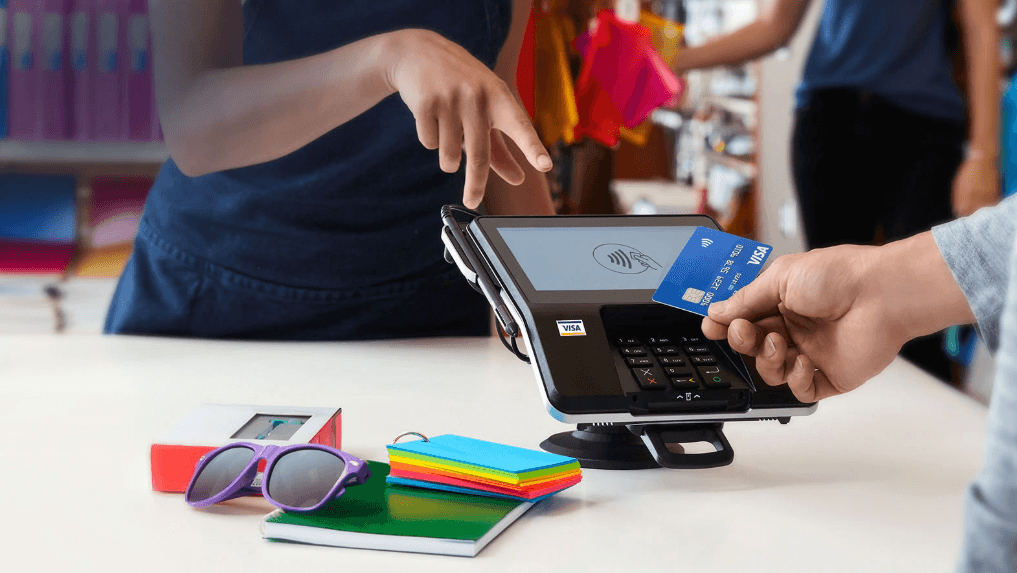
This is the name given to a list of problem cards published by card companies such as Visa or MasterCard, including lost, stolen, expired, over-limit, counterfeit cards or cards flagged for other reasons.
This field shows whether the card number is listed in a Card Recovery Bulletin that was valid for the merchant on the date of purchase.
Merchants need to review this list to determine whether a card is suspicious.
Today, records of problem or illegal credit cards are updated electronically and continuously by card companies for fast and easy merchant access. Card recovery bulletins are still published, but they are mostly used by merchants outside the USA.
Card recovery bulletins are among the early tools used by issuers and merchants to detect and prevent credit card fraud. Despite advances in card security, fraud remains a serious problem for issuers, as shown by high-profile data breaches at retailers, banks and other companies that hold credit card and personal identity data, along with persistently high levels of identity theft. The volume of fraudulent transactions made with counterfeit credit cards reached 3.6 billion dollars in 2015. However, with the introduction of EMV chip cards, fraudulent transactions have dropped by almost half. A merchant's POS authorization message usually contains instructions to capture the card or to request additional information from the cardholder. If a merchant is presented with a card listed in the Card Protection Plan, the merchant cannot complete the transaction, and it is recommended that the card be retained unless doing so poses an immediate physical threat to the merchant.
Historical Development of the Card Recovery Bulletin
Visa and MasterCard initially developed card embossing and micro-security features to protect against fraud. Visa published its first card recovery bulletin in 1988, and this bulletin became a catalyst for continuous advances in credit card monitoring and security. The following year, the company created the Visa Issuers' Clearinghouse Service, a central database for approved and fraudulent credit card applications. In 1995, it added the Visa Address Verification Service so that merchants could confirm a cardholder's billing address. Today, Visa, Mastercard and other card-issuing payment schemes rely on digital tools in most markets to detect counterfeit credit cards and their activity. These newest tools and technologies include chip cards, tokenization, biometrics, payment-enabled mobile devices and encryption.



