Skip to content

Search

"merchant management"

85 articles found

Diagram showing payment systems components managed in-house by a bank

Merchant & POS

What Is 'In-house' in the World of Payment Systems?

In-house is a term widely used in the world of payment systems. It means that payment systems applications are managed end-to-end within the bank's own systems, both in terms of code and process.
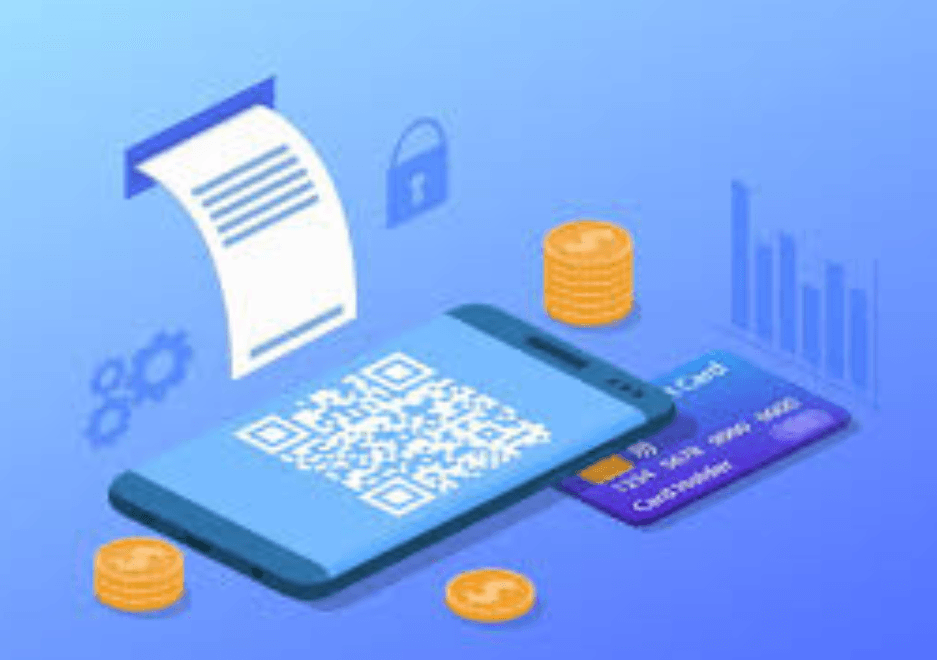
Diagram of a first credential-on-file transaction using stored card data

Security

What is the First Credential-On-File transaction?

The first transaction made after a customer's card data is stored with a merchant is called the First Credential-On-File transaction. BKM expects it to be flagged with the value "C" in switch message field DE48.PDS86, and BRSA draft rules govern how card data may be stored.

Diagram illustrating the EMV Tag-Length-Value (TLV) data structure used in card transactions

Online & Authorization

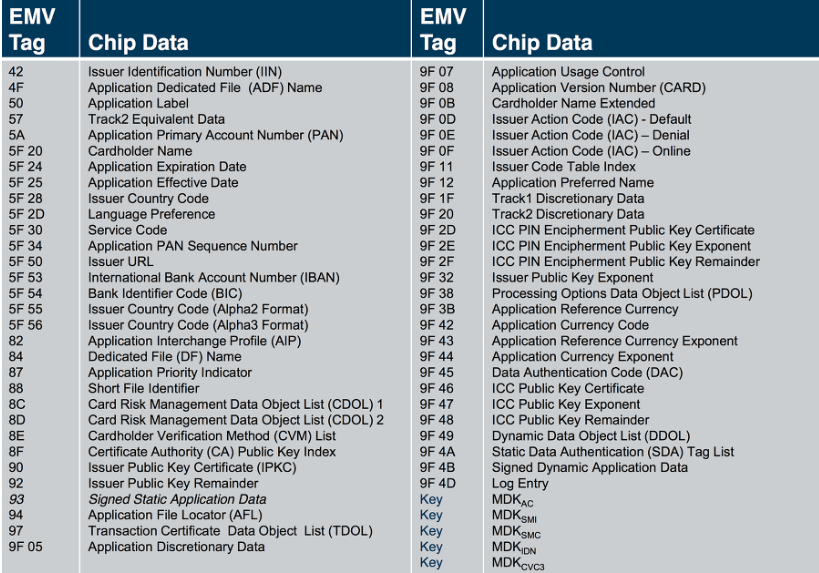
What are EMV Tags?

In EMV, data is stored in Tag-Length-Value (TLV) format, and it is carried between the card, the POS terminal, and the authorization system in this same format. This post lists every EMV Tag, its type, and its description.

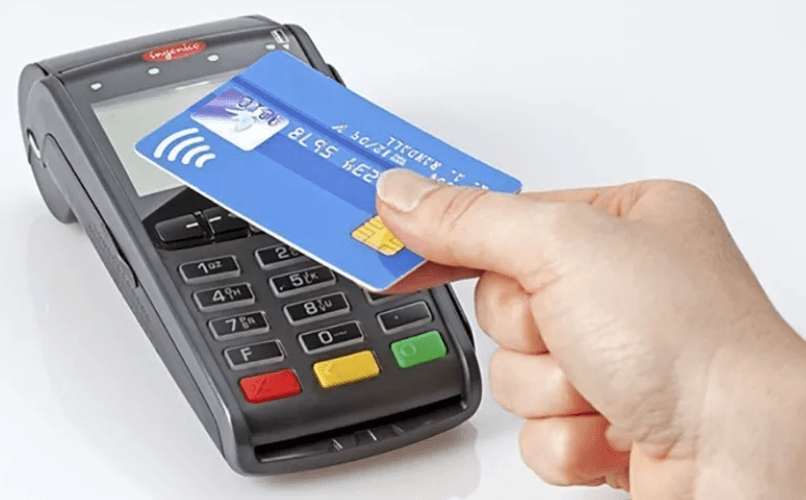
Ingenico POS terminal illustrating POS brand and model

Merchant & POS

What does POS brand and model mean?

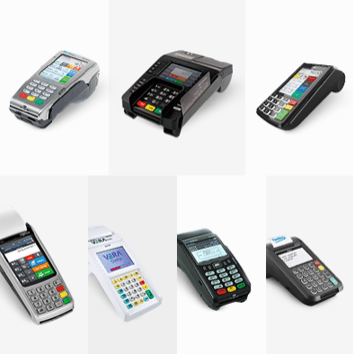
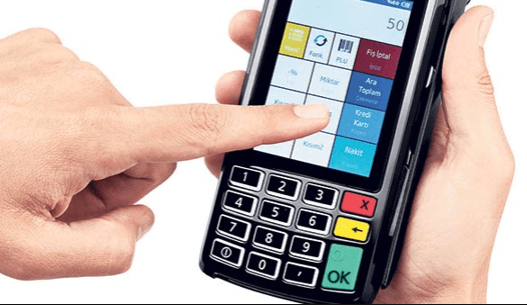
Just like a car, a POS device has a brand and a model, for example Ingenico ICT220 or Ingenico ICT250. Each model differs from the others: some have a contactless reader while others may not, and screens, memory and features vary.

Diagram illustrating the structure of an ISO 8583 message field

ISO 8583

ISO 8583 Field Descriptions (F41)

F41 - CARD ACCEPTOR TERMINAL IDENTIFICATION: the terminal where a transaction took place. An 8-character alphanumeric value generated by the acquirer bank and assigned to the POS, managed as a unique terminal number at the acquirer.