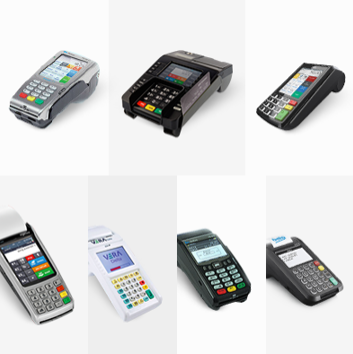
Just like a car, a POS device has a brand and a model.
For example: Ingenico ICT220, Ingenico ICT250, etc.
Each model differs from the others. Some models have a contactless reader, while others may not.
Some models have a color display, while others have a monochrome screen.
Memory specifications may vary from one model to another.
Some POS devices can play video, while others may not have this feature.
In short, just as some cars come with features such as a sunroof, keyless start or an automatic rain sensor while others do not, a similar situation applies to POS brands and models.
Why does it matter?
The brand and model of a POS device determine which transactions the device can perform. Banks develop and test separate software for each model and obtain certification from the card schemes. For this reason, separate software and parameter management is carried out for every POS model a bank uses in the field.
Features considered when choosing a model
- Connection type: Landline, Ethernet, GPRS/4G or Wi-Fi connectivity options matter depending on the merchant's setup.
- Portability: Businesses such as restaurants and couriers prefer mobile models that can be taken to the table or the door.
- Contactless and QR support: Most newer models include a contactless reader and QR code scanning.
- Security certification: Devices that accept PIN entry must hold PCI PTS certification. Models whose certification has expired are gradually withdrawn from the field.
New-generation devices
Today, new-generation POS devices with payment recorder features and smart POS devices running the Android operating system have become widespread. In addition to the payment application, these devices can run other applications the merchant needs.