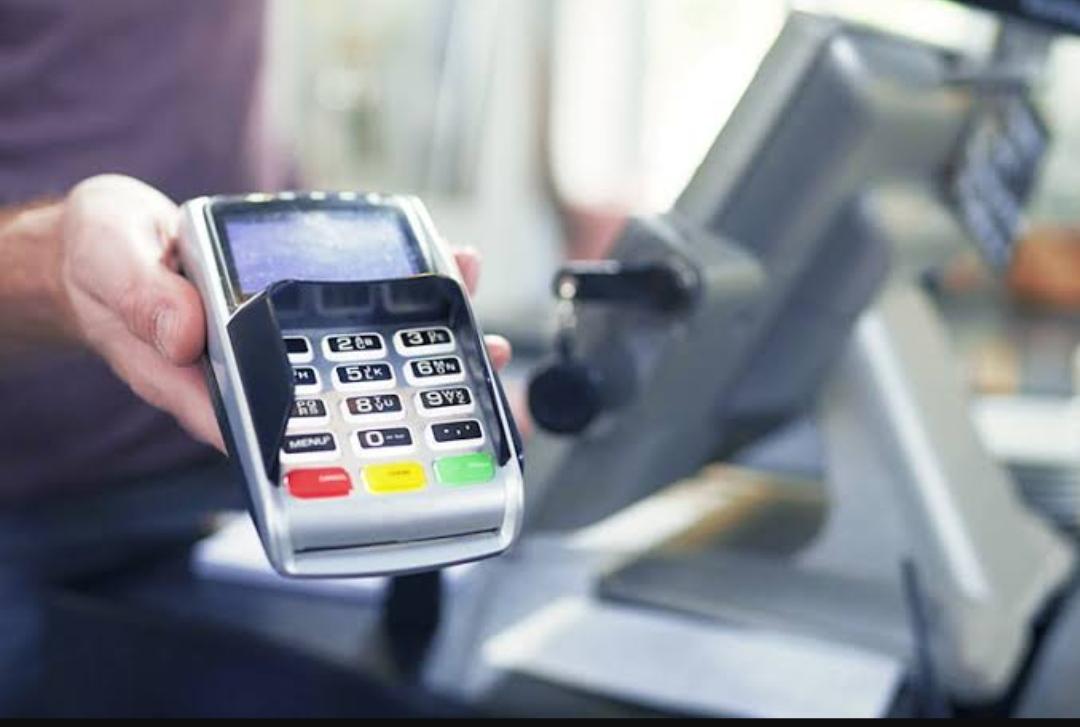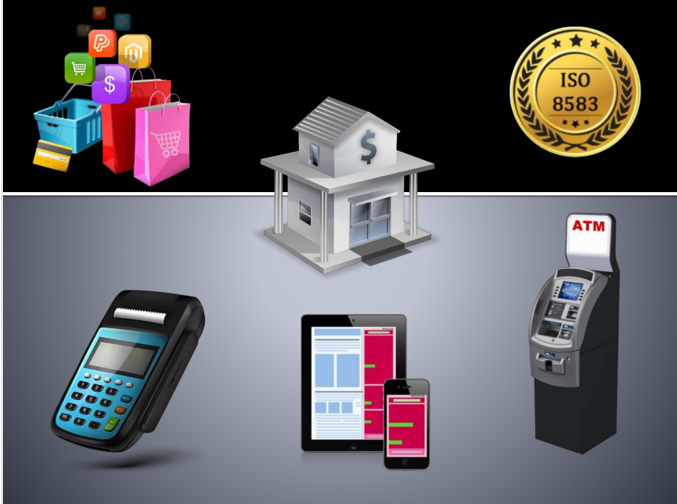
F41—CARD ACCEPTOR TERMINAL IDENTIFICATION: This is the information for the terminal where the transaction was performed. It is an 8-character alphanumeric value. The terminal information is generated by the acquirer bank and assigned to the POS. The terminal number is managed uniquely by the acquirer bank. In the acquirer's system, more than one terminal definition can be registered to the same Terminal ID.
How is the terminal number used?
The terminal number in field F41 indicates which device the transaction was performed from. The acquirer bank uses this information to match the transaction to the correct terminal, and to the merchant and account to which that terminal is linked. A merchant can have more than one POS device. Since each device has its own terminal number, it is possible to track separately which till a transaction was made from.
Relationship with F42
F41 identifies the terminal, while F42 identifies the merchant. A single merchant number can have multiple terminal numbers under it, but a terminal number is linked to only one merchant. Batch (end of day), reporting, and settlement processes are carried out according to this hierarchy.
In which processes is it important?
- Batch (end of day): Batch processes are carried out on a per-terminal basis. Each terminal's batch records are checked separately.
- Parameter management: The parameters, encryption keys, and software updates loaded onto a terminal are managed according to the terminal number.
- Faults and complaints: When an issue occurs on a POS device or a transaction is disputed, the terminal number is used to identify which device the issue originated from.
It appears on the receipt
The terminal number is printed on the POS receipt and the ATM receipt. When a merchant contacts its bank, it specifies which device it is referring to using this number.