Skip to content

Search

"Acquirer"

121 articles found

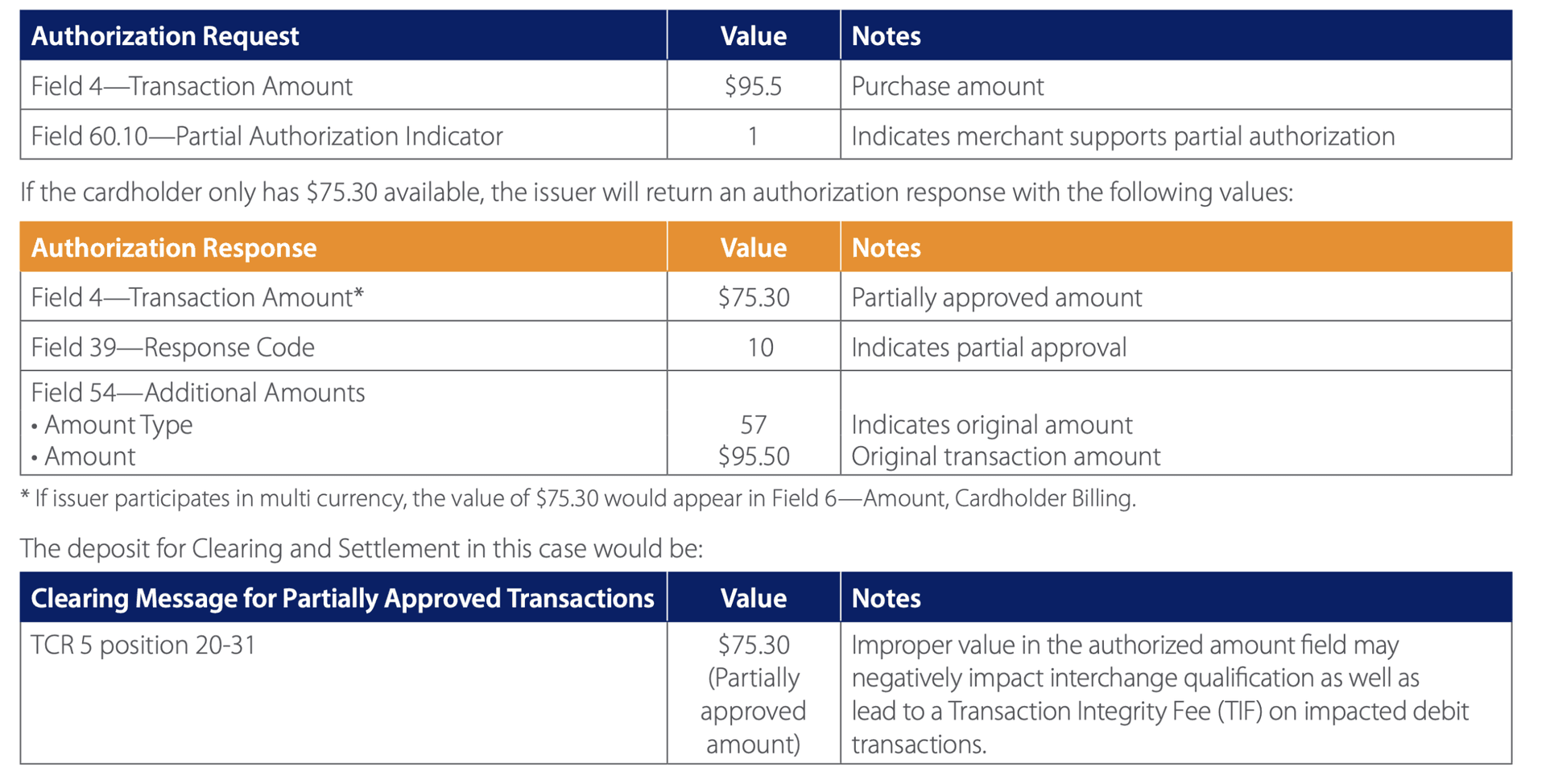
Diagram of a partial authorization where an issuer approves only part of the requested amount

Merchant & POS

What Are the Partial Authorization Requirements for an Acquirer Bank?

Partial authorization lets an issuer approve part of the requested amount when the card lacks the full balance, with the rest paid another way. This post covers the technical, receipt, clearing, reconciliation, merchant and certification requirements for acquirers.

Diagram showing the structure of an ISO 8583 message

ISO 8583

What Fields Make Up ISO 8583?

We covered the ISO 8583 basics in an earlier article. This post explains the ISO 8583 message structure in detail: every ISO 8583 message consists of three main parts - the MTI (Message Type Indicator), the Bitmap, and the Data Elements.

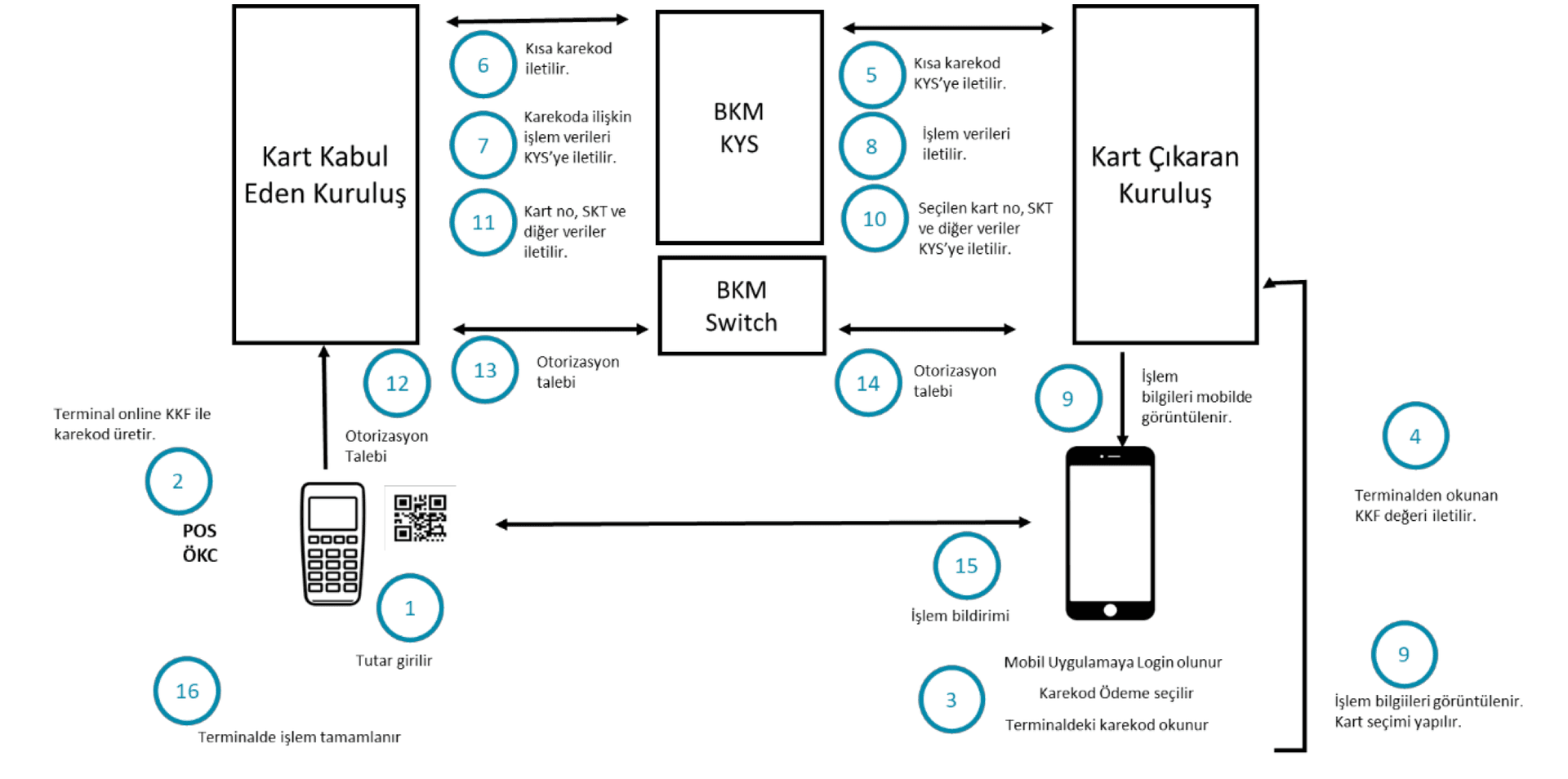
Diagram of the TR QR Code payment flow between cardholder, issuer, BKM and acquirer

Payment Systems

Why Am I Getting an Error When I Try to Pay with a TR QR Code?

In payment or cash withdrawal transactions, the TR QR Code is generated by the POS or ATM. The card issuing bank must build its systems to read and act on this code. Errors usually stem from mishandling the long and short QR code flows, which are explained here.

Diagram illustrating TCR (Transaction Record Component) packets used in payment clearing and settlement files

Payment Systems

What Is TCR (Transaction Record Component)?

TCR stands for Transaction Record Component, the packets that carry transaction information in a clearing system. Transaction types in a clearing file are distinguished by transaction code and usage code values, and this data is sent inside TCR packets.

Diagram illustrating the ISO 8583 field 32 structure

ISO 8583

ISO 8583 Field Descriptions (F32)

F32 - ACQUIRING INSTITUTION IDENTIFICATION CODE: the 11-digit acquirer bank ID. The values it can take for domestic transactions and by card brand include Visa, MasterCard, UnionPay, Discover and JCB formats.

Illustration of a card payment approved for a partial amount

Merchant & POS

What Is Partial Authorization?

Partial Authorization lets an issuer approve part of a transaction instead of declining it when the balance or limit is insufficient. This post covers how it works in ISO 8583, whether it is mandatory, and why it matters for the business.

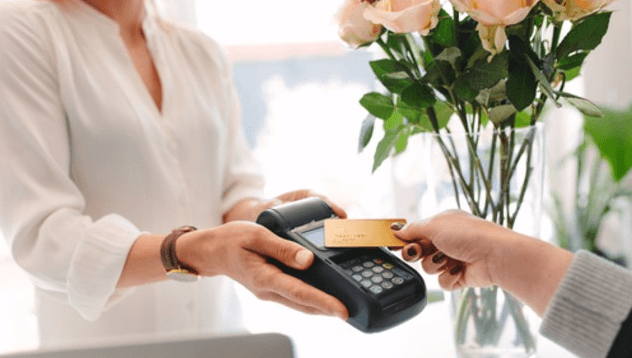
Contactless card payment at an overseas POS terminal that prompts for a PIN after a limit is exceeded

Payment Systems

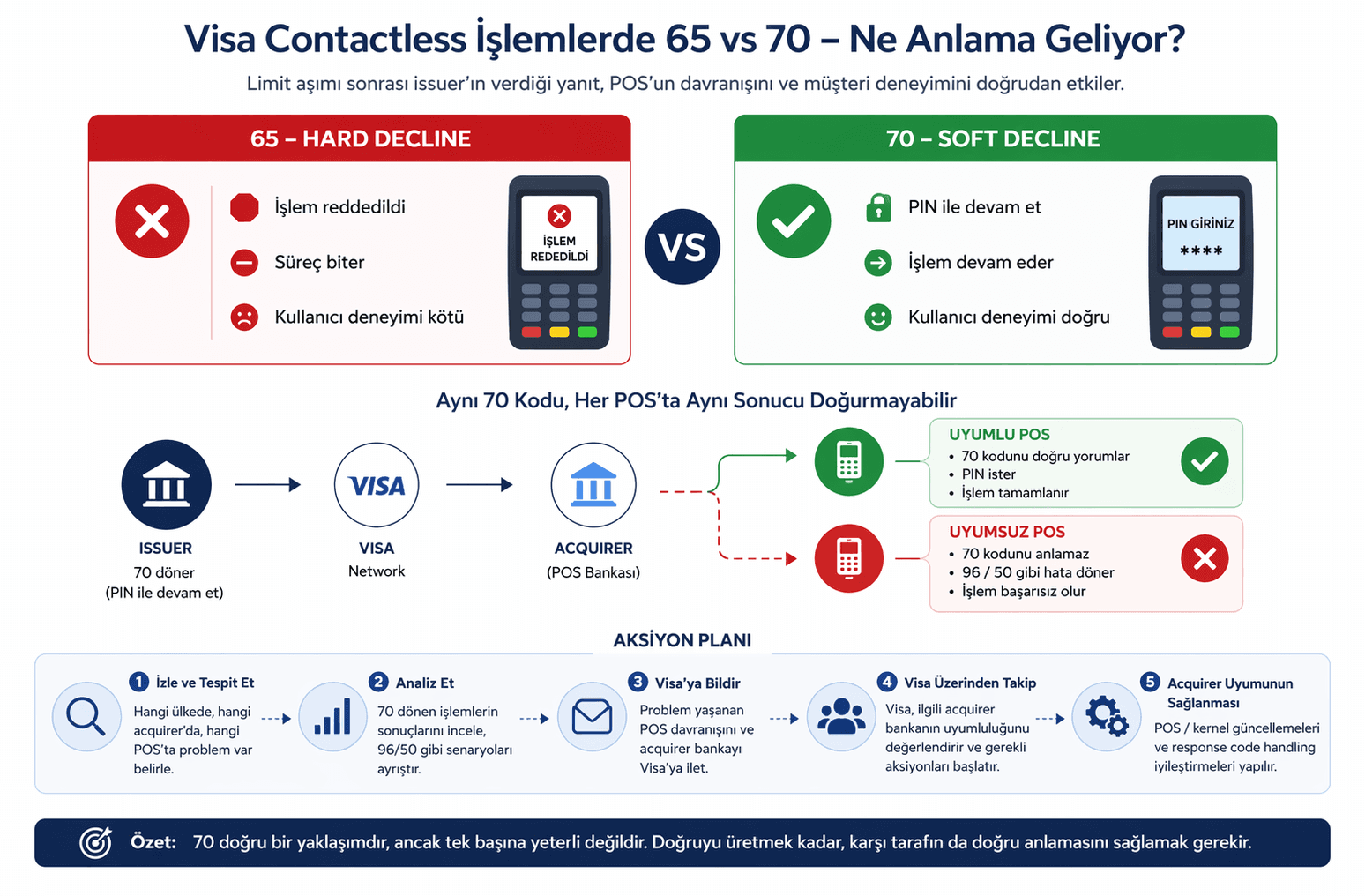
Visa Overseas Contactless Transactions – After Code 70 (Part 2)

After switching to response code 70 for contactless limit-exceeded cases, we found that some overseas POS devices and acquirers did not handle it as expected. This post covers why the problem lies in the ecosystem and how to address it.

Diagram of the online authorization flow for below-CVM-limit contactless transactions

Payment Systems

Domestic Flow Change Made for Below-CVM-Limit Online Contactless Transactions

The domestic authorization flow for below-CVM-limit online contactless transactions has changed. Issuers can now ask the cardholder for a PIN or request card insertion instead of simply approving or declining. This post explains the CVM list and the new DE48 PDS22 and DE39 = 65 message flows.

Diagram explaining ISO 8583 message types 200 and 210

Payment Systems

What Are 200 and 210 Messages Used For?

Message 200 is generated for transactions initiated from POS applications, and the acquiring bank responds with message 210. Learn how 100/110 messages route approvals via the issuing bank, and common rejection reasons.