Skip to content

Search

"Merchant Data"

96 articles found

EMV Application Transaction Counter ATC 9F36

Online & Authorization

Application Transaction Counter (ATC)

The Application Transaction Counter is the number of transactions made with the card so far. It increases by 1 with each transaction and can also be used as a transaction number, making transactions easier to track.


Diagram comparing the 3D, 3D Pay, and 3D Pay Hosting payment models

Payment Systems

What are the 3D Secure Payment Models?

In card payment transactions made via a physical POS device, entering the card's PIN keeps the transaction secure, while in virtual POS transactions, security is provided through the 3D Secure flow. Are 3D Secure payment methods standardized? There are 3 different 3D Secure models.

Diagram illustrating the SPoC solution architecture for secure PIN entry on a COTS device

Security

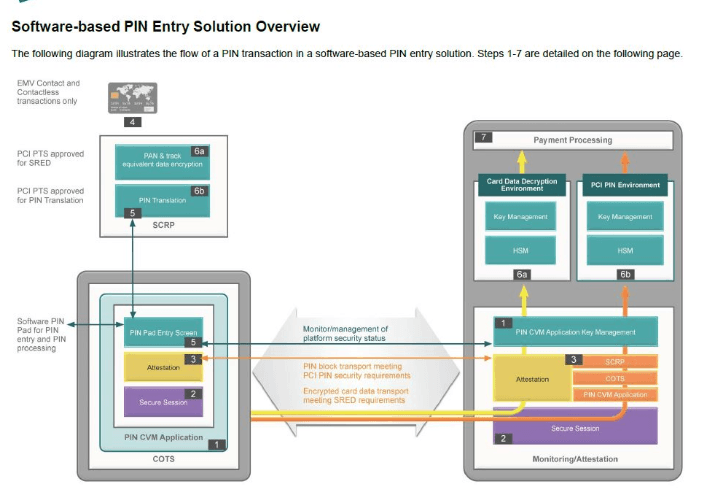
What is Software-based PIN Entry on COTS (SPoC)?

Published by the PCI SSC, Software-based PIN Entry on COTS (SPoC) is a standard that provides a software-based approach for protecting PIN entry on commercial off-the-shelf devices such as smartphones and tablets.

Illustration of a co-branded credit card combining a bank and a commercial brand

Credit Card

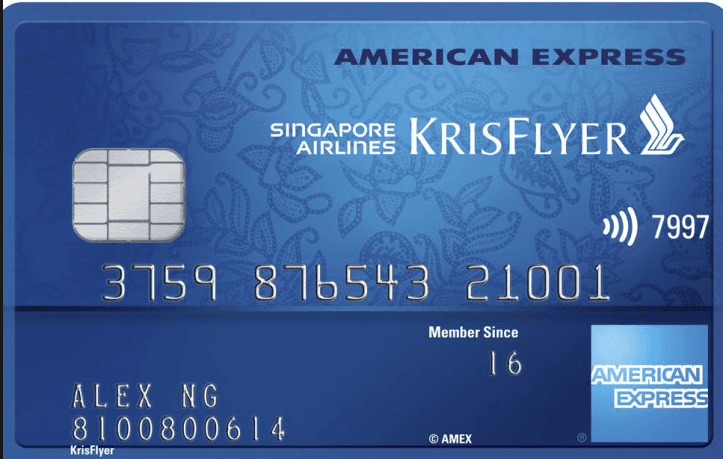
What is a Co-Branded Card?

A co-branded card is a card offered by two or more organizations: one the issuing financial institution, the other a non-financial commercial brand (there may be more than one), such as an airline, hotel, or retail chain.

PCI Security Standards Council overview

Security

What is PCI SSC?

It is an organization aimed at developing, managing, teaching, and raising awareness of security standards in the Card Payments Industry. The PCI Security Standards Council is also an open global forum for data security standards.

Payment card with an EMV chip

Clearing

What is Chip Condition Code?

Chip Condition Code is a code carried in the F60 (Additional Data) DE14 field during clearing that shows the chip read status. The possible values and their descriptions are listed below.

Diagram illustrating card fraud and forgery in card payments

Security

What Is Forgery in Card Payments?

Forgery in card payments means transactions made with card details without the cardholder's knowledge, or purchases with counterfeit or stolen cards. Merchants cannot eliminate fraud and chargeback risk, but they should aim to reduce it to reasonable levels.

Illustration representing the DCI debit credit indicator distinguishing card types in a transaction

Credit Card

What Is DCI (Debit/Credit Indicator)?

DCI (Debit/Credit Indicator) is a flag that shows whether a transaction was made with a credit card or a debit card. With the arrival of prepaid cards, it began to be used as DCPI (Debit/Credit/Prepaid Indicator). Is DCI sent in the authorization message?

Diagram showing how card transaction data flows through the ISO 8583 messaging standard

Merchant & POS

What is ISO 8583?

Introduction: When a card (credit card/debit card/prepaid card) is used at an ATM or POS, data must be carried securely between systems. For example, in a store sale, the POS initiates the transaction, which must reach the cardholder's bank intact.