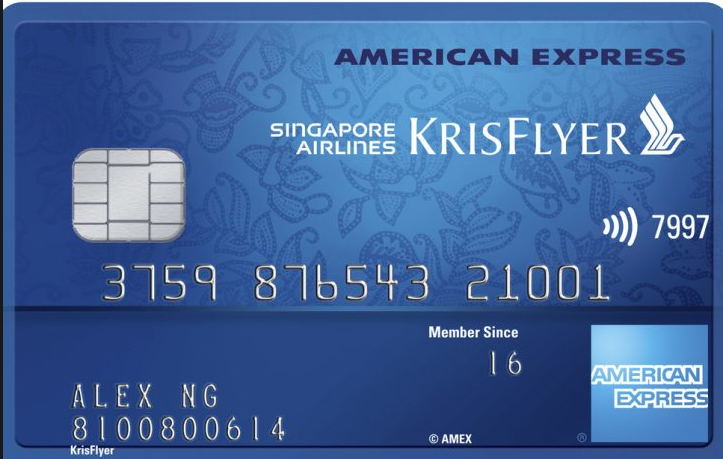
A co-branded card can be described as a card offered by two or more organizations, one being the financial institution that issues the card and the other a non-financial commercial brand (there can be more than one). Airlines, hotels, and retail chains are examples of non-financial organizations.
The co-brand partner commercial company is not involved in information related to the card. Which customers receive a credit card and with what limit is the responsibility of the issuing bank.
Determining credit card information and limits rests with the issuing bank, just as with standard credit cards. Responsibility for statement generation after card use, payment of the statement balance, unpaid amounts falling into arrears, replacement for loss/theft, PIN processes, and so on, rests with the issuing bank, just as with standard credit cards.
How is a co-branded card relationship established?
Thanks to co-branded credit cards, the card-issuing bank gains the privilege of accessing the commercial company's large customer base. By reaching a large number of customers, banks can expand the customers within their own portfolio and enter into direct agreements for any financial inquiry. (There have been changes regarding access under the Turkish Personal Data Protection Law (KVKK). This is a topic for a separate article.)
Co-branded cards should not be confused with private-label cards, a type of credit card feature that customers can use only at a single merchant.
Co-branded credit cards are not valid only for transactions with the financial institution; they can also be used anywhere any credit card is accepted, including in other sectors.
What are the advantages of co-branded cards?
Although the advantages of co-branded cards vary depending on the card type and the agreement made with the company, they generally provide the following advantages:
- Instant discount at the point of transaction
- The opportunity to earn rewards (points/bonus) at different rates
- The opportunity to earn extra points compared to regular cards
- The opportunity to use earned points at a higher value (for example, three times the value) when redeemed with the partner brand/sector
- Lost/stolen card insurance
- Personal accident insurance
- Gift vouchers
- The ability to make installment purchases.
Are co-branded cards used in Turkey?
Our country is very advanced in credit card technology and usage. For this reason, co-branded cards have been used in our country since 1997. Multi-branded (multiple co-branded) cards have been used since 1999.
Although there are many examples in our country, Miles & Smiles (a partnership between Garanti Bank and Turkish Airlines), Yapi Kredi Adios, and the Alternatif Bank Diners Club card can be given as examples.



