Skip to content

Search

"Merchant Services"

135 articles found

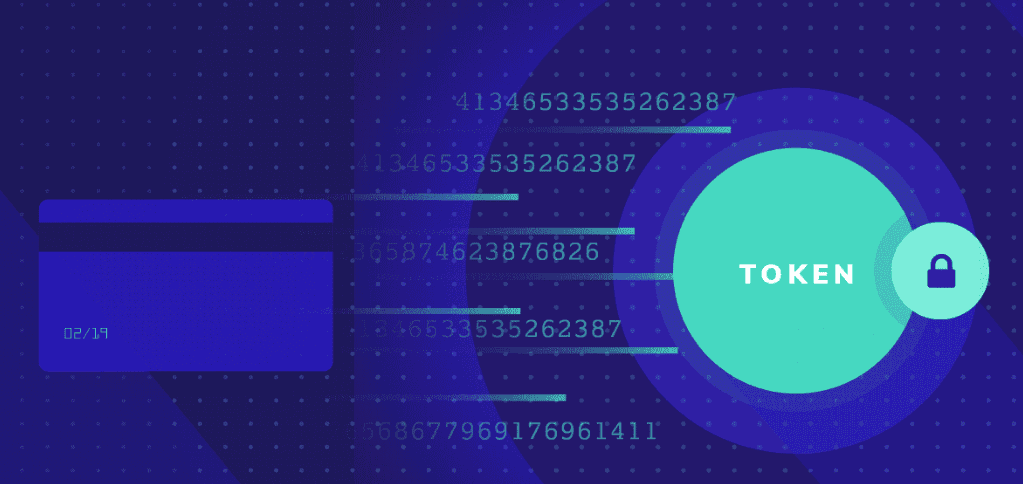
Diagram illustrating the properties and lifecycle of a tokenized card number as it moves through the payment network

HCE

What Are the Characteristics of a Tokenized Card Number?

A tokenized card number replaces a physical card number so transactions can be carried out securely. It is generated by the TSP (Token Service Provider), used by the cardholder or merchant, and travels across the payment systems network.

Diagram illustrating card fraud and forgery in card payments

Security

What Is Forgery in Card Payments?

Forgery in card payments means transactions made with card details without the cardholder's knowledge, or purchases with counterfeit or stolen cards. Merchants cannot eliminate fraud and chargeback risk, but they should aim to reduce it to reasonable levels.

Illustration of the compliance process between merchant bank and issuer in card payments

Chargeback

What Is Compliance (Regulatory Compliance)?

Compliance means adherence to card scheme rules. Outside chargebacks, it is how a bank that loses money because card payment organization rules were broken recovers that amount from the party that caused the loss.

Illustration of the benefits credit cards provide to merchants

Credit Card

What benefits do credit cards provide to merchants?

At first glance, a credit card seems like a product offered for cardholders' use and benefit, but it also provides significant benefits to merchants, from faster cash flow to collection security and new customers.

Illustration of a multicurrency POS terminal supporting multiple foreign currencies

Merchant & POS

What Is a MultiCurrency POS?

Multicurrency POS refers to POS devices that can process transactions in foreign currencies (USD, EUR, GBP, etc.) in addition to Turkish Lira. Merchants using a MultiCurrency POS can process transactions in different currencies for international cardholders.

Diagram explaining how a pre-authorization transaction works on a credit card

Merchant & POS

What Is a Pre-Authorization Transaction?

An operation that allows a credit card's limit to be blocked for a period, due to the nature of the product or service sold. Preferred mainly by companies in travel, tourism, and car rental.

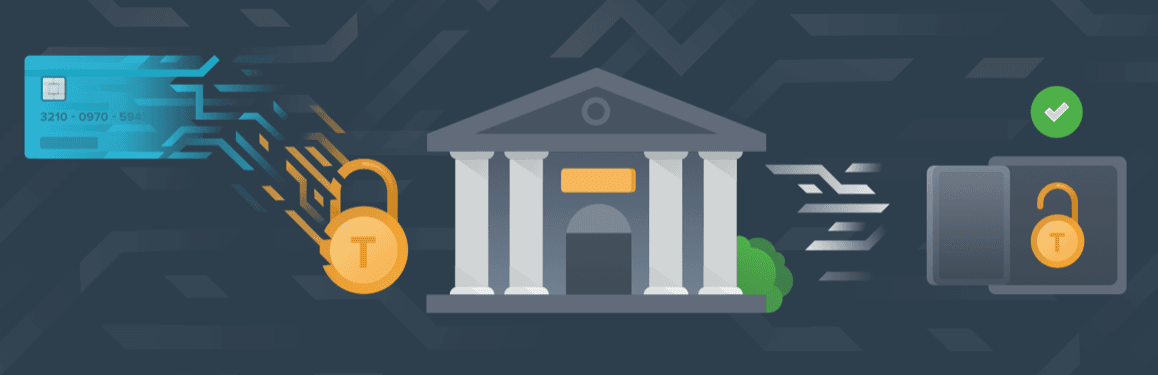
Diagram illustrating the tokenization and detokenization process for card payments

HCE

What Are Tokenization and Detokenization?

Tokenization generates secure data from a credit card number, using specific algorithms, for use during authorization. In CNP transactions, it removes the risk of storing or compromising the original card number.

Diagram illustrating BKM TechPOS shared POS infrastructure

Merchant & POS

What is BKM TechPOS?

BKM TechPOS is an infrastructure through which card acquirers and POS/cash register manufacturers can interoperate via BKM, letting all participating banks provide card acceptance services on a single device.

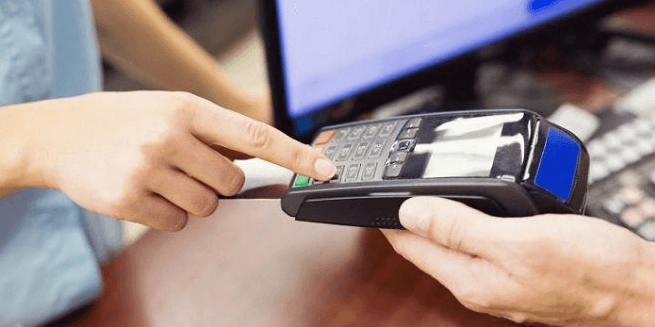
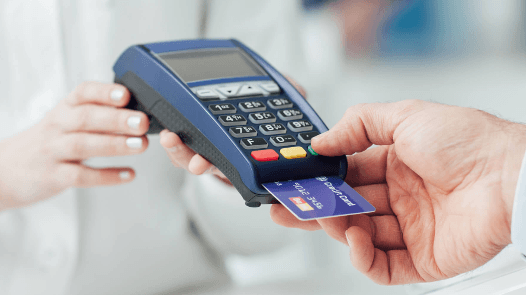
Contactless card payment at a POS terminal after the limit increase to 250 TL

Merchant & POS

Contactless transaction limit raised to 250 TL

Current information: this article describes the limit in force at the time of publication. To reduce the risk of the coronavirus (Covid-19) spreading, the contactless transaction limit on credit and debit cards was raised to 250 lira.

Illustration of a surcharge fee added to a card payment transaction

Merchant & POS

What is a surcharge?

A surcharge is a fee, charge, or tax added to the cost of a good or service. In payment systems, it refers to adding the merchant's transaction commission to the cash sale amount on credit card transactions, resulting in a higher charge.

Illustration representing Merchant Category Code classification for card transactions

Merchant & POS

What Does a Restricted/Prohibited MCC Mean?

The MCC code, or Merchant Category Code, is a 4-digit code used to classify merchants. Some MCC codes are restricted or prohibited, and POS terminals or card transactions may be blocked when such a code is used.