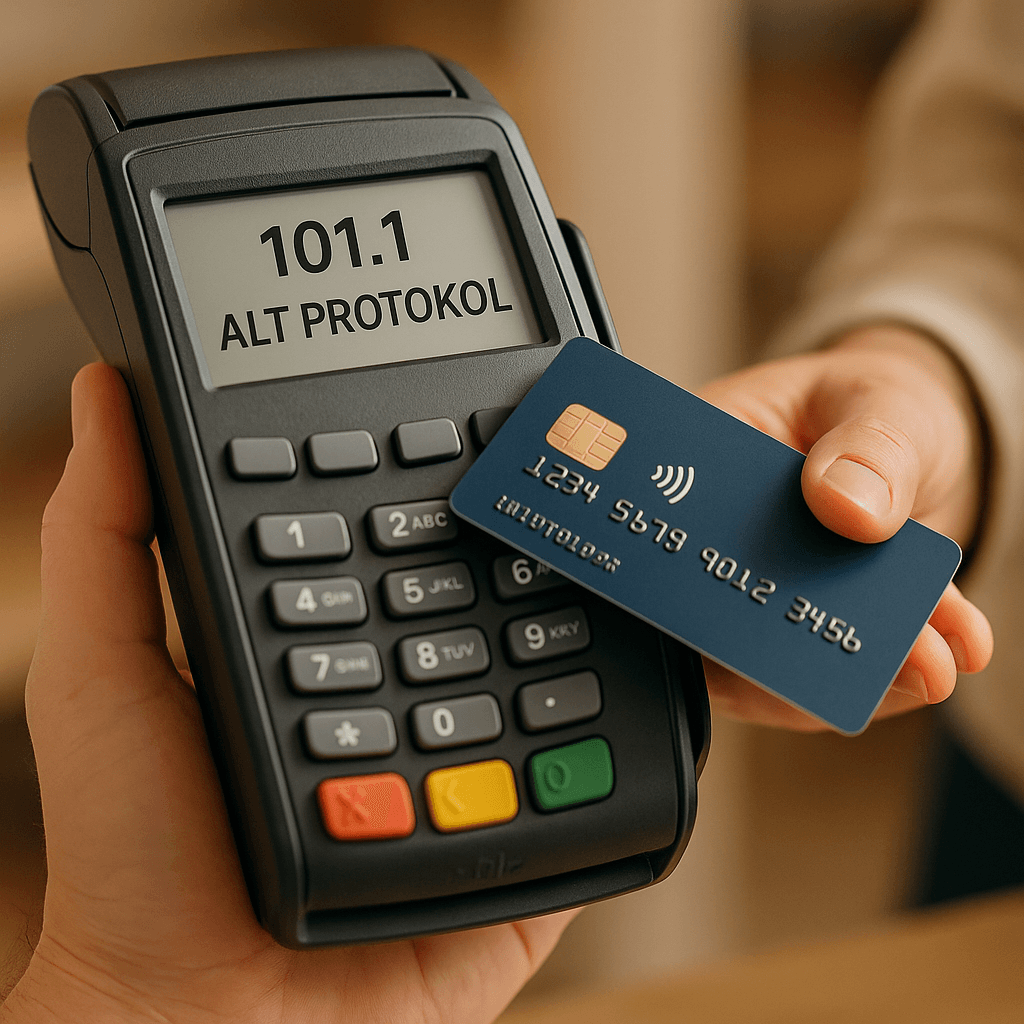
The contactless transaction limit on credit and debit cards has been raised to 250 lira to reduce the risk of the coronavirus (Covid-19) spreading.
Soner Canko, General Manager of the Interbank Card Center (BKM), announced that, due to heavy demand, the PIN-free limit for contactless payments has been raised to 250 lira starting March 18.
What was the PIN-free transaction limit?
The limit for contactless payments that can be made without a PIN had been 120 TL since August 1, 2019.
How has the contactless transaction limit changed in recent years?
The contactless transaction limit, which was 90 TL until August 2019, was raised to 120 TL in August 2019. As of March 18, 2020, it was raised to 250 TL. This is a sign of the trust in contactless transactions and of how much cardholders like them. Naturally, this also drives growth in contactless transaction volume.
In an assessment of February card payments given to an AA reporter, BKM General Manager Soner Canko stated that a total of 84.9 billion lira in payments was made with debit and credit cards in February. He said that 72 billion lira of this was paid with credit cards and 12.9 billion lira with debit cards.
Pointing out that, partly because February 2020 had 29 days, growth in debit card payments was 52 percent compared with the same period of the previous year, Canko noted that the figure for credit card payments was 25 percent.
Canko reported that total card payments increased by 29 percent compared with the same period last year.
Soner Canko said that contactless payments, which let cardholders pay quickly and easily, continue to spread rapidly.
Referring to the World Health Organization (WHO) warning, in these extraordinary days, about viruses and bacteria that can spread through banknotes and coins passed from hand to hand, Canko said that the WHO's recommendation to wash hands after handling money and to use contactless cards where possible highlights the hygiene advantage of contactless payments, made with contactless cards and compatible smartphones, in addition to their speed and ease.
Canko added that, accordingly, contactless usage in February tripled compared with the same period of 2019.
Noting that 15 percent of in-store payments in February, that is, one in every 7 card payments, were made contactless, Canko said: “The number of daily contactless payments has exceeded 3 million. These figures show that, with the benefits they provide, contactless payments have become an indispensable payment method in our lives and are spreading rapidly in every area of life.”
BKM General Manager Canko said that, when credit cards and debit and prepaid cards are examined separately, 38.9 million credit cards, or 55 percent, and a total of 36.3 million debit and prepaid cards, or 22 percent, are compatible with contactless technology.
Noting that the total number of cards compatible with contactless technology has passed 75 million, Canko said: “One in every 2 credit cards in wallets has a contactless feature.”
Canko stated that the rapidly growing contactless share in card ownership continues to grow quickly at the point of acceptance as well.
Explaining that the contactless transformation is also continuing rapidly on the merchant side, and that today 2 out of every 3 terminals can accept contactless payments, Canko said that the merchants with the most contactless transactions are, in order, in the grocery, food service, transportation and fuel sectors.
Soner Canko emphasized that applications that let users make contactless payments with their mobile phones are being used more every day.
Noting that the number of mobile contactless payment transactions in February rose 2.5 times compared with the same period last year to 376 thousand, Canko said the following:
“In the coming period, mobile contactless payments are expected to become much more widespread as user habits grow. With the recent agenda, the number of contactless transactions reached 31 million in the first 11 days of March. These 31 million contactless payment transactions in that 11-day period represent a 23 percent increase compared with the same period of the previous month. Considering that the increase in total card payments in this period was 12 percent, we are talking about very significant growth. Based on all this, we should say that contactless payments, with the advantage of being hygienic in addition to providing speed and ease, are rapidly moving toward becoming an indispensable payment instrument in every area of life. According to these figures from a short period, our citizens' interest in card payments has increased.”
Why should we pay contactless?
Contactless payments stand out not only for being fast and secure but also for being hygienic, given the environment we are in. While cash used in shopping passes from hand to hand and increases the risk of spreading viruses and bacteria, with contactless cards you can make your payment without handing the card to the cashier. Cards that do not pass from hand to hand therefore also prevent the transmission of viruses and bacteria.”