Skip to content

Search

"card bank"

536 articles found

Diagram showing how an international card transaction is processed

Online & Authorization

How does the international transaction flow work?

When a card transaction is made abroad, banks usually calculate the cost from a percentage commission, a fixed commission, and an exchange rate margin. The flow starts when the customer requests a cash withdrawal at a foreign ATM.
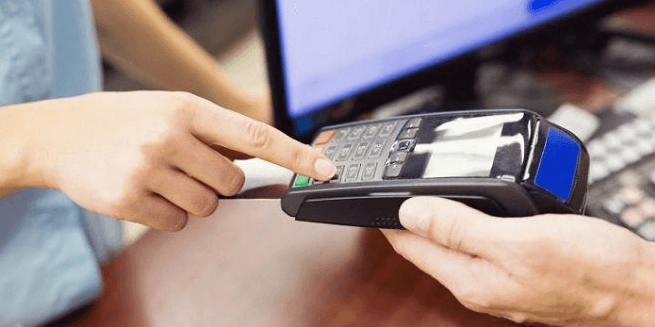
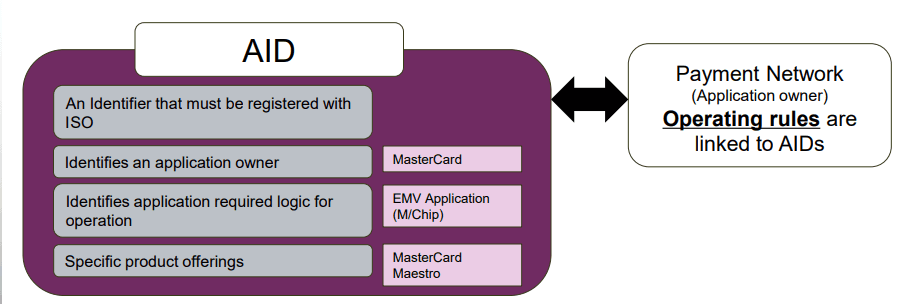
Diagram showing how an open authorization moves to a card statement after batch close and clearing

Credit Card

What Is an Open Authorization?

In credit card transactions made through a POS, receiving approval alone is not enough for the transaction to post to the card's statement period; settlement must also take place. The settlement period, known as the open-authorization waiting time, varies by transaction type.

Illustration showing how an Application Identifier (AID) is used in a chip card transaction

EMV

What is an Application Identifier (AID)?

The AID tells the terminal which applications are present on a chip during a POS or ATM transaction. What does the AID do? It lets the terminal determine whether it supports an application on the chip. In Tag 9F06, it is 5-16 digits long.

Dictionary and glossary book representing payment systems terminology

Merchant & POS

Terms that should be in your payment systems glossary

Below are the definitions of the cornerstone terms of payment systems, as established by the Banks Association of Turkey (TBB): debit card, credit card, merchant, cardholder, and more.

Diagram showing the EMV chip card static data authentication (SDA) process

EMV

What is a Data Authentication Code (DAC)?

DAC is the abbreviation for Data Authentication Code. It is a piece of data assigned by the issuer and held by the terminal during the Signed Static Application Data verification process.

Credit card representing a periodic limit increase

Credit Card

What Is a Periodic Credit Limit Increase?

As credit card use grows, so does the importance of raising your limit to keep pace with inflation. Learn how periodic limit increases work, who qualifies, and the legal caps that apply.

Shared ATM usage between different banks

ATM

What is a Shared ATM?

A shared ATM lets a customer of one bank use another bank's ATM for card or credit card transactions. Within customer limits, shared ATMs allow deposits, withdrawals, balance inquiries, and credit card debt inquiry/payment.

Diagram illustrating a co-badge card issued under two payment schemes

Credit Card

What is a Co-Badge Card?

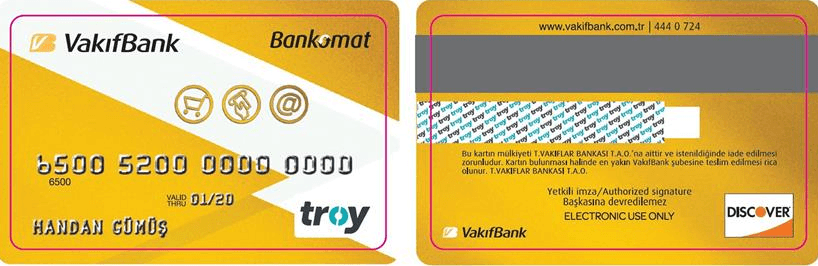
A co-badge card is issued under two or more payment schemes (Mastercard, Troy, Diners Club, Discover, etc.). If a bank's product supports multiple schemes, customers can request a card carrying two or more payment brands.

Illustration of a co-branded credit card combining a bank and a commercial brand

Credit Card

What is a Co-Branded Card?

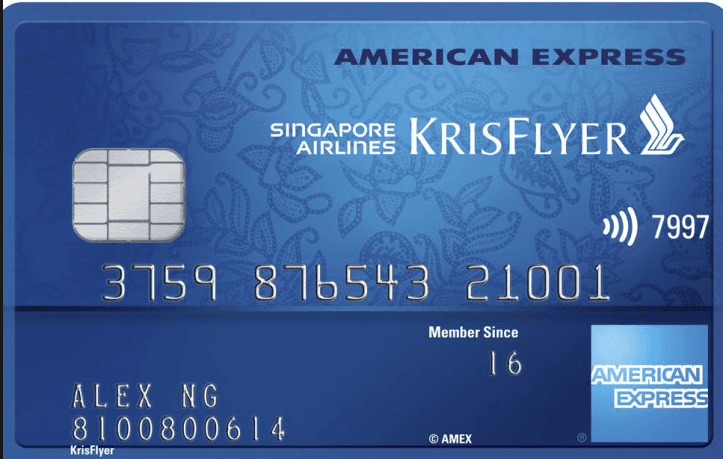
A co-branded card is a card offered by two or more organizations: one the issuing financial institution, the other a non-financial commercial brand (there may be more than one), such as an airline, hotel, or retail chain.

ATM machine card slot

ATM

Why Does an ATM Swallow Your Card?

ATMs make many banking transactions faster and easier, but like any electronic device they can run into trouble, including swallowing your card. Here is why it happens and what to do.

Credit card limit increase criteria

Credit Card

What Is a Credit Card Limit Increase?

A credit card is a loan granted by the bank, so it must follow certain criteria and stay within a limit. As card usage changes over time, the need for a higher limit can arise.