Skip to content

Search

"card numbers"

296 articles found

Diagram of a first credential-on-file transaction using stored card data

Security

What is the First Credential-On-File transaction?

The first transaction made after a customer's card data is stored with a merchant is called the First Credential-On-File transaction. BKM expects it to be flagged with the value "C" in switch message field DE48.PDS86, and BRSA draft rules govern how card data may be stored.
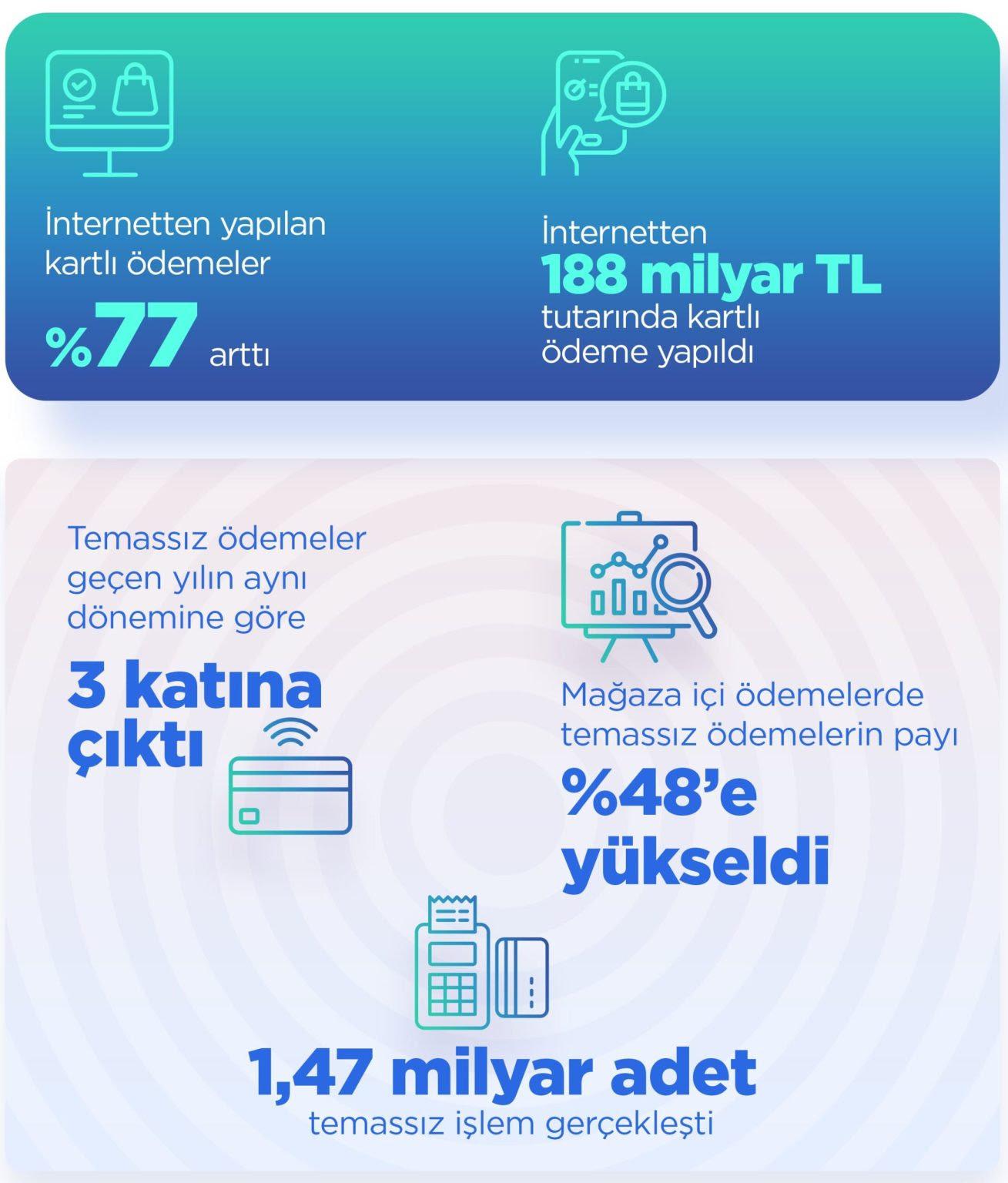
Infographic of BKM card payment statistics for the first six months of 2021

Payment Systems

BKM Announces Data for the First 6 Months of 2021

The Interbank Card Center (BKM) shared its data for the first 6 months of 2021: card payments totaled TRY 709 billion, online card payments reached TRY 188 billion, and the number of contactless payments tripled year on year.

ISO 8583 field 35 Track 2 data

ISO 8583

ISO 8583 Field Descriptions (F35)

The card's Track 2 data is carried in this field. Track 2 data contains information such as the card number, expiry date and service code.

Diagram illustrating the types of chargeback disputes in card payments

Chargeback

What are the chargeback dispute types?

A chargeback is a dispute raised against a card transaction when the cardholder did not make it or does not recall it. The dispute types vary depending on the situation; let's look at them.

Diagram comparing the 3D, 3D Pay, and 3D Pay Hosting payment models

Payment Systems

What are the 3D Secure Payment Models?

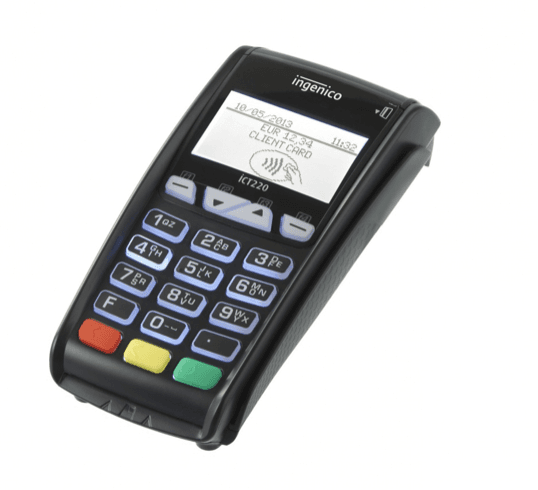
In card payment transactions made via a physical POS device, entering the card's PIN keeps the transaction secure, while in virtual POS transactions, security is provided through the 3D Secure flow. Are 3D Secure payment methods standardized? There are 3 different 3D Secure models.

Illustration representing a mail order card payment transaction

Merchant & POS

What is a Mail Order transaction?

Mail Order (Mail Order/Telephone Order) is a transaction made by selecting the Mail Order option on a POS or through the virtual POS interface, entering the card number, expiration date, and CVV2. It is typically used when the cardholder is not present.

Old mechanical credit card imprinter machine used to transfer embossed card details onto a sales slip

Merchant & POS

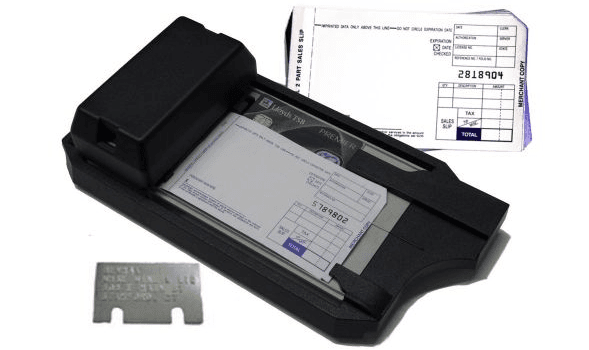
What Is an Imprinter?

An imprinter is the name given to devices that transfer all the information embossed on a credit card onto a paper sales receipt. Before POS terminals, it was commonly used by merchants for authorization transactions.

Credit card and smartphone illustrating online card payments without physically presenting the card

Credit Card

Do I have to use my physical card when shopping?

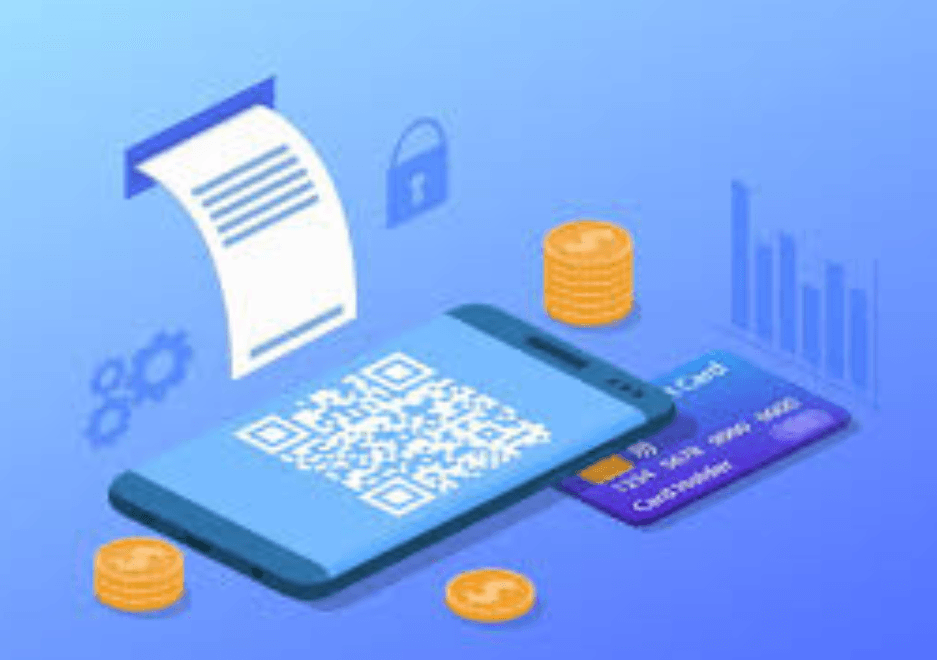
In the early years of credit cards, using the card physically was mandatory. With the internet and new technologies, we can now pay with only the card details, 3D Secure and contactless NFC payments, even without the card in hand.

Diagram illustrating the structure of Track3 data on a payment card

Credit Card

What Is Track3?

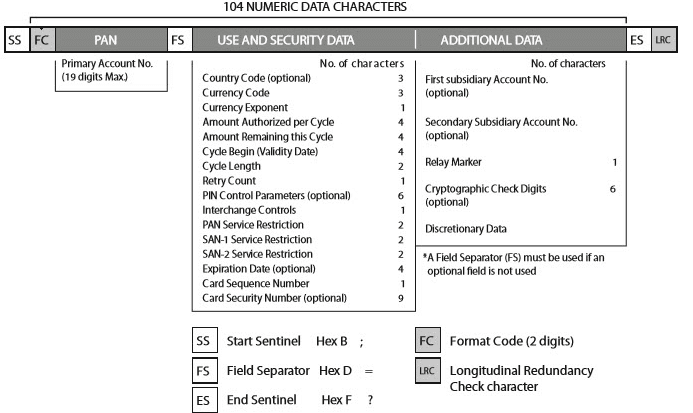
Track3 is a field that doesn't need to be written to the card's magnetic stripe. It's used only in very specific cases and isn't required for authorization transactions. Issuers generally don't encode Track3 data onto the card's magnetic stripe. It consists of 104 numeric characters.

Illustration representing payment card BIN numbers and card schemes

Credit Card

Which BINs Do Payment Schemes Work With?

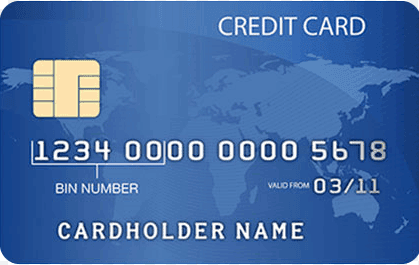
Banks increase the variety of their products and services to serve customers better. When introducing new products, they usually issue them under a new BIN. So are there valid rules for obtaining a new BIN (Bank Identification Number)?

EMV Application Version Number on card and terminal

Online & Authorization

Application Version Number

The Application Version Number is the version number of the application on the card. For example, the Visa VSDC application version number is 131, and the Mastercard M/Chip Lite version number is 2.