
Payment Systems
What is BNPL (Buy Now, Pay Later)?
The term 'Buy Now, Pay Later' (BNPL) refers to deferring payment on a purchase to a later date. The product is delivered to the customer before any payment is made, and the customer pays afterward.
Search
143 articles found
Payment Systems
The term 'Buy Now, Pay Later' (BNPL) refers to deferring payment on a purchase to a later date. The product is delivered to the customer before any payment is made, and the customer pays afterward.

Laws & Regulations
Digitalization is changing how banks onboard customers. This post covers digital identity, verification methods, what the Turkish ID card offers, and Article 43 of the Regulation on Information Systems of Banks and Electronic Banking Services on remote identity verification and open banking.

Payment Institutions & E-Money
Open banking means sharing customers' financial information with a third-party fintech company so that a range of banking and financial services can be offered to them. It works through API integrations. This post covers its status in Turkey and the new BRSA regulation.

Laws & Regulations
Turkey is rapidly implementing the items in the 11th Development Plan for a fintech ecosystem with equal opportunity. Under the approved law amendment, some BRSA powers over payment services and e-money companies were transferred to the CBRT, making it the single authority in payments.

Credit Card
The term 'wallet' has many definitions in payments and fintech. In general, it refers to digital wallets (e-wallets) used in e-commerce, popular because they let users securely store payment information and pay easily.
Laws & Regulations
A payment institution is a legal entity that provides payment services for electronic payments through the infrastructure it offers. This article covers the Turkish regulatory framework, licensing, safeguarding, supervision, penalties and taxation.

Merchant & POS
Address Verification Service (AVS) is a fraud prevention system that helps limit fraud and chargebacks when used effectively. It verifies that the address a customer enters matches the cardholder's address on file with the issuer.
Merchant & POS
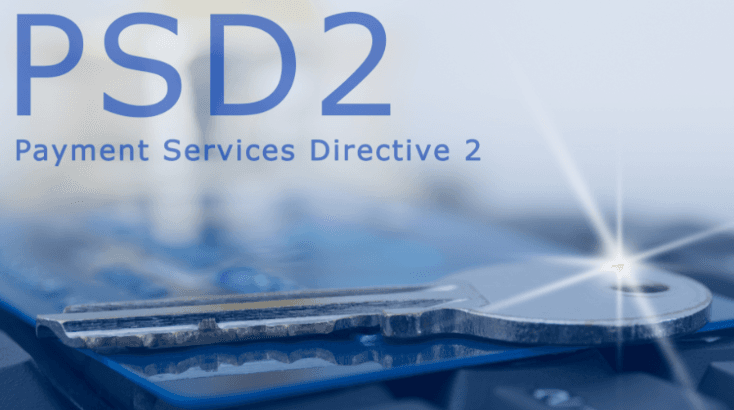
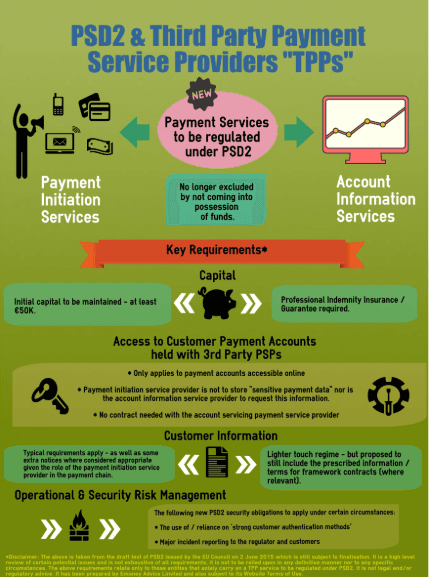
PSD stands for Payment Services Directive, known as the Payment Services Law. It took effect in EU countries in 2009, and in 2015 new revisions were announced as PSD1, aiming to build an efficient, fast, secure, and competitive payment market.

Credit Card
When I think back to the Akbil I used when I first arrived in Istanbul, I think it's fair to say that Istanbulkart has undergone a very significant transformation. Users can now track activity, top up and view balances right from their phones.
ATM
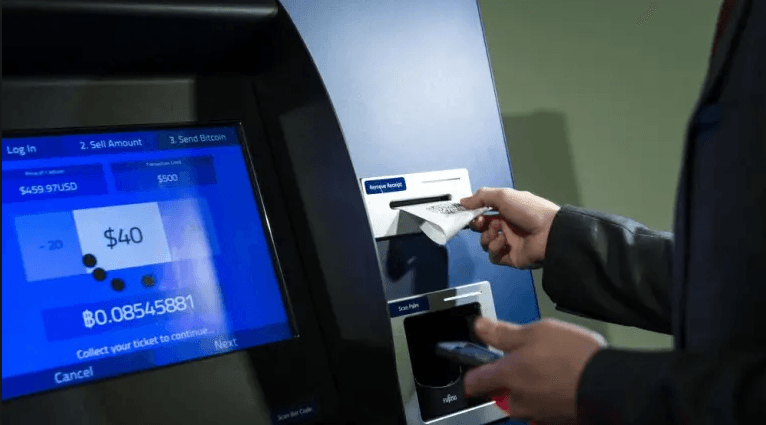
Suppose you are a newly established bank, wanting to offer customers all your products and services. Of course, this is not easy. First, the Bank's OnUs transaction processing step must run successfully before other banks' cards can be accepted at the ATMs.
Credit Card
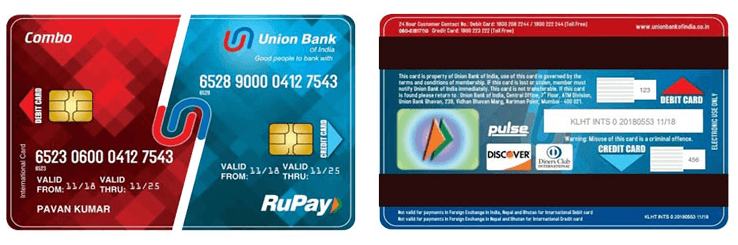
A look at the Union Bank RuPay combo card, an unusual design with two chips, two card numbers, two CVV2 values, two magnetic stripes, and two payment schemes combining credit and debit card functions.

Merchant & POS
An offline transaction is one in which the card and POS terminal approve the transaction based on their own parameters, without contacting their banks. Whether contact or contactless, the device decides whether the transaction is processed offline.