Skip to content

Search

"information security"

221 articles found

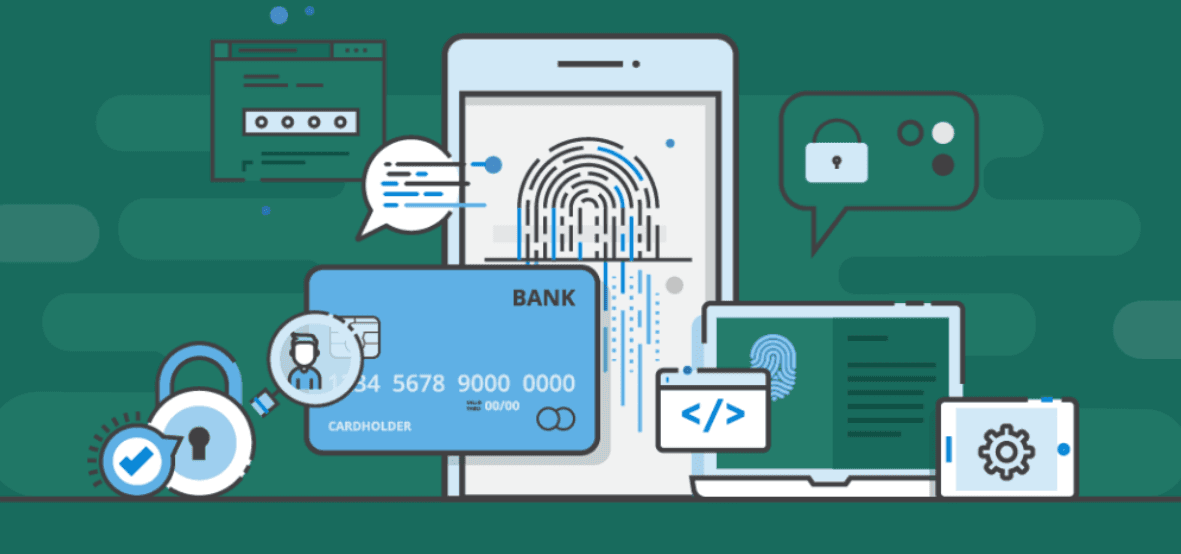
Illustration explaining what a non-secure e-commerce card transaction is

Payment Systems

What is a Non-Secure transaction?

A non-secure transaction is an e-commerce transaction approved without any verification before authorization, such as SMS OTP. In short, authorization is obtained by verifying only the card number, expiration date, and CVV2.
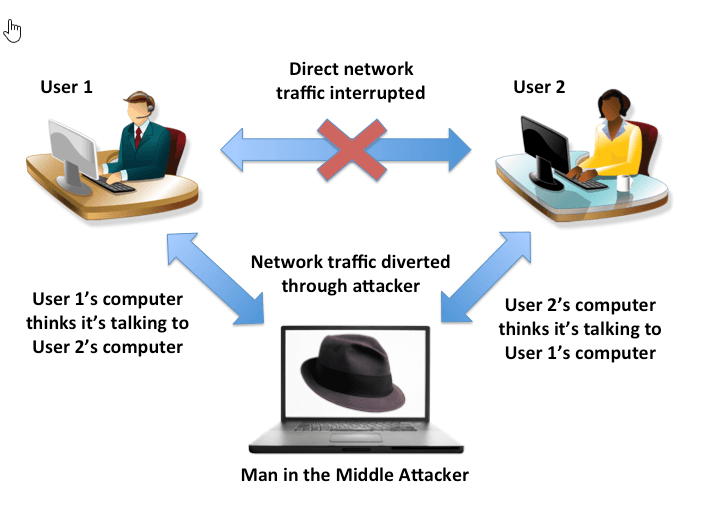
Diagram illustrating a man-in-the-middle attack intercepting communication between a client and a server

Fraud

What is a Man-in-the-Middle Attack (MITM)?

A man-in-the-middle attack is a method in which an attacker inserts themselves between the server and client to intercept users' information, steal passwords, and gain access to accounts on a local network. This fraud mostly occurs over public internet connections.

Online mail order payment form being filled out on a laptop

Merchant & POS

What is the risk of mail order transactions for merchants?

Mail order transactions are preferred by cardholders because they only block the card limit by the installment amount, creating a sales opportunity for merchants. But is the remaining balance guaranteed?

Dynamic QR code payment verification illustration

Merchant & POS

What Is Dynamic Verification?

Dynamic verification means that, in a payment initiated with a dynamic QR code, transaction-specific details such as the recipient's name, account number and amount are verified online by the receiving participant at the time of the transaction.

Illustration representing credit card fraud and online payment security risks

Fraud

What is Fraud? What are the Types of Fraud?

With the growth of credit and debit card usage and rising e-commerce transaction volumes, there has been a serious increase in exploiting user negligence to harm customers. Fraud means using someone else's card at a merchant or ATM to gain unjust profit.

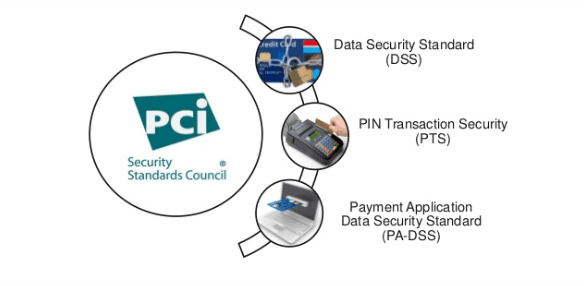
Illustration representing PIN Transaction Security (PTS) certified payment devices

Merchant & POS

What is PIN Transaction Security (PTS)?

PIN Transaction Security (PTS) verifies that card data and PIN information are used for a payment transaction. It is a set of modular evaluation requirements managed by the PCI Security Standards Council for PIN-accepting terminals.

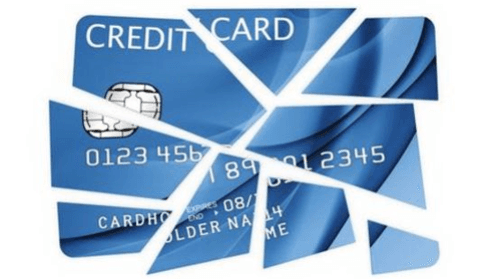
Close-up photo of a cracked payment card

Credit Card

My Card Is Broken. What Should I Do?

If your card is broken, call your bank's Customer Contact Center to request a renewal. Since the card number usually stays the same after renewal, this is convenient for you. If you'll keep using the card, don't set it to Closed or Cancelled status.

ISO 8583 F124 field structure and subfield breakdown

ISO 8583

ISO 8583 Field Descriptions (F124)

F124 (Private Additional Data) contains additional information specific to the transaction, such as Card Update Failure Code and Status, cardholder name in money transfers, and keys in network management messages.

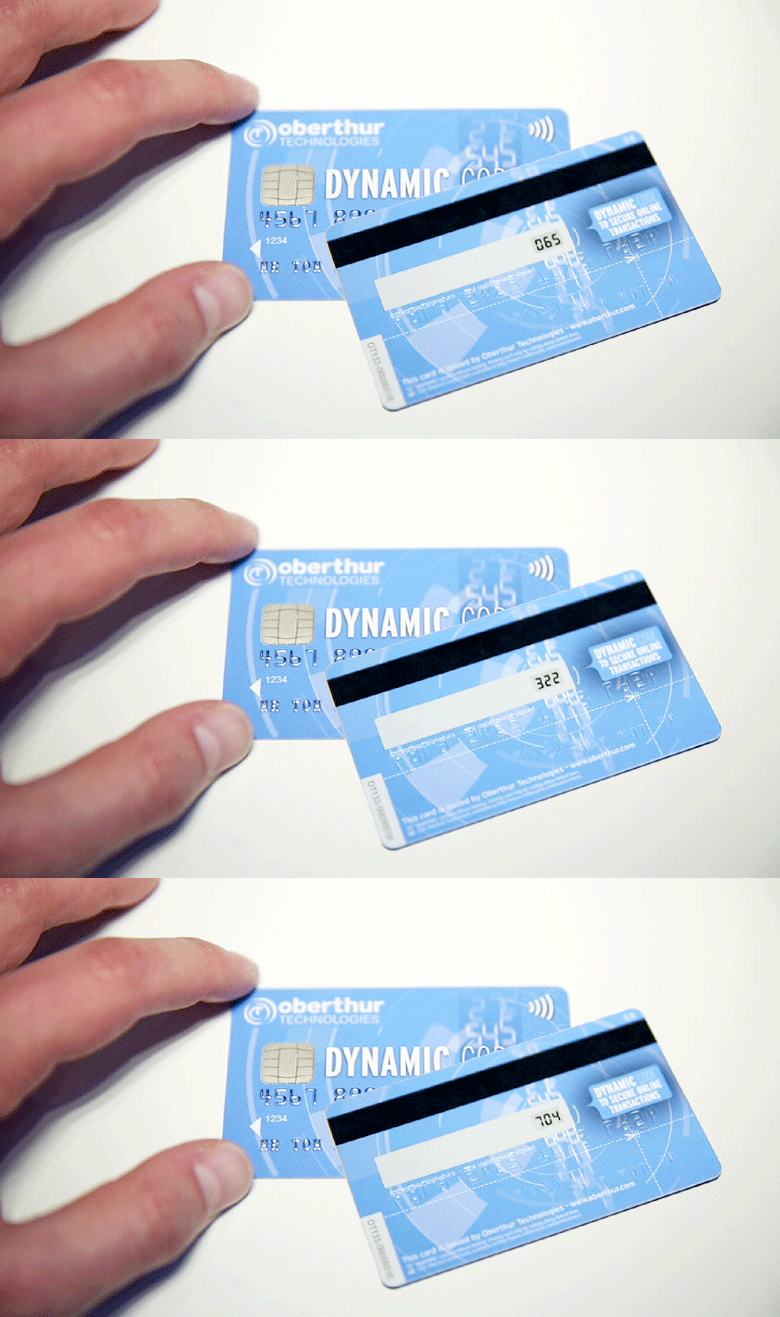
Credit card with digital security code animation

Credit Card

What is dCVV2?

Most of us are familiar with CVV2/CVC2 - the security code on the back of a card, usually three digits. So what is dCVV2? Here's how dynamic CVV technology works and why Visa introduced it for online payments.

Personal data and data protection illustration

Security

What Is Personal Data?

Personal data means any information relating to an identified or identifiable natural person, including not only names and birth dates but also physical, family, economic and social characteristics.

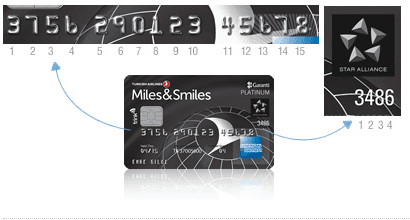
American Express (Amex) card and logo

Credit Card

What Is an Amex (American Express) Card?

Amex is short for American Express, a payment scheme like Mastercard, Visa, or TROY. Learn its history, what sets Amex cards apart, and whether every website accepts them.