Skip to content

Search

"payment processing"

234 articles found

Diagram of the Secure Mobile Payment and Electronic Document Management System under VUK 507

Payment Institutions & E-Money

What Is the VUK 507 Communique?

VUK 507 is the common name of Tax Procedure Law General Communique Serial No. 507, published in the Official Gazette on 1/6/2019 on the Secure Mobile Payment and Electronic Document Management System. It sets the rules for sales, collection and electronic document applications.

Merchant onboarding process illustration

Merchant & POS

What is Onboarding (Merchant Definition)?

Onboarding refers to all the practices that help a customer learn to use a product or service for the first time. In payment institutions, it covers verifying a customer's information and documents during merchant application.

Istanbulkart transit and payment card

Credit Card

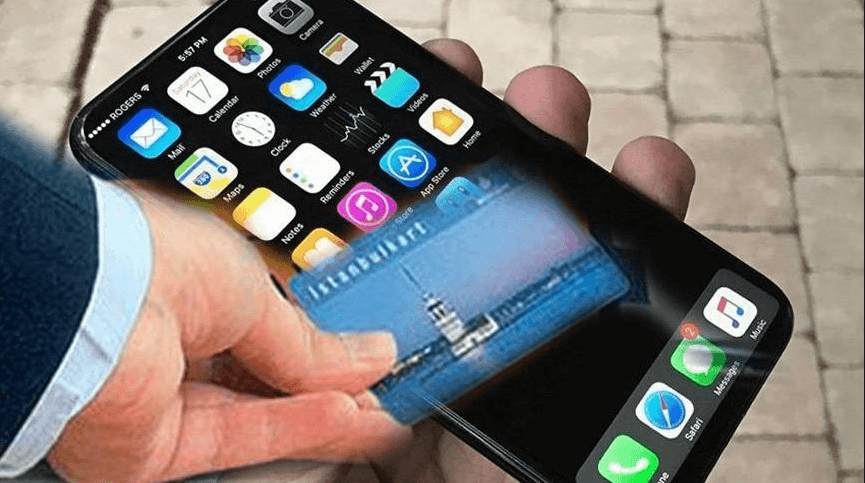
Istanbulkart: Both Transit Card and Payment Card

When I think back to the Akbil I used when I first arrived in Istanbul, I think it's fair to say that Istanbulkart has undergone a very significant transformation. Users can now track activity, top up and view balances right from their phones.

Illustration of dynamic CVM limit management for contactless card payments

Payment Systems

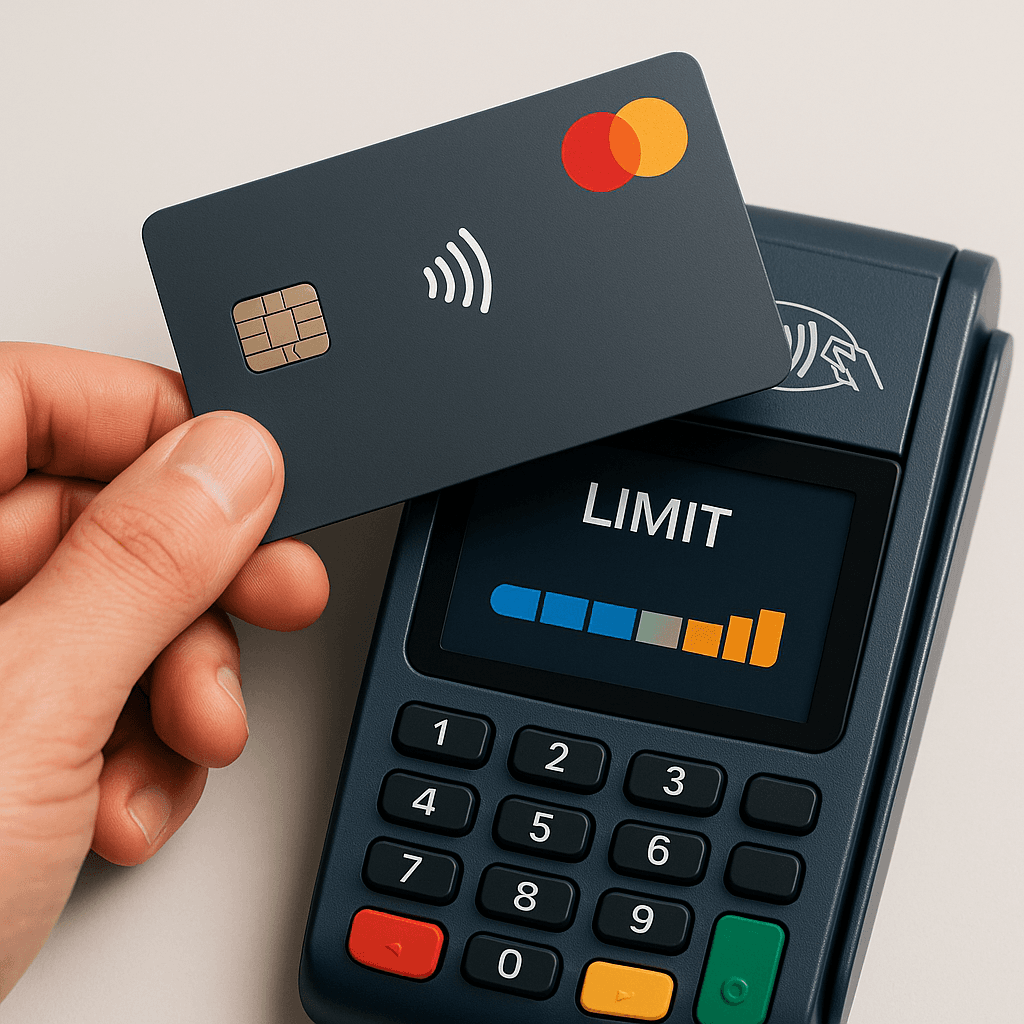
Dynamic CVM Limit Management Approach: A New Era in Card Security

One of the most notable recent developments in card payments is that contactless limits are no longer fixed and can be managed dynamically per customer. Mastercard and Visa are taking different but complementary approaches, and ISO 8583 may need to evolve with them.

Customer paying credit card debt through a mobile banking app

Credit Card

How do I pay my credit card debt?

In the past, banking could only be done at branches, but with technology, customers can now check and pay credit card debt through ATMs, branches, internet banking, mobile banking, and the PTT post office.

Cover of the EMVCo Software-based Mobile Payment Security Requirements document

Security

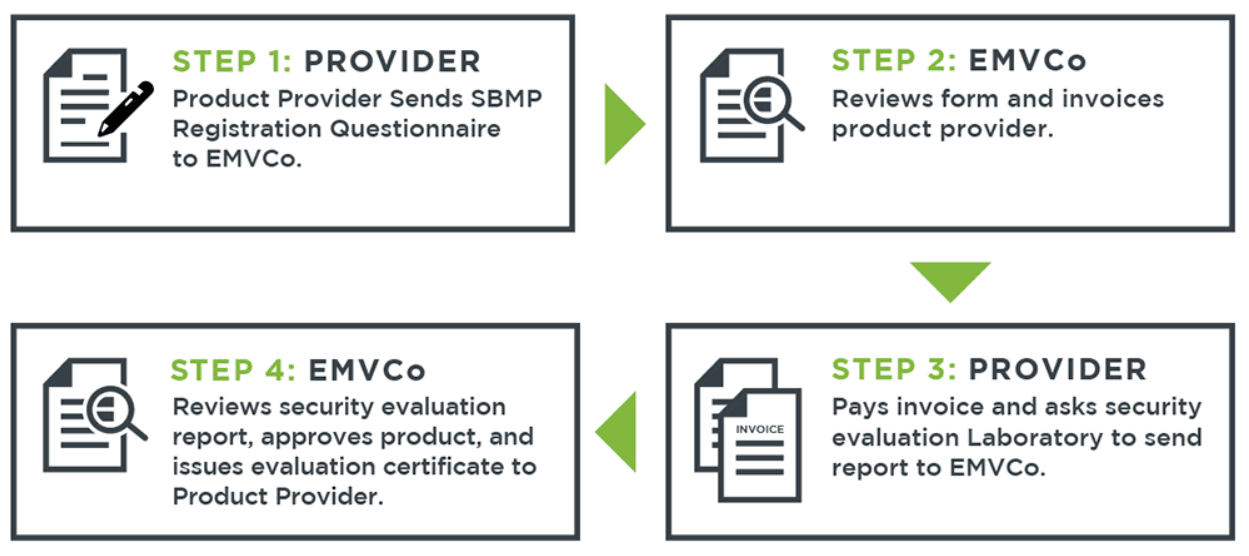
What is Software-based Mobile Payment Security Requirements?

“Software-based Mobile Payment Security Requirements” is a document published by EMVCo in April 2020 to guide payment application developers in building secure payment applications. This post summarizes its purpose and who it concerns.

Diagram showing payment systems components managed in-house by a bank

Merchant & POS

What Is 'In-house' in the World of Payment Systems?

In-house is a term widely used in the world of payment systems. It means that payment systems applications are managed end-to-end within the bank's own systems, both in terms of code and process.

PCI DSS Qualified Security Assessor illustration

Security

What Is a Qualified Security Assessor (QSA)?

A Qualified Security Assessor (QSA) is a person approved by the PCI Security Standards Council to audit merchants for compliance with the Payment Card Industry Data Security Standard.

Diagram of an e-money institution and the services it can provide under Law No. 6493

Payment Institutions & E-Money

What Is an E-Money Institution? Which Services Can It Provide Under Law No. 6493?

The Law defines e-money as monetary value issued in exchange for funds accepted by the issuer, stored electronically, used for payment transactions and accepted as a payment instrument by persons other than the issuer. This post explains e-money institutions and the services they may provide.

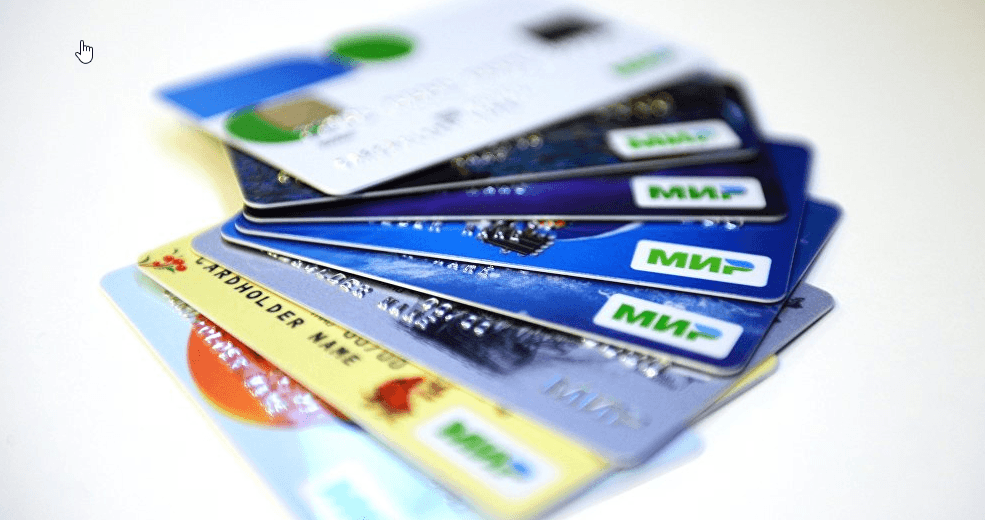
Illustration representing the Mir payment card scheme

Merchant & POS

2 Turkish Banks Agreed to Accept the Mir Payment System

In Turkey, there are 3 payment schemes we are used to seeing: MasterCard, Visa, and Troy. American Express and Diners Club are also used, though less widely. Russia's Central Bank recently said two Turkish banks are preparing to accept Mir cards.

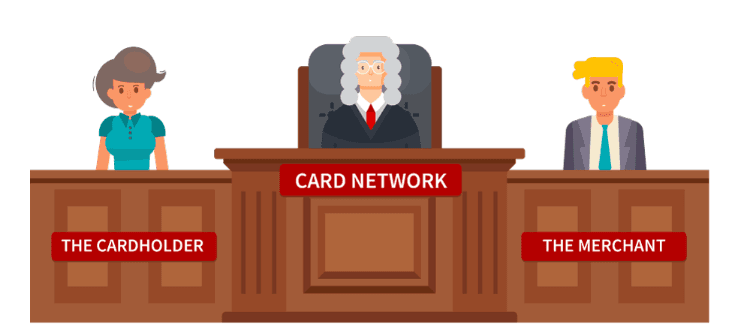
Diagram illustrating the card payment arbitration process

Chargeback

What is Arbitration?

Arbitration, by definition, is a dispute resolution method in which disputes are settled by arbitrators the parties choose themselves, rather than by official courts. In payment systems, it follows a chargeback when the issuer and acquirer cannot agree.