Skip to content

Search

"banking data"

183 articles found

Architecture diagram of the Visa EAS Server within the Visa Secure 3-D Secure authentication flow

EMV

What Is the Visa EAS Server?

The Visa EAS Server (Extended Access Service) is a server used in Visa’s authentication infrastructure. It was developed to run the cardholder authentication process securely between banks and the Visa network, particularly within Visa Secure (3-D Secure 2.x).

Screenshot of an Address Verification Service (AVS) response code table

Merchant & POS

What is Address Verification Service (AVS)?

Address Verification Service (AVS) is a fraud prevention system that helps limit fraud and chargebacks when used effectively. It verifies that the address a customer enters matches the cardholder's address on file with the issuer.

Table of CAVV result codes and what they mean for merchants

Merchant & POS

What is CAVV? What is AAV?

CAVV and AAV are verification codes used in 3D Secure transactions to ensure transaction integrity and security. CAVV is used by Visa, while AAV is used by Mastercard.

Illustration representing credit card fraud and online payment security risks

Fraud

What is Fraud? What are the Types of Fraud?

With the growth of credit and debit card usage and rising e-commerce transaction volumes, there has been a serious increase in exploiting user negligence to harm customers. Fraud means using someone else's card at a merchant or ATM to gain unjust profit.

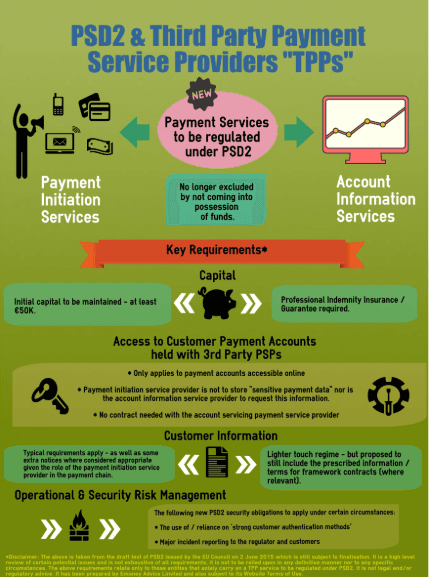
Diagram illustrating the PSD (Payment Services Directive) regulatory framework

Merchant & POS

What is PSD (Payment Services Directive)?

PSD stands for Payment Services Directive, known as the Payment Services Law. It took effect in EU countries in 2009, and in 2015 new revisions were announced as PSD1, aiming to build an efficient, fast, secure, and competitive payment market.

Illustration of remote identity verification and open banking in digital banking

Laws & Regulations

Remote Identity Verification, Reliance on Third Parties and Open Banking

Digitalization is changing how banks onboard customers. This post covers digital identity, verification methods, what the Turkish ID card offers, and Article 43 of the Regulation on Information Systems of Banks and Electronic Banking Services on remote identity verification and open banking.

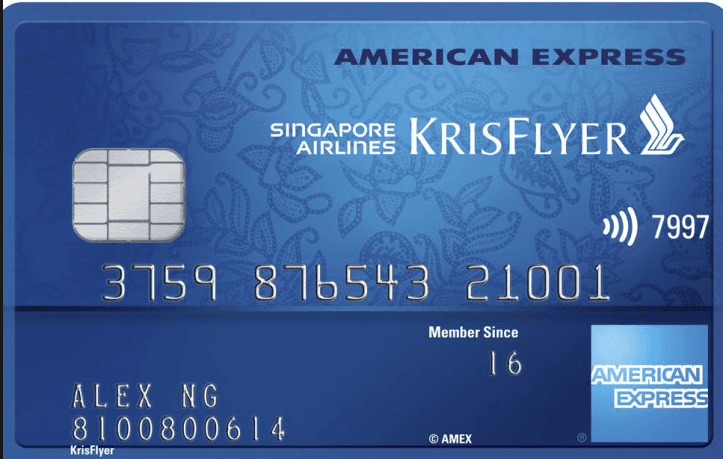
Illustration of a co-branded credit card combining a bank and a commercial brand

Credit Card

What is a Co-Branded Card?

A co-branded card is a card offered by two or more organizations: one the issuing financial institution, the other a non-financial commercial brand (there may be more than one), such as an airline, hotel, or retail chain.