Skip to content

Search

"PIN security"

100 articles found

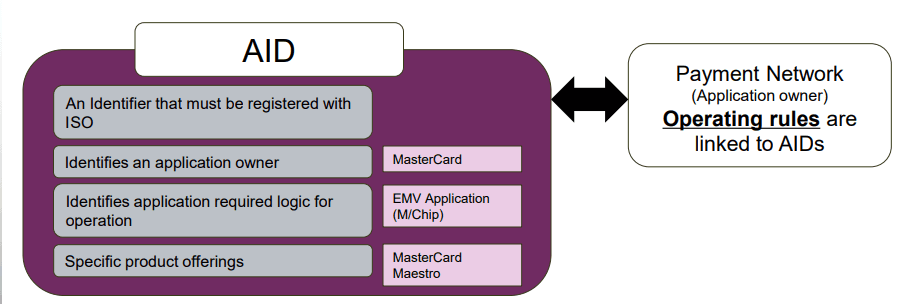
Illustration showing how an Application Identifier (AID) is used in a chip card transaction

EMV

What is an Application Identifier (AID)?

The AID tells the terminal which applications are present on a chip during a POS or ATM transaction. What does the AID do? It lets the terminal determine whether it supports an application on the chip. In Tag 9F06, it is 5-16 digits long.

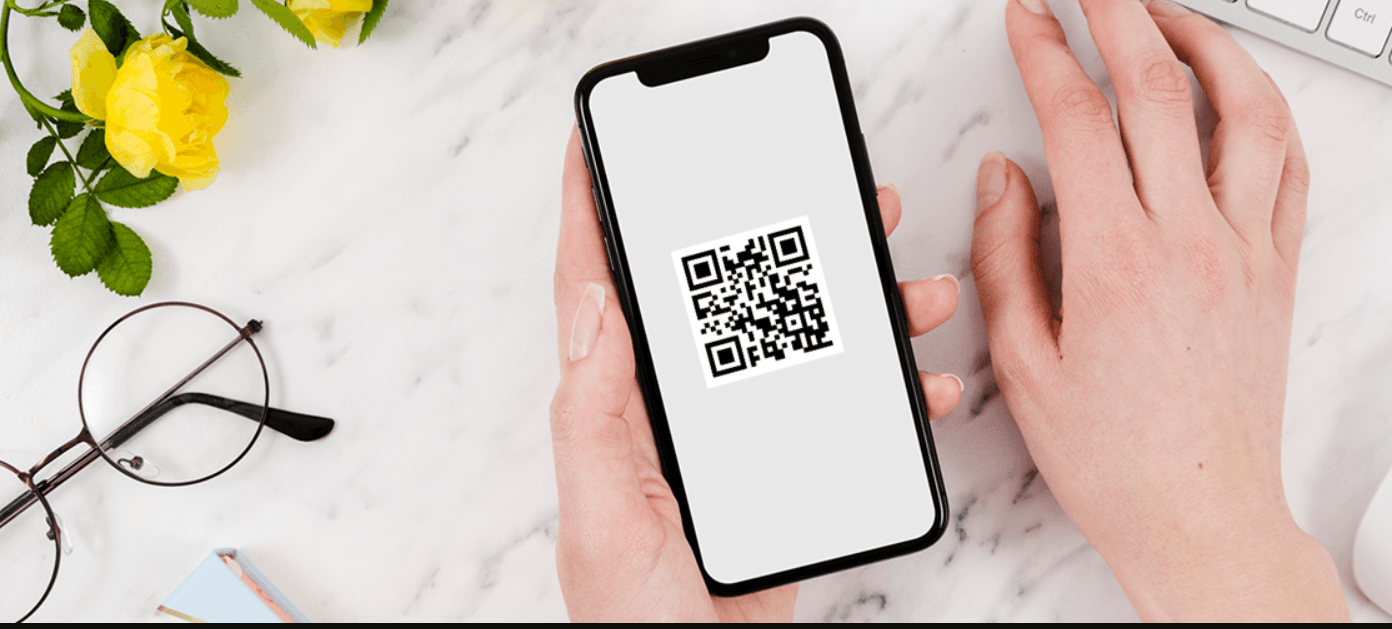
Illustration of Host Card Emulation (HCE) enabling contactless mobile payments

Online & Authorization

What Is HCE?

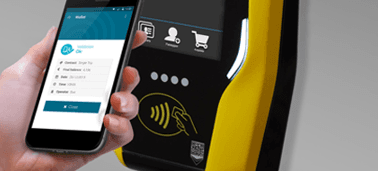
HCE lets a mobile device's operating system emulate the cards we use daily (credit, debit, gift cards, etc.) to make contactless payments via NFC. In other words, our phones behave like the cards we use for payments.

PayPal QR code payment screen shown on a mobile phone

Payment Institutions & E-Money

PayPal Expands Its QR Code Payment Service

PayPal announced that it is launching payments with QR codes in 28 markets worldwide, including the USA, the UK, France, Hong Kong and Canada. Businesses can use QR codes to accept payments and consumers to shop contactlessly through the PayPal mobile app.

Diagram illustrating the structure of Track3 data on a payment card

Credit Card

What Is Track3?

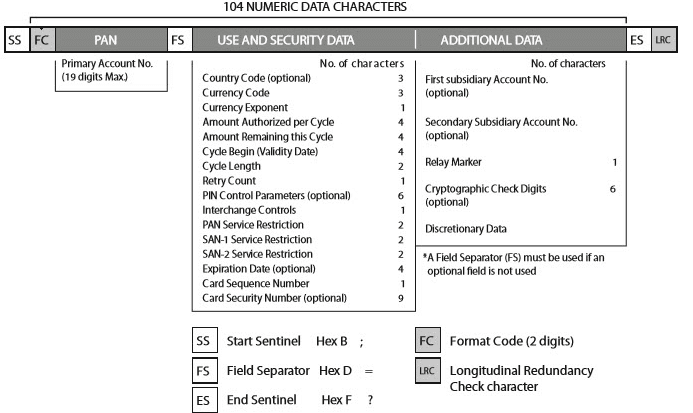
Track3 is a field that doesn't need to be written to the card's magnetic stripe. It's used only in very specific cases and isn't required for authorization transactions. Issuers generally don't encode Track3 data onto the card's magnetic stripe. It consists of 104 numeric characters.

Diagram illustrating the EMV Tag-Length-Value (TLV) data structure used in card transactions

Online & Authorization

What are EMV Tags?

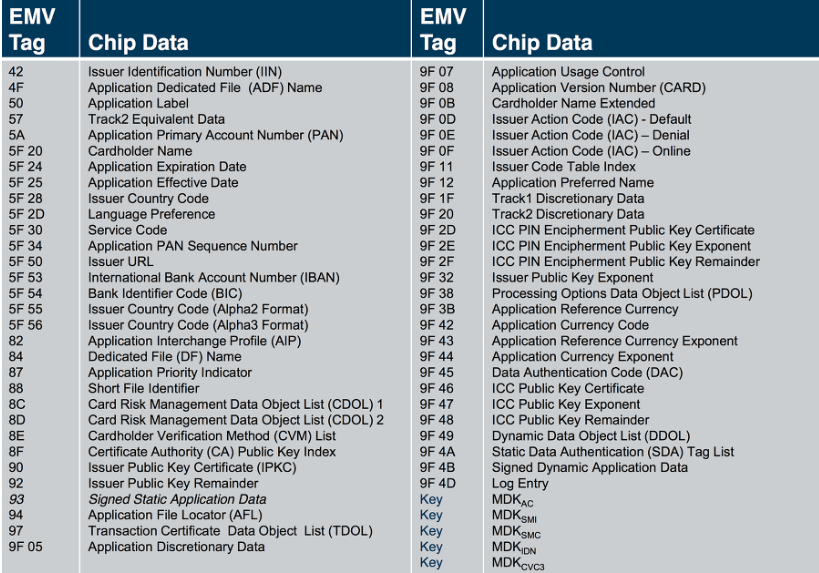
In EMV, data is stored in Tag-Length-Value (TLV) format, and it is carried between the card, the POS terminal, and the authorization system in this same format. This post lists every EMV Tag, its type, and its description.

Card skimming device attached to an ATM card reader slot

Fraud

What Is Card Skimming?

Card skimming is the theft of card information by copying it with the help of a device. Because data inside the chip is very difficult to steal, chip cards are far more secure than magnetic-stripe cards. Turkey is very advanced in card security technology.

Diagram showing the four pillars of HCE cloud-based security infrastructure

HCE

What is the HCE Cloud-Based Security Infrastructure Like?

The HCE cloud-based security infrastructure consists of four main pillars: Tokenization, Risk Management, Session Keys, and User/Device Authentication. Tokenization indicates the type of token generation, and there are three different tokenization methods.

Contactless card payment at a POS terminal after the limit increase to 250 TL

Merchant & POS

Contactless transaction limit raised to 250 TL

Current information: this article describes the limit in force at the time of publication. To reduce the risk of the coronavirus (Covid-19) spreading, the contactless transaction limit on credit and debit cards was raised to 250 lira.

Illustration of voice shopping and mobile payments with Mastercard

Merchant & POS

MasterCard Is Getting Ready for Voice Shopping

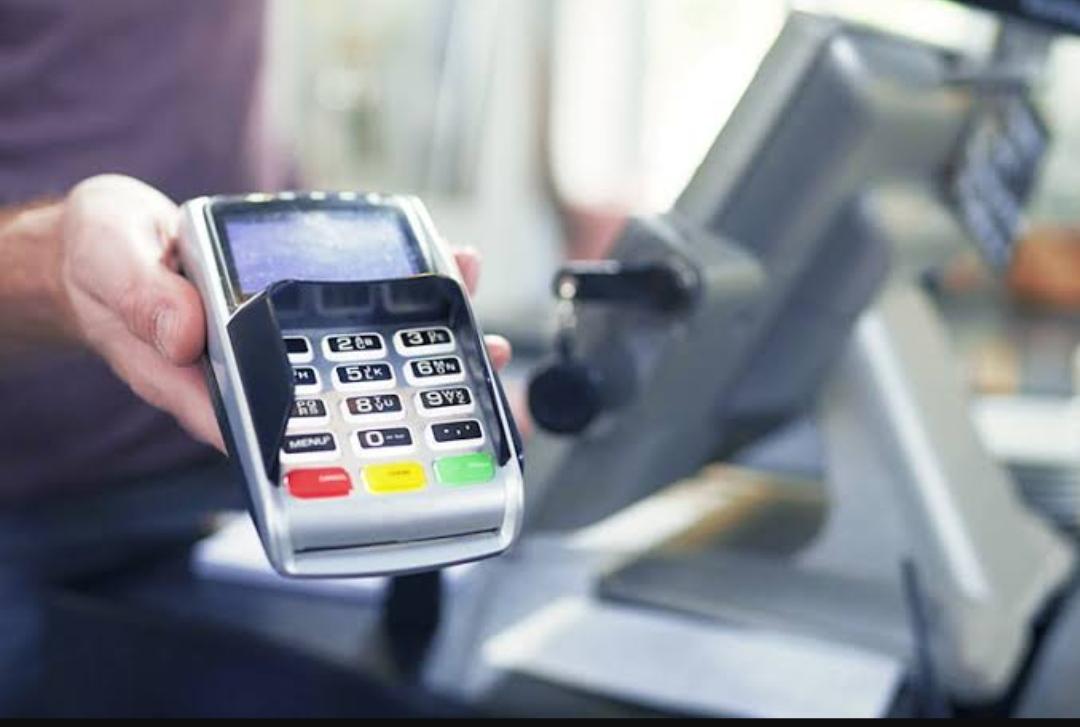
Payment systems once meant a physical card and a PIN on a POS device. Digitalization that began with contactless transactions has accelerated with mobile payments, and MasterCard is now working on voice shopping and Soft POS in Turkey.

Illustration of an ATM card trapping fraud scheme

ATM

ATM Fraud Methods: Card Trapping

ATMs generally hold your bank/credit card inside the card reader slot until the transaction is completed. Fraudsters insert foreign objects such as paper or adhesive-coated cards into the reader to trap the customer's card inside.