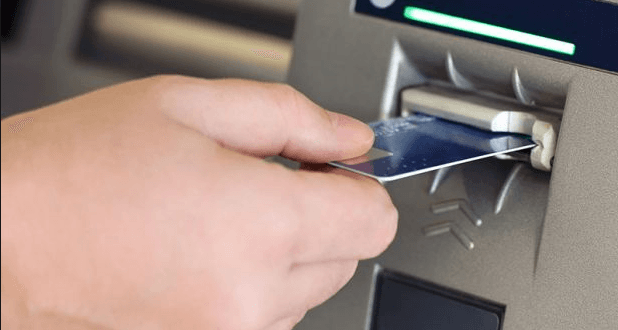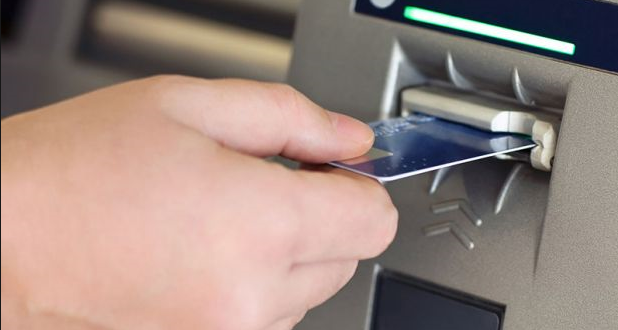
ATMs generally hold the bank/credit card inside the card reader slot until the transaction is completed. Fraudsters insert foreign objects, such as paper or adhesive-coated cards, into the ATM's card reader slot, jamming the customer's card inside the reader so that it can neither go in nor come back out. At that point, the fraudster is already standing at the ATM. They approach the cardholder under the pretext of helping. They ask the cardholder to enter their PIN, and sometimes even claim it needs to be entered three times. As the customer tries entering the PIN, the fraudster watches and learns it. Sometimes, to avoid raising suspicion, the fraudster turns their back, which makes the customer feel safe enough to enter the PIN. Meanwhile, another member of the gang learns the PIN from the customer's other side. When the fraudster and the customer realize they cannot complete the transaction and leave the ATM, another member of the gang removes the card trapped inside the ATM's card reader slot using tweezers, takes it, and withdraws the money from the customer's account at another nearby ATM.
If the customer decides not to leave the ATM without retrieving their card, the fraudster calls a number from their mobile phone and has the customer speak with another member of the gang posing as a call center representative. After hearing the "representative" say the card has been canceled, the customer leaves the ATM. To prevent this type of incident: if you experience a problem at an ATM, it is best not to leave the ATM, call your bank's contact center yourself using your own phone to report the issue, and temporarily block your card for your own security.