Skip to content

Search

"Payment Terminals"

128 articles found

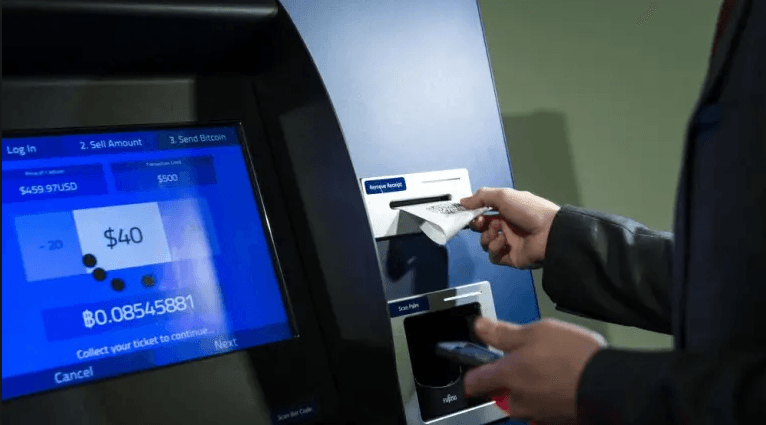
Diagram illustrating a bank's OnUs transaction flow and the process of opening ATMs to other banks' cards

ATM

What needs to be done to open ATMs to the use of all bank cards?

Suppose you are a newly established bank, wanting to offer customers all your products and services. Of course, this is not easy. First, the Bank's OnUs transaction processing step must run successfully before other banks' cards can be accepted at the ATMs.

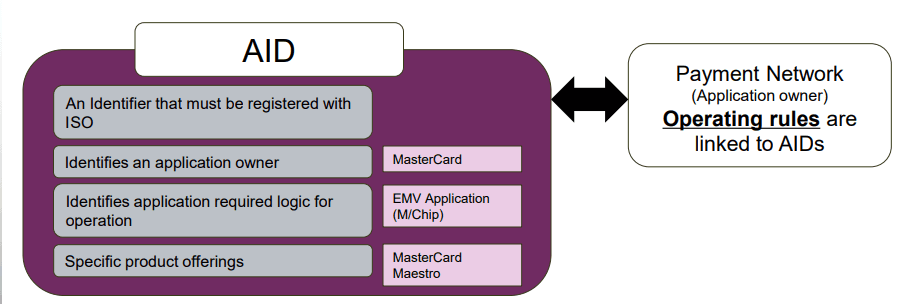
Illustration showing how an Application Identifier (AID) is used in a chip card transaction

EMV

What is an Application Identifier (AID)?

The AID tells the terminal which applications are present on a chip during a POS or ATM transaction. What does the AID do? It lets the terminal determine whether it supports an application on the chip. In Tag 9F06, it is 5-16 digits long.

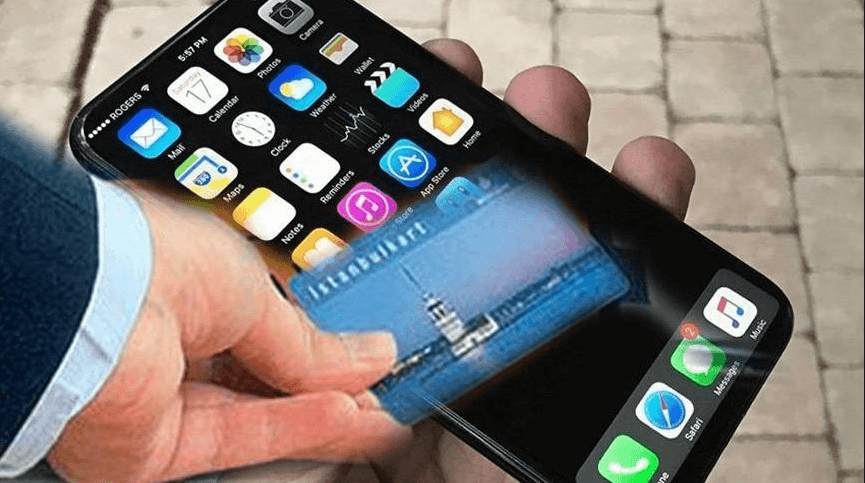
Istanbulkart transit and payment card

Credit Card

Istanbulkart: Both Transit Card and Payment Card

When I think back to the Akbil I used when I first arrived in Istanbul, I think it's fair to say that Istanbulkart has undergone a very significant transformation. Users can now track activity, top up and view balances right from their phones.

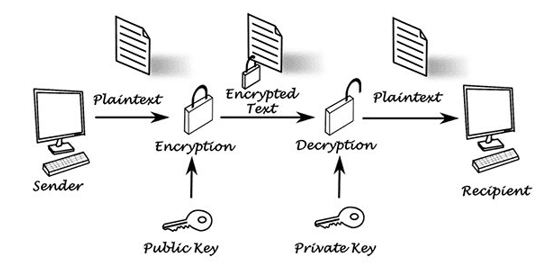
Diagram of symmetric key types used in payment systems

HSM & Security

Types of Symmetric Keys

In the world of payment systems, keys and their uses are important for transferring information from one place to another, storing information, and securing authorization and scripting steps. Key types are divided into six categories based on their purpose.

Card skimming device attached to an ATM card reader slot

Fraud

What Is Card Skimming?

Card skimming is the theft of card information by copying it with the help of a device. Because data inside the chip is very difficult to steal, chip cards are far more secure than magnetic-stripe cards. Turkey is very advanced in card security technology.

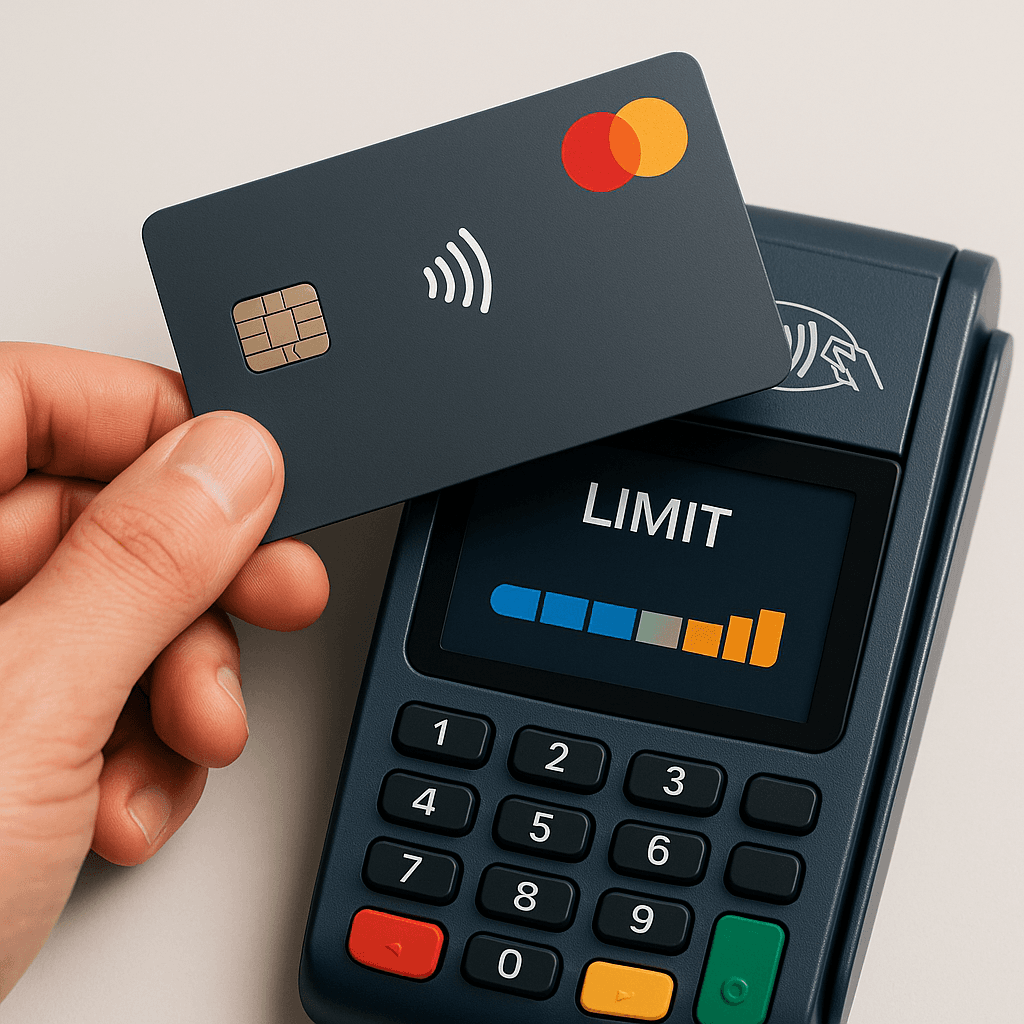
Illustration of dynamic CVM limit management for contactless card payments

Payment Systems

Dynamic CVM Limit Management Approach: A New Era in Card Security

One of the most notable recent developments in card payments is that contactless limits are no longer fixed and can be managed dynamically per customer. Mastercard and Visa are taking different but complementary approaches, and ISO 8583 may need to evolve with them.

POS terminal used for card payment transactions

Merchant & POS

What is On-Us Leakage?

On-Us Leakage is a term used in the world of payment systems. On-us means the card-issuing bank and the POS-acquiring bank are the same. So what does on-us leakage mean in this context?

Illustration showing different card printing methods

Credit Card

What Are the Card Printing Types?

While it is true that, with technological advancement, the trend of using payment transactions without a physical card via mobile phones has increased, there are many reasons why cards are still physically printed and delivered to customers.

Illustration explaining the POS cashback feature

Merchant & POS

What is POS Cashback?

Cashback is a modern POS terminal service that allows cash to be withdrawn from the merchant's till while paying for goods and services. Although cashback is a feature specific to debit cards, you can also withdraw cash from an ATM...

Illustration of a Zone PIN Key (ZPK) protecting PIN data in a payment network

HSM & Security

What is ZPK (Zone PIN Key)?

ZPK, also known as the PIN Protection Key, is a data encryption key that is distributed automatically and used to encrypt PINs. It is also referred to as the 'Working Key'. This key allows PIN information to be carried securely across the network.

Diagram illustrating the ISO 8583 F42 card acceptor identification code field

ISO 8583

ISO 8583 Field Descriptions (F42)

F42 - CARD ACCEPTOR IDENTIFICATION CODE: the merchant number of the terminal where a transaction took place. It is a 15-character alphanumeric value. Transactions are settled to the merchant's account based on the merchant number in this field.