Skip to content

Search

"issuer bank"

109 articles found

Illustration of personal data protection under the Turkish Personal Data Protection Law (KVKK)

Merchant & POS

What is the Personal Data Protection Law (KVKK)?

The Personal Data Protection Law was adopted by the Grand National Assembly of Turkey on 24/03/2016 and published in Official Gazette No. 29677 on 07/04/2016. It protects individuals' rights in the processing of personal data and sets the rules that data controllers must follow.
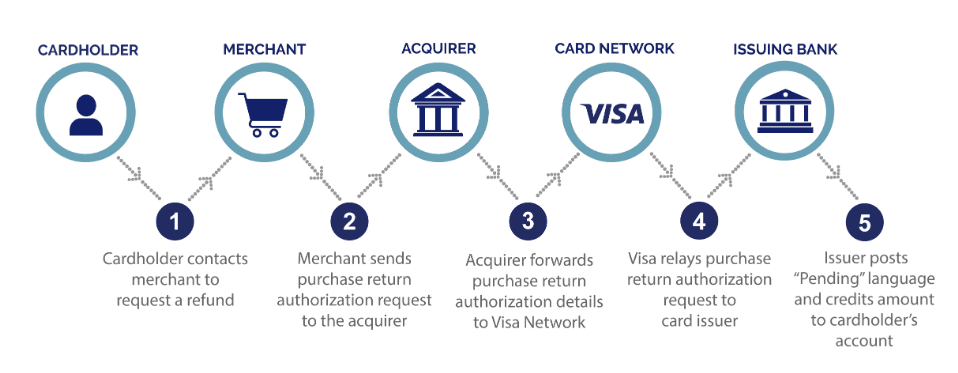

Diagram explaining the Visa Purchase Return Authorization process for card refunds

Credit Card

What Is Purchase Return Authorization?

A structure developed by Visa for purchase refund transactions. The purchase return authorization message lets cardholders view their refund transactions in real time, improving the customer refund experience.

POS terminal used for EMV card payment processing

Merchant & POS

TVR (Terminal Verification Results)

Terminal Verification Results (TVR): a sequence of bits produced when a terminal reads an EMV card, based on logical checks such as an expired card. This data object is used to decide whether a payment transaction should be accepted online, declined, or allowed to proceed.

3D Secure opt-out online payment illustration

Merchant & POS

What Is Opt Out?

In online transactions, Opt Out is the cardholder exercising the right not to enroll in 3D Secure. It is not unlimited: only as many transactions as the issuer allows can be made without 3D Secure.

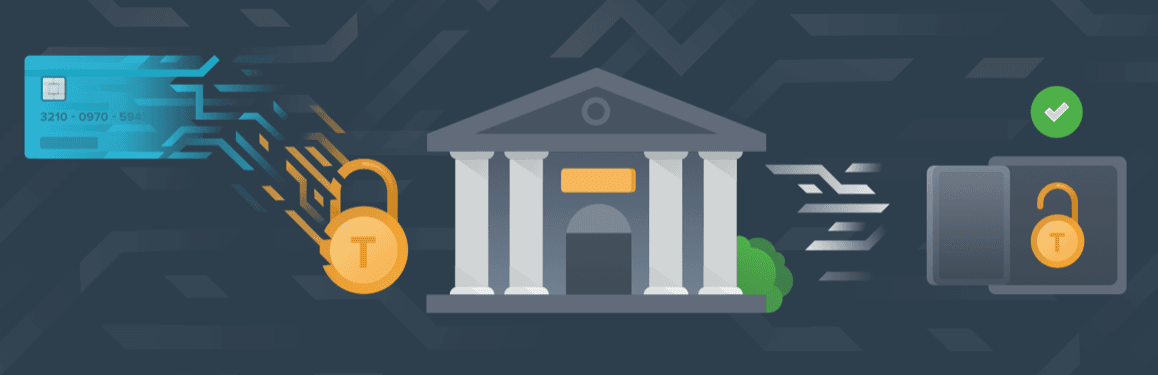
Diagram illustrating the properties and lifecycle of a tokenized card number as it moves through the payment network

HCE

What Are the Characteristics of a Tokenized Card Number?

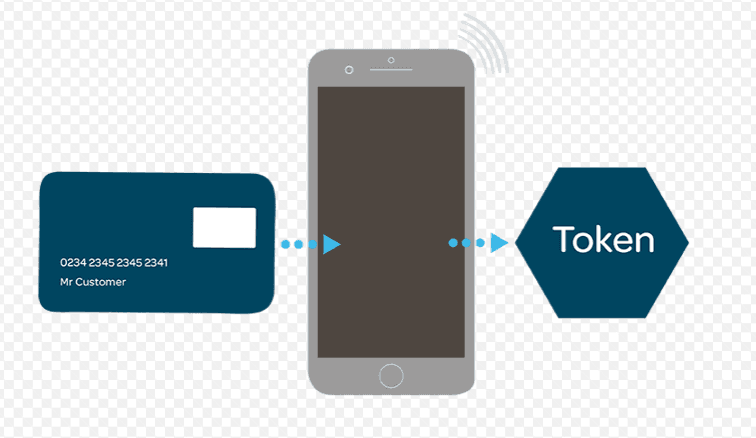
A tokenized card number replaces a physical card number so transactions can be carried out securely. It is generated by the TSP (Token Service Provider), used by the cardholder or merchant, and travels across the payment systems network.

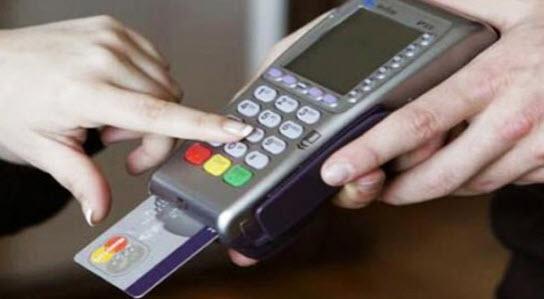
POS terminal processing an EMV chip card transaction

Credit Card

Application Interchange Profile (AIP)

The Application Interchange Profile indicates the application functions supported by the card. The AIP values and their descriptions are given below. Where is the AIP found? The AIP is a 2-byte piece of data stored on the card, carried under EMV tag 82.

Contactless card payment at an overseas POS terminal that prompts for a PIN after a limit is exceeded

Payment Systems

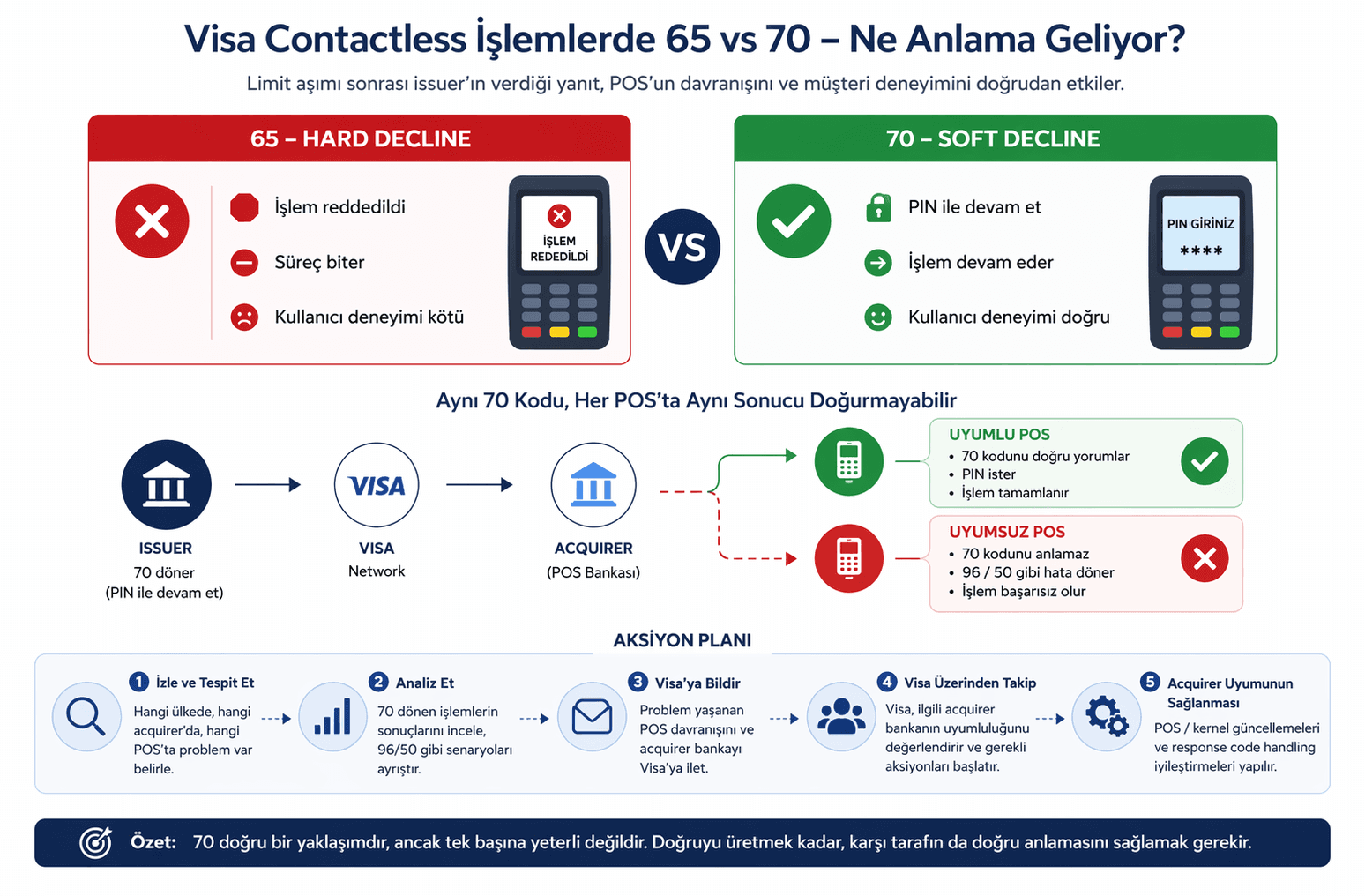
Visa Overseas Contactless Transactions – After Code 70 (Part 2)

After switching to response code 70 for contactless limit-exceeded cases, we found that some overseas POS devices and acquirers did not handle it as expected. This post covers why the problem lies in the ecosystem and how to address it.

Cover of the EMVCo Software-based Mobile Payment Security Requirements document

Security

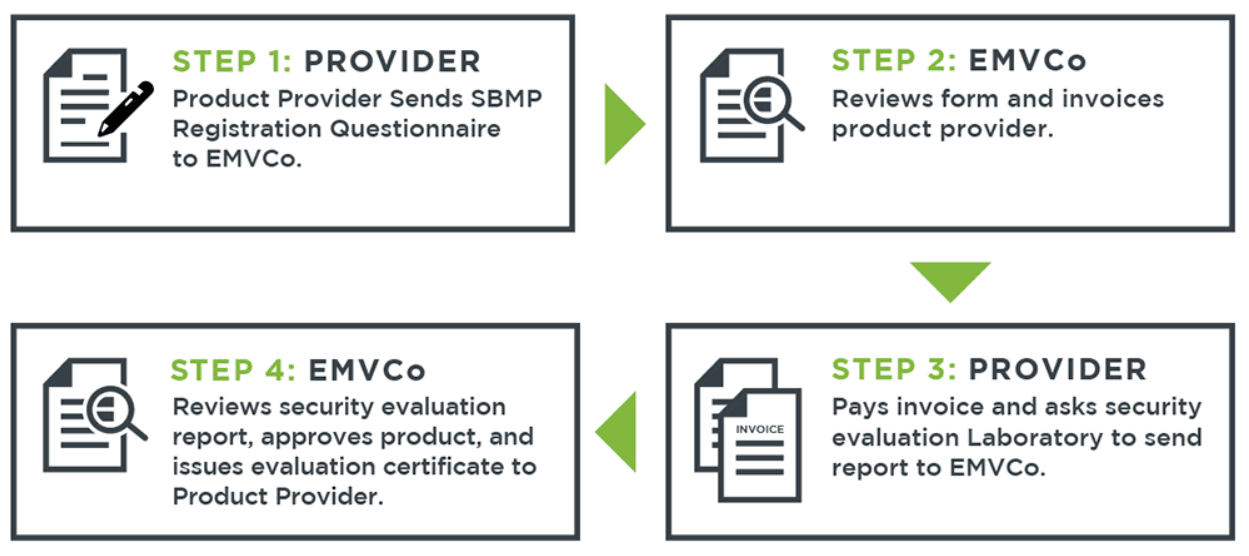
What is Software-based Mobile Payment Security Requirements?

“Software-based Mobile Payment Security Requirements” is a document published by EMVCo in April 2020 to guide payment application developers in building secure payment applications. This post summarizes its purpose and who it concerns.

Comparison of online and offline token verification in payment transactions

HCE

What Are Transaction-Based (Online/Offline) Token Types?

Token types vary depending on the verification method used in a transaction. In offline transactions, general checks are performed by the mobile app and card reader without any verification in the card system. In online transactions, token verification is sent to and verified by the issuer.

Diagram showing how the iCVV code is generated for EMV chip cards

Credit Card

What Is iCVV? How Is It Generated?

iCVV stands for Integrated Circuit Card Verification Value. To prevent fraud, it is a CVV value generated similarly to the card's track data and stored on the card's chip. Visa uses the term iCVV; MasterCard and American Express use their own equivalents.