Skip to content

Search

"transaction limits"

226 articles found

Diagram illustrating ISO 8583 Field 61 Point of Service (POS) data structure

ISO 8583

ISO 8583 Field Descriptions (F61)

F61 - POINT OF SERVICE (POS) DATA: This field provides information about the specific status of the POS at the time of the transaction. Position Usage Attribute 1 POS Terminal Attendance Indicator 0 = Attended terminal (Valid for MasterCard debit card and Maestro transactions only).


Illustration of a digital receipt delivered through a banking mobile app instead of a paper receipt

Payment Systems

Digital Receipt Era Is Coming...

The BRSA has introduced a regulation to reduce paper use in POS devices. Cardholders who do not want a paper receipt for card purchases will be able to receive and store it digitally, with the rules taking effect in September and December 2023.

Illustration representing the advantages and disadvantages of credit cards

Credit Card

What Are the Advantages and Disadvantages of a Credit Card?

Credit cards can be a convenient way to manage income and expenses, but for those who don't know how to use them, they can become an expensive and risky product. Here are the key pros and cons to weigh before applying for one.

Diagram showing the structure of the Card Verification Results (CVR) data element

Credit Card

CVR (Card Verification Results)

CVR (Card Verification Results) refers to the results of checks performed on the card. In short, it can be described as keeping the card's transaction log. BYTE 1 Bit 8-7: 00 = The second GENERATE AC command returned an AAC cryptogram (decline)...

Credit card and statement illustrating pending transactions

Credit Card

If I close my credit card, are the transactions made on it deleted?

A credit card is a payment instrument that lets a customer borrow up to a limit set by the bank after evaluating certain criteria. Transactions made on the card are first recorded in the current-period transactions, then posted as debt on the statement date.

Table of merchant sectors where offline transactions are restricted

Merchant & POS

In Which Sectors Can Offline Transactions Not Be Performed?

An offline transaction is one approved by the card and the POS themselves, without going to any system (the card's bank or the POS's bank), when a chip card transaction is made at a POS. For this reason, some sectors considered risky are restricted.

Credit card limit increase criteria

Credit Card

What Is a Credit Card Limit Increase?

A credit card is a loan granted by the bank, so it must follow certain criteria and stay within a limit. As card usage changes over time, the need for a higher limit can arise.

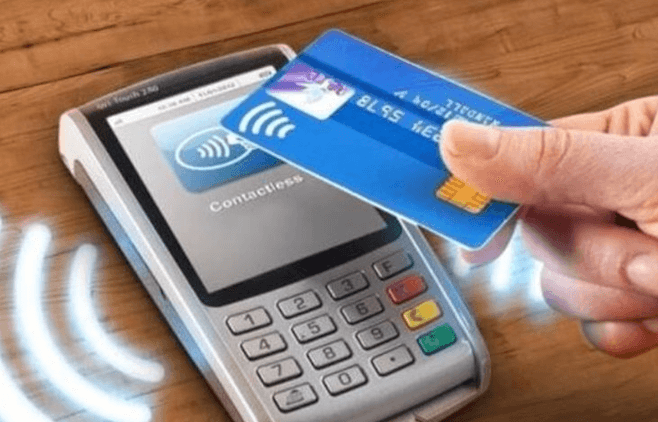
Contactless payment with a card on a POS terminal

Contactless

7 Reasons to Make Contactless Transactions

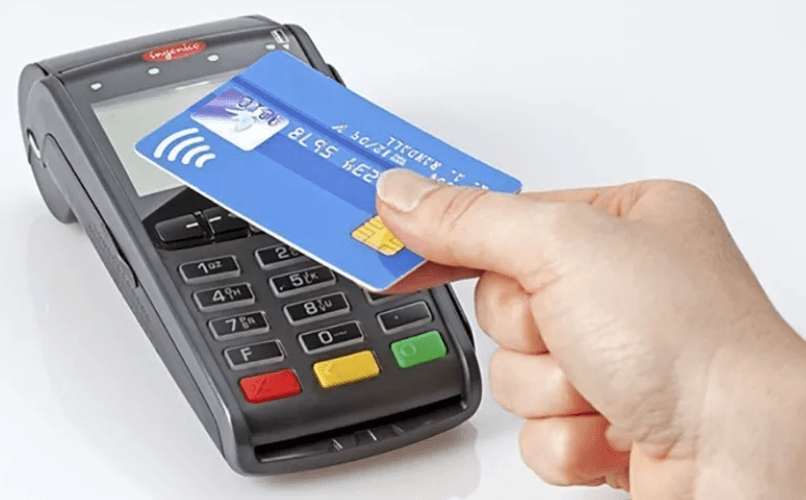
It is important to use contactless cards to prepare our payment habits for the future. In Turkey, one in every 3 cards and one in every 4 POS terminals is contactless-enabled, yet usage remains around 5%.

Illustration representing an installment transaction made with a credit card

Credit Card

What is an Installment Transaction?

An installment transaction splits a payment into a set number of installments reflected on the cardholder's statement, when the card and POS bank are the same. For example, a 1000 TL transaction in 5 installments reflects 200 TL per statement period, starting from the first one.

Diagram showing the EMV chip card static data authentication (SDA) process

EMV

What is a Data Authentication Code (DAC)?

DAC is the abbreviation for Data Authentication Code. It is a piece of data assigned by the issuer and held by the terminal during the Signed Static Application Data verification process.