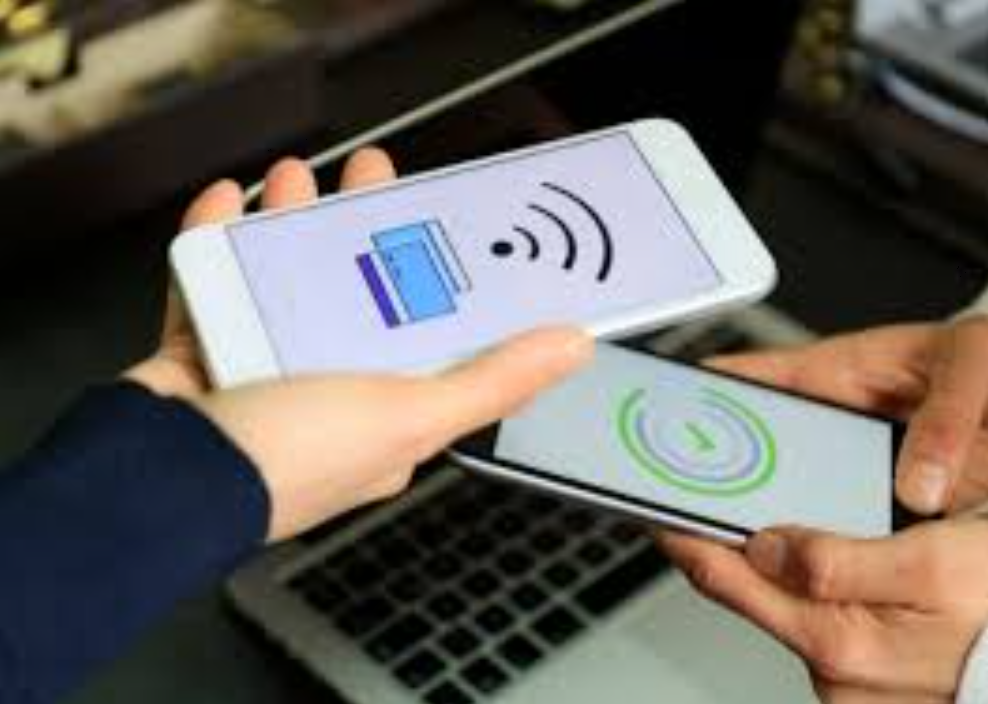
The Banking Regulation and Supervision Agency (BRSA) has introduced a new regulation aimed at reducing the amount of paper used in POS devices. Under the regulation, cardholders who do not want a paper receipt for card purchases will be able to receive and store these documents digitally.
Under the BRSA regulation, the requirement will take effect
- by 1 September 2023 at the latest for transactions where the issuing bank and the acquiring bank are the same,
- by 1 December 2023 at the latest for transactions where the issuing bank and the acquiring bank are different.
As the regulation takes effect, paper and document use will decrease, bringing benefits such as lower service costs, time savings and a smaller carbon footprint. The regulation is also of great importance for the green economy, which aims at sustainable development without harming the environment.
Cardholders will be offered 3 options
Cardholders who want a digital receipt instead of a paper receipt will be able to give their consent through banks' mobile applications and internet banking channels. Banks will offer cardholders three options: "I do not want a receipt for transactions below the contactless limit", "I do not want a receipt for any transaction" and "I want a receipt for all my transactions", and customers will be able to change their preference at any time using the same method.
After a card is used, a digital receipt identical to the paper receipt will be delivered to the customer instantly through banking applications. In addition, customers will be able to query, view and share the documents for transactions made in the last 6 months through banking applications, which will make it easier to keep track of banking transactions.
For every 1 ton of paper receipts, 17 trees will be saved from being cut down
By issuing paper receipts electronically, 17 trees in nature will be saved for every 1 ton of receipts. Paper receipts cannot be recycled because of the chemicals they contain, so replacing them with digital receipts will make a very significant contribution to nature in this respect as well.
But can this practice be managed with a change made only in the mobile application?
This regulation needs to be considered carefully from both the card side and the POS side.
Whether to skip the receipt or receive it digitally is the customer's decision; however, handing the transaction receipt to the customer is also an action of the POS system. For this reason, the card side and the POS system need to come up with a solution on which they can agree with each other.



