Skip to content

Search

"E-commerce"

106 articles found

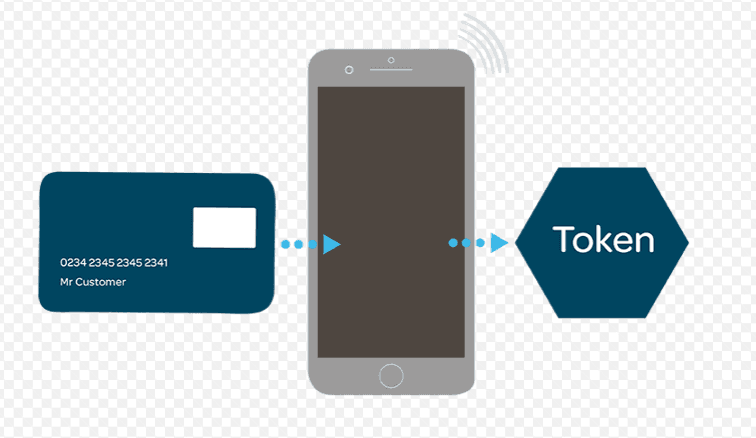
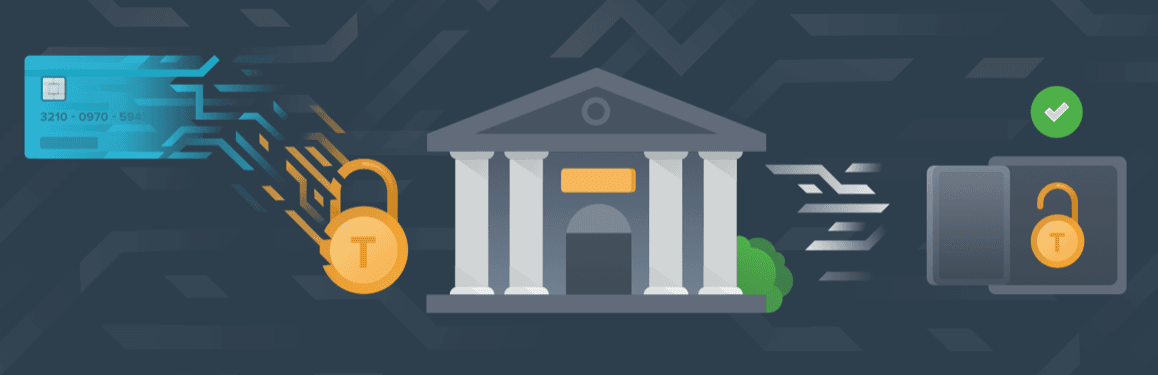
Diagram illustrating the properties and lifecycle of a tokenized card number as it moves through the payment network

HCE

What Are the Characteristics of a Tokenized Card Number?

A tokenized card number replaces a physical card number so transactions can be carried out securely. It is generated by the TSP (Token Service Provider), used by the cardholder or merchant, and travels across the payment systems network.
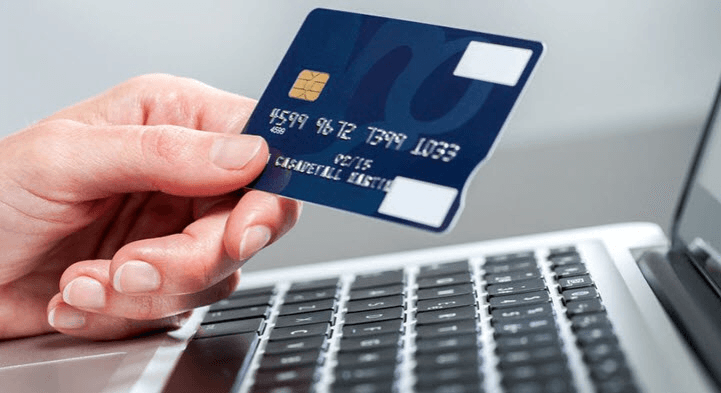
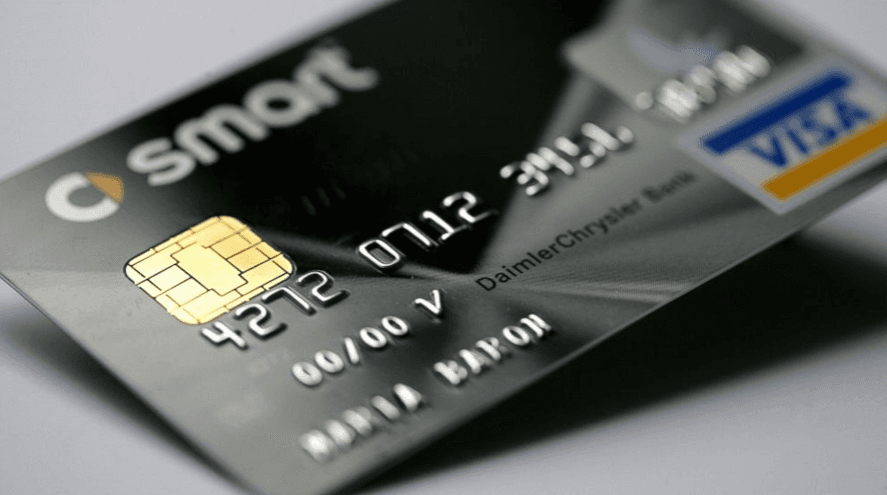
Illustration of a Card Not Present (CNP) online payment transaction

Credit Card

What Is a CNP (Card Not Present) Transaction?

CNP refers to a transaction made through a website or a company's own app payment page, where the card is not read by any device and its details are entered manually. It is short for Card Not Present.

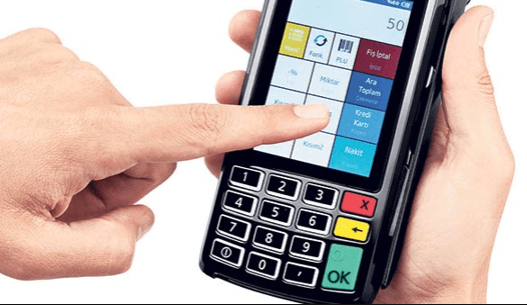
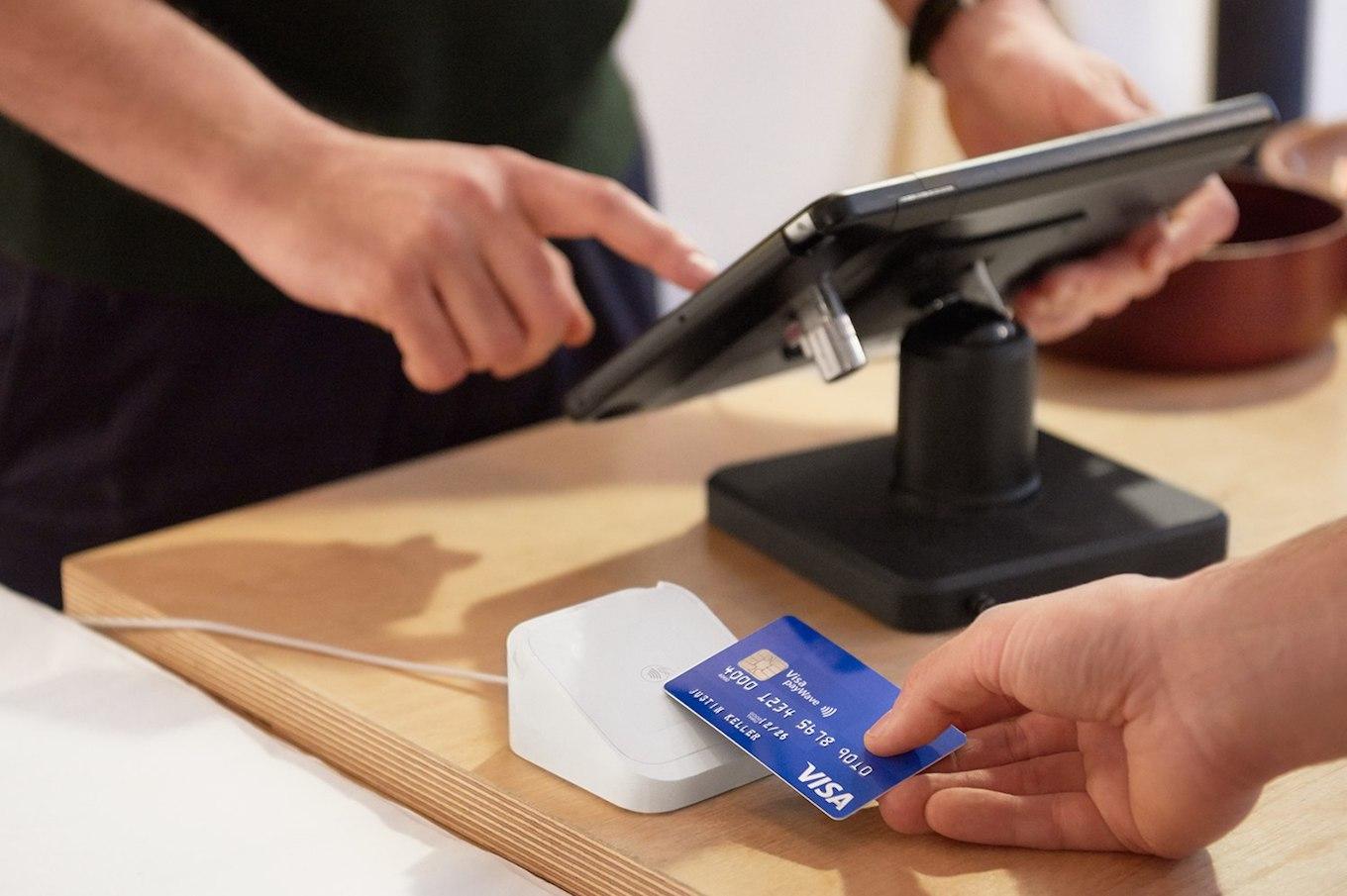
Close-up of a bank card's chip failing to be read by a POS terminal

Credit Card

What should I do if my card's chip isn't reading?

If your card's chip won't read, the chip data is likely corrupted or the POS's chip reader is faulty. This is usually caused by magnetic interaction with another card's chip.

Illustration representing a virtual card used for mail order and e-commerce payments

Credit Card

What is a Virtual Card?

A credit card number created based on a credit card, not physically printed, usable in all virtual purchases (mail order, e-commerce, etc.). It is generated instantly upon request, usable right away, created with a zero limit, and free of charge.

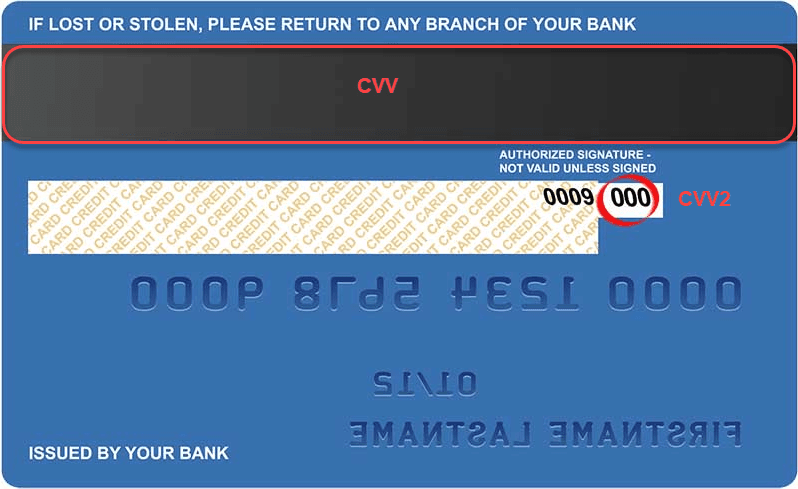
Comparison chart showing the differences between CVV and CVV2 security codes

Credit Card

What Is the Difference Between CVV and CVV2?

CVV (CVC) and CVV2 (CVC2) are two terms that cardholders often confuse. Both are used for verification in card transactions, but there are notable differences between them, such as where each is printed and which transactions use it.

Merchant choosing between a bank POS and a virtual POS service

Merchant & POS

Is it mandatory to work with a bank to get a POS terminal?

The answer depends on the type of POS terminal. A physical POS (GPRS, Dial-Up, IP, or cash-register POS) requires working with a bank. A virtual POS can also be obtained from a payment institution without a separate bank agreement.

Merchant and bank settlement process for POS transactions

Merchant & POS

How do banks work with merchants?

After a merchant applies to a bank and the required checks on the company are completed, a POS is connected to the customer. Settlement can be commission-based, held for a period, or both, depending on the agreement.

Diagram comparing the three levels of payment-card tokenization: static, semi-dynamic and dynamic

HCE

What Are the Levels of Tokenization?

Generating a token from the card number is essential to the security of payments made with mobile devices. The level of tokenization used depends on the need and on how critical the token is. Static tokenization: the token is generated once and stored in a database.

BKM Express mobile payment application illustration

Credit Card

What is BKM Express?

What is BKM Express? BKM Express is a technical infrastructure solution developed by BKM that lets you pay securely for online purchases without sharing your card's full details. What are the advantages of BKM Express? To register your card you don't need to enter all…

EMV chip card illustration

Online & Authorization

What is EMV?

EMV stands for Europay, Mastercard and Visa. In 1994 these companies formed a working group to set chip-card standards, leading to the EMV standards used worldwide today.