Skip to content

Search

"Merchant"

324 articles found

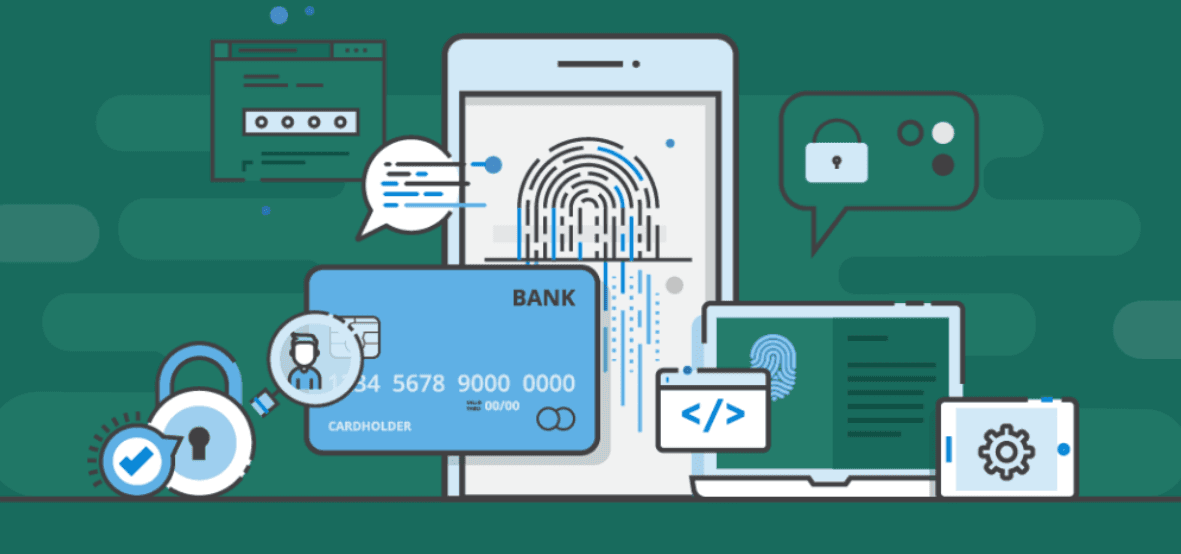
Illustration explaining what a non-secure e-commerce card transaction is

Payment Systems

What is a Non-Secure transaction?

A non-secure transaction is an e-commerce transaction approved without any verification before authorization, such as SMS OTP. In short, authorization is obtained by verifying only the card number, expiration date, and CVV2.

Credit card installment payment illustration

Credit Card

What Is Installment Payment?

Installment payment means dividing a product's price into a set number of equal amounts. For example, if a 100 TL product is bought in 5 installments, the cardholder pays 20 TL a month for 5 months, totaling 100 TL.

Diagram showing the BKM TechPOS merchant and POS management infrastructure

Merchant & POS

Is BKM TechPOS Advantageous?

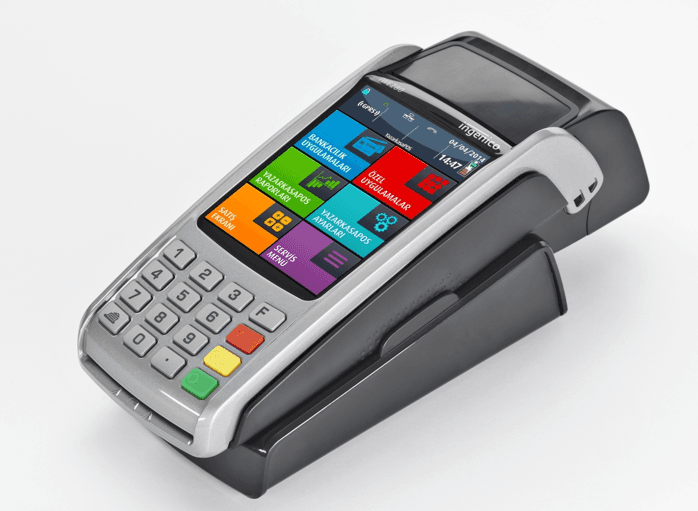
BKM TechPOS is a merchant and POS management infrastructure provided by BKM. Banks need to allocate physical/virtual/ECR POS terminals to merchants in order to establish a merchant relationship with their corporate or sole-proprietor customers.

Diagram illustrating BKM TechPOS shared POS infrastructure

Merchant & POS

What is BKM TechPOS?

BKM TechPOS is an infrastructure through which card acquirers and POS/cash register manufacturers can interoperate via BKM, letting all participating banks provide card acceptance services on a single device.

Illustration of a credit card installment payment plan

Credit Card

What is an installment?

An installment is when a credit card transaction is split into a fixed number of monthly payments to the bank. For example, splitting a 100 TL purchase into 5 installments means paying the bank 20 TL per month until the full amount is paid off.

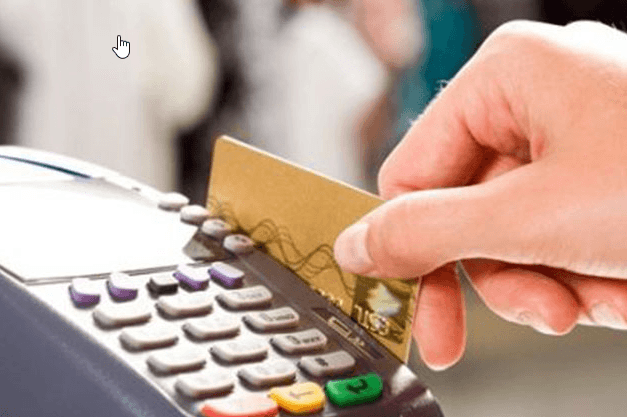
Contactless card payment at a POS terminal with the transaction limit raised to 120 TL

Merchant & POS

Contactless Transaction Limit Raised to 120 TL

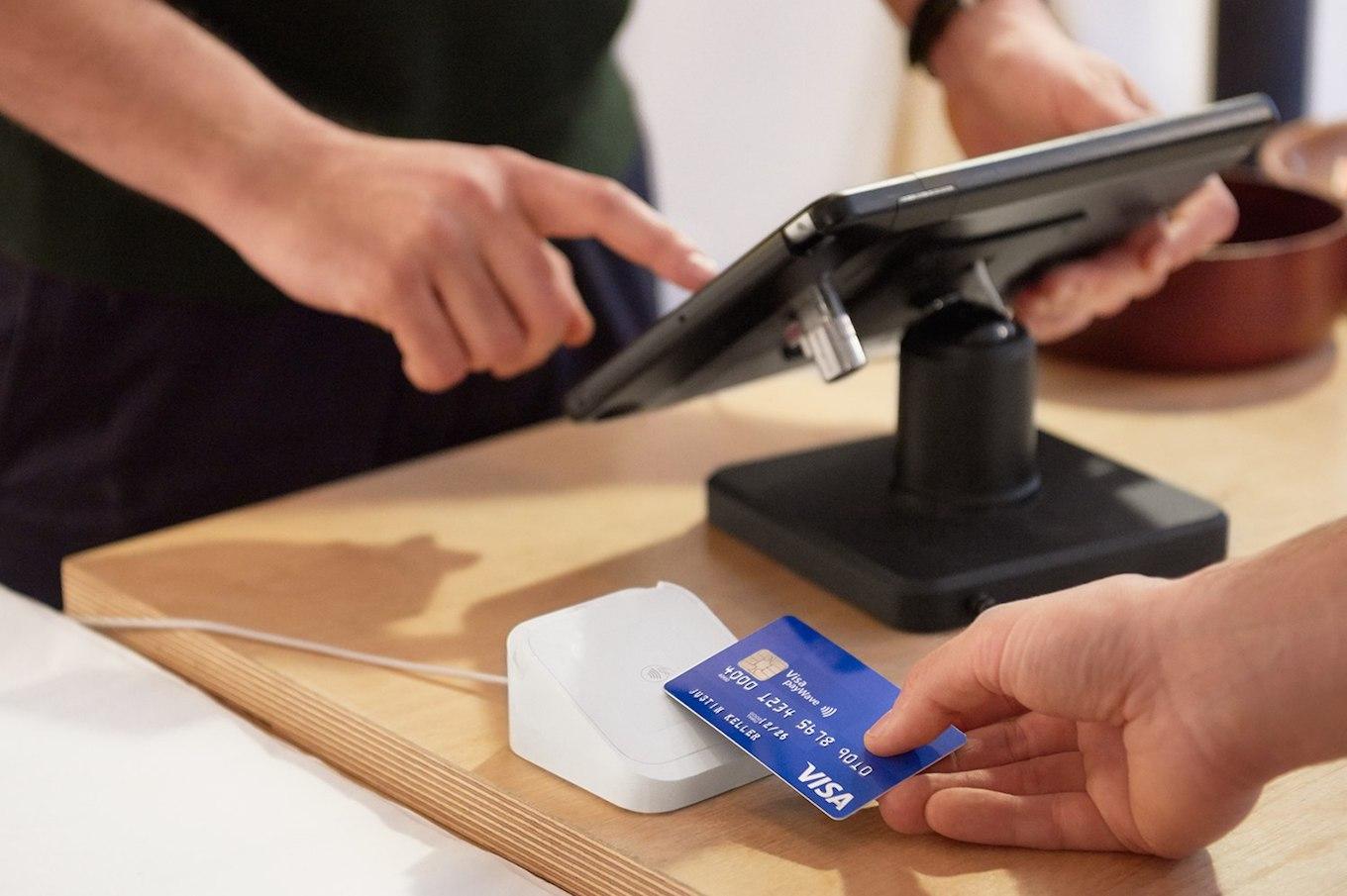
Per BKM data, 3 in 5 merchants accept contactless payments and 1 in 10 credit card transactions is contactless. From 1 August 2019, contactless payments by card or mobile device are allowed without a PIN up to 120 TL.

Diagram illustrating the soft chargeback retrieval request process between cardholder, issuer and merchant

Chargeback

What Is a Soft Chargeback?

A soft chargeback, also called a retrieval request, is a request for documents about a transaction the cardholder does not recognize. Learn why customers request them, what information merchants should provide, and why a fast response matters.

Illustration of a smartphone used as a mobile POS payment terminal

Merchant & POS

Are POS Terminals Becoming Obsolete?

Today, as credit cards shift from physical to virtual use, a similar move has come from the POS side. We have begun to see mobile phones used as POS devices becoming a serious rival to physical POS terminals.

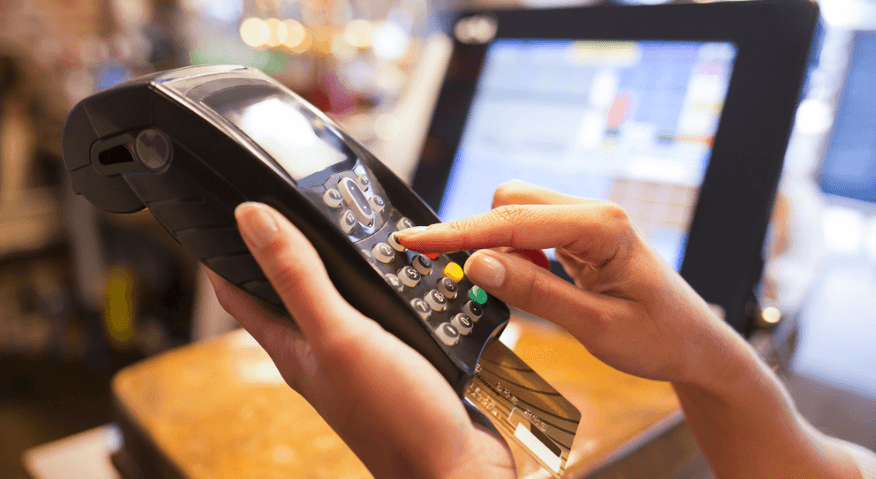
Merchant calling the bank from a POS terminal to report a suspicious Code 10 transaction

Merchant & POS

What is a Code 10 message?

Code 10 is when a merchant suspects the cardholder or the card is counterfeit and calls the card's bank, which then verifies the transaction with the merchant's bank. If staff suspect a card or cardholder, they should call the bank immediately.

Illustration representing credit card fraud and online payment security risks

Fraud

What is Fraud? What are the Types of Fraud?

With the growth of credit and debit card usage and rising e-commerce transaction volumes, there has been a serious increase in exploiting user negligence to harm customers. Fraud means using someone else's card at a merchant or ATM to gain unjust profit.

Credit card reward points campaign expiry illustration

Credit Card

How Should We Approach Time-Limited Campaigns? (2)

Ali joined a bank's “shop 4 times at merchant X and earn Y TL” campaign. Fifteen days after being told 40 TL had been loaded onto his card, the merchant told him he had no points left. Here is what went wrong.

Business owner reviewing the documents required for a POS merchant application

Merchant & POS

Can I get a POS device as an individual customer?

For a POS device to be issued to a customer, the customer must have a legal entity status, such as a sole proprietorship, commercial company, or foundation/association. POS devices cannot legally be issued to individual customers.