Credit Card
What Is Application Label?
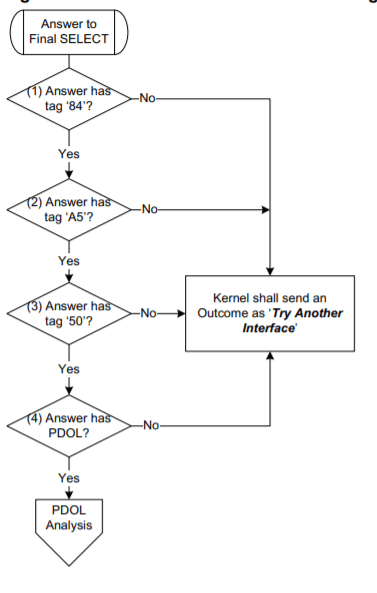
A mandatory alphanumeric field, 1-16 characters, sent in tag 50 of EMV transactions, representing a name related to the card application's AID in the ADF.
Search
111 articles found
Credit Card
A mandatory alphanumeric field, 1-16 characters, sent in tag 50 of EMV transactions, representing a name related to the card application's AID in the ADF.

Credit Card
The service code is information printed on a card's Track 1 and Track 2 data, covering card type, PIN usage, and domestic/international usage status. It is kept at the product level in bank systems.
Security
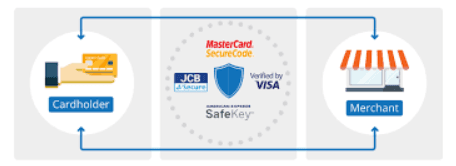
Access Security Control (ACS) is the security protocol that the card-issuing bank must maintain under the 3-D Secure protocol to support cardholder authentication. 3-D Secure is an XML-based protocol that adds an extra security layer to online card payments.
Security
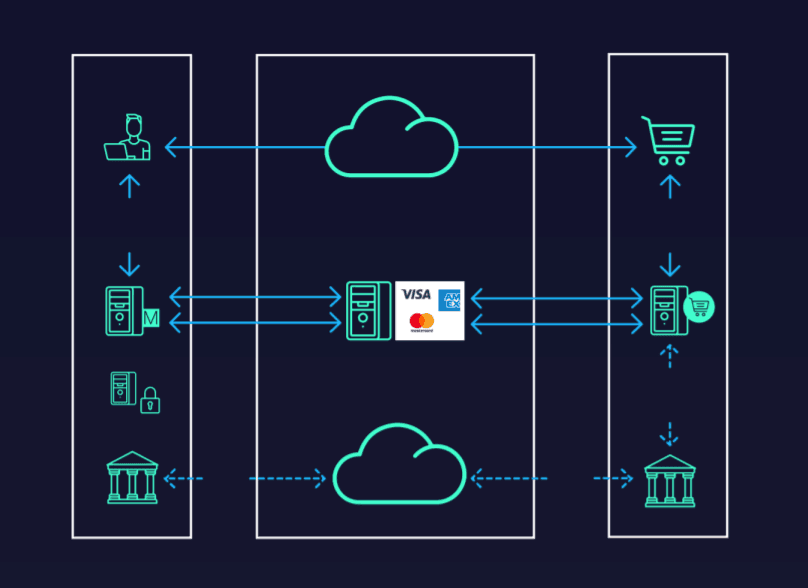
Access Security Control (ACS) is the security protocol that the card-issuing bank must maintain in 3-D Secure to support cardholder authentication, functioning as a complete authentication solution for issuers and payment processors.
Credit Card
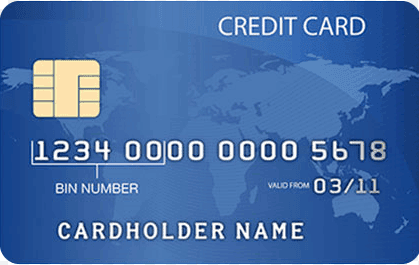
Banks increase the variety of their products and services to serve customers better. When introducing new products, they usually issue them under a new BIN. So are there valid rules for obtaining a new BIN (Bank Identification Number)?

Merchant & POS
CAVV and AAV are verification codes used in 3D Secure transactions to ensure transaction integrity and security. CAVV is used by Visa, while AAV is used by Mastercard.

ISO 8583
F32 - ACQUIRING INSTITUTION IDENTIFICATION CODE: the 11-digit acquirer bank ID. The values it can take for domestic transactions and by card brand include Visa, MasterCard, UnionPay, Discover and JCB formats.

Clearing
In card transactions via POS/ATM, when the card-issuing bank differs from the POS/ATM bank (Not Onus), the transaction is subject to clearing. Below, POS can also mean ATM. Is the clearing system a single type? No...
Credit Card
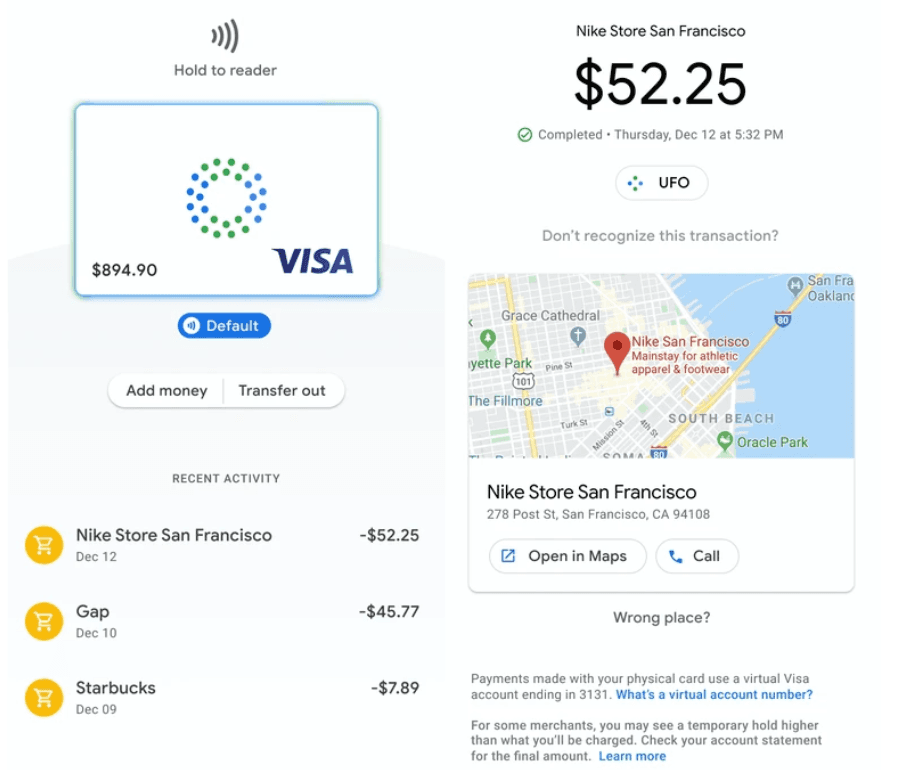
After Apple Card, announced last March to great fanfare, Huawei said it would issue a card too. Google has now joined the race among tech companies by announcing a new card of its own.
Online & Authorization
The Application Version Number is the version number of the application on the card. For example, the Visa VSDC application version number is 131, and the Mastercard M/Chip Lite version number is 2.

Credit Card
First, let's briefly explain CVV/CVC. CVV stands for Card Verification Value, a term used for Visa. CVC stands for Card Verification Code, a term used for MasterCard. The CVV/CVC code is used for cardholder verification and to reduce fraud risk.
Security
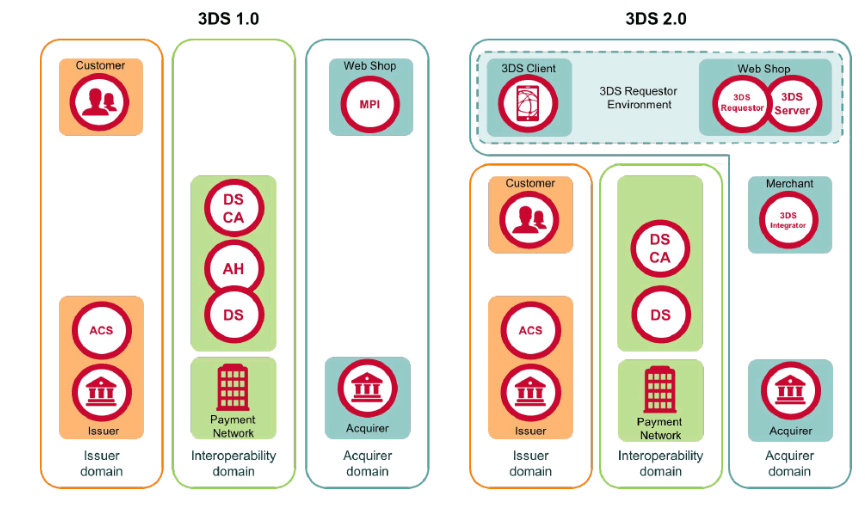
Before 3D Secure 2.0, let's explain what 3D Secure is. 3D Secure is a two-layer payment authentication system that protects both the cardholder and the merchant in online payments. First released by Visa in 1999, it was later adopted by other card schemes…