Skip to content

Search

"online banking"

158 articles found

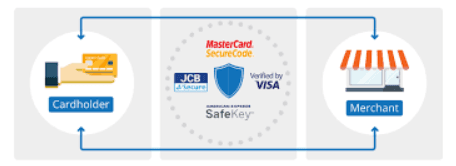
Diagram illustrating the Access Control Server (ACS) role in the 3-D Secure authentication protocol

Security

How can I find the list of Access Security Control (ACS) companies?

Access Security Control (ACS) is the security protocol that the card-issuing bank must maintain under the 3-D Secure protocol to support cardholder authentication. 3-D Secure is an XML-based protocol that adds an extra security layer to online card payments.

Illustration of ISO 8583 message format

ISO 8583

ISO 8583 Field Descriptions (F35)

F35 TRACK-2 DATA: The values printed to the card's Track 2 data in ISO 7813 format, including field separators and start/end sentinels, but excluding LRC (Longitudinal Redundancy Check) characters. It is 37 characters long.

Diagram of internet banking security showing a login screen protected by a padlock

HSM & Security

What Should Be Done to Ensure Internet Banking Security?

In the past, banking meant going to a branch. Today, most transactions run through channels such as the Internet Branch, ATM and Mobile Branch, so improving internet banking security and regularly informing customers about it is important.

Diagram explaining how an offline chip card transaction is approved without contacting the bank

Merchant & POS

What Is an Offline Transaction?

When a chip card transaction is made at a POS, it may be approved by the card and the POS alone, without reaching any system (issuer or acquirer). When do the issuer and acquirer find out about it?

Diagram of the chargeback process between cardholder, issuer and acquirer

Chargeback

How to Reduce Chargebacks (For Cardholders)

A chargeback is when a cardholder asks the issuing bank to refund a transaction made without their knowledge. It cannot be prevented entirely, but simple precautions can minimize the risk. Here is how the process works and what cardholders should do.

Diagram of a partial authorization where an issuer approves only part of the requested amount

Merchant & POS

What Are the Partial Authorization Requirements for an Acquirer Bank?

Partial authorization lets an issuer approve part of the requested amount when the card lacks the full balance, with the rest paid another way. This post covers the technical, receipt, clearing, reconciliation, merchant and certification requirements for acquirers.

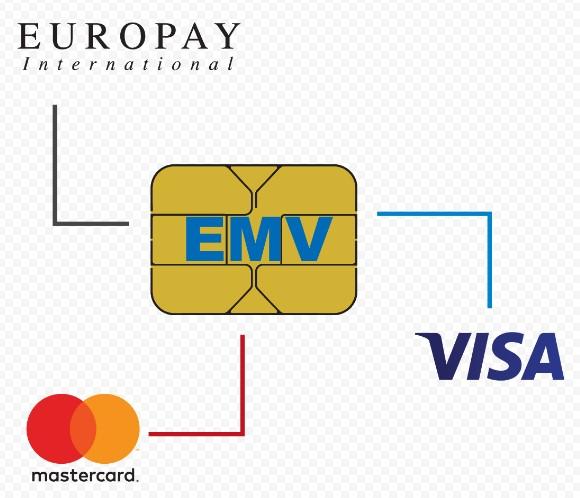
EMV chip card illustration

Online & Authorization

What is EMV?

EMV stands for Europay, Mastercard and Visa. In 1994 these companies formed a working group to set chip-card standards, leading to the EMV standards used worldwide today.

Open banking illustration representing payment services data sharing APIs between financial institutions and third-party providers

Payment Systems

Guide on Data Sharing Services in Payment Services Published

Open banking opens financial data, under the regulations and with the customer's explicit consent, to third-party service providers through standard APIs. The CBRT has published a guide on payment initiation and account information services, covering licensing and technical certification.

Illustration showing the consequences of entering an incorrect CVV2 code in an online transaction

Credit Card

What happens if I enter CVV2 incorrectly in my online transactions?

With the advancement of technology, the use of credit cards in online transactions and the variety of payment methods have increased. To make an online transaction with a credit card, you need: Card Number, Expiration Date, and CVV2 (the 3-digit number on the back of the card).

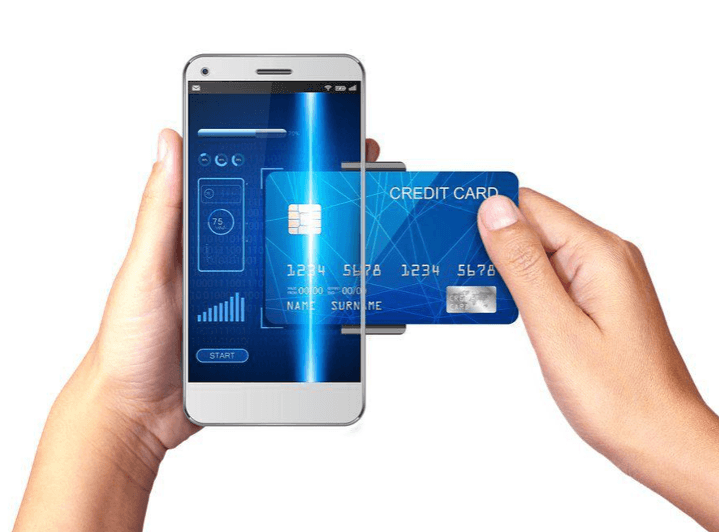
Smartphone being used as a mobile POS device for a card payment

Merchant & POS

Mobile Phones Are Turning Into POS Devices

With advances in technology, mobile phones can now be used for many functions besides calls and internet access. One such innovation is the ability to use smartphones or tablets as POS devices.