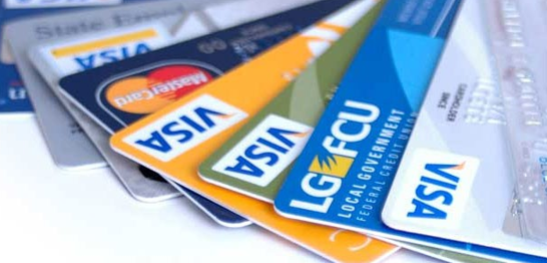
With the advancement of technology in particular, the use of credit cards in online transactions and the variety of payment methods have also increased.
To carry out an online transaction with a credit card, the following are required:
- Card Number
- Expiration Date
- CVV2 (the 3-digit number on the back of the card) - entering this information is mandatory.
So what happens if we enter our card's CVV2 information incorrectly during a transaction?
Banks generally track the number of CVV2 attempts on a per-card basis, and also keep the maximum number of attempts in the system. When a card's CVV2 attempt count reaches the maximum, the bank temporarily blocks the card to prevent risk.
The customer can have their card reactivated by verifying their identity through the bank's alternative distribution channels, or have the CVV2 attempt count reset.
Bank applications generally work as follows:
- When the customer has their card reactivated, the CVV2 attempt count is reset, or
- When the customer resets the CVV2 attempt count, the card is automatically reactivated.
So why does the CVV2 attempt count exist, and why is it checked?
CVV2 is a 3-digit number and can have a maximum value of 999. If the other information on our card is known, authorization could be obtained using 999 different variations. Checking this kind of sensitive data used for authorization and taking action accordingly are matters given close attention in banking.



