Skip to content

Search

"CVV"

37 articles found

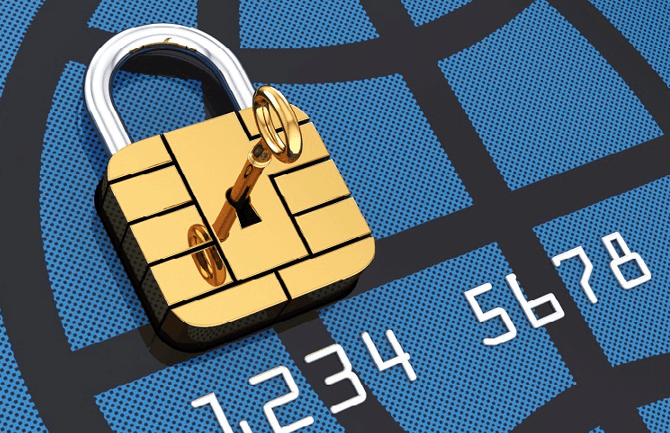
Illustration explaining how a card's CVV value is generated

Credit Card

How is CVV generated?

CVV is a very critical 3-digit value used during a card's authorization process. The CVV value is encoded in the card's magnetic stripe data (Track 1 and Track 2). Is it generated by an algorithm or chosen at random?

Credit card showing CVV security code location

Credit Card

Can a Card Have CVV Printed on Both Sides?

Yes. American Express cards have a 4-digit CVV on the front and a 3-digit CVV on the back, like other cards. Here's how payment forms should handle both formats and why logging the security code is never allowed.

Deutsche Bank Tarjeta Calma credit card featuring dynamic CVV technology

Credit Card

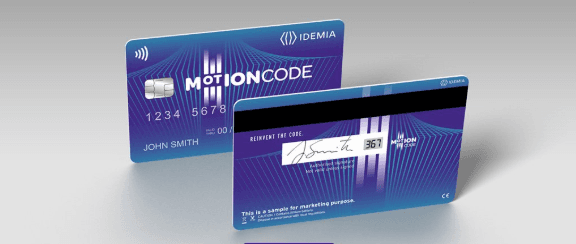
Deutsche Bank produces a card with a CVV that changes every 4 hours

Germany-based Deutsche Bank is launching a new credit card in Spain with a dynamic CVV code that changes every four hours, to make online shopping more secure. Deutsche Bank partnered with Mastercard and Idemia for the new card, launched under the Tarjeta Calma brand.

Comparison chart showing the differences between CVV and CVV2 security codes

Credit Card

What Is the Difference Between CVV and CVV2?

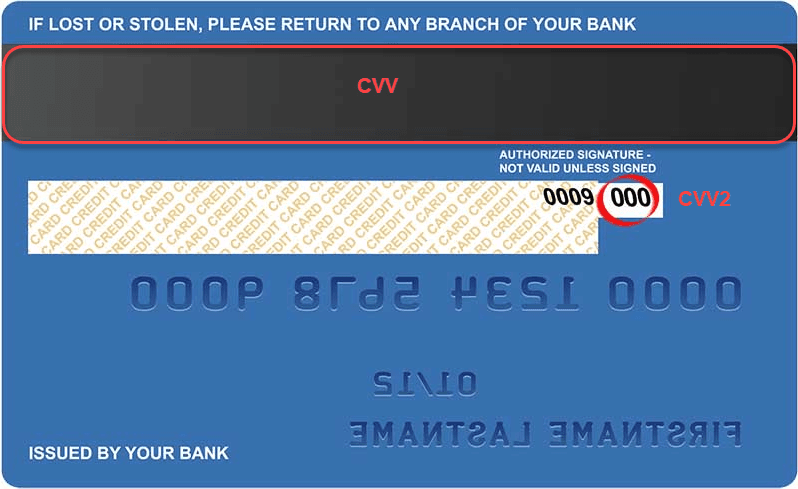
CVV (CVC) and CVV2 (CVC2) are two terms that cardholders often confuse. Both are used for verification in card transactions, but there are notable differences between them, such as where each is printed and which transactions use it.

Diagram explaining how the CVV/CVC code is generated and verified on payment cards

Credit Card

What is CVV/CVC?

CVV is short for Card Verification Value, a term used by Visa. CVC is short for Card Verification Code, a term used by MasterCard. The CVV/CVC code is used for cardholder verification and to reduce fraud risk.

Comparison of CVV security code locations on a standard card and an American Express card

Credit Card

Is the CVV/CVC Code Always 3 Digits?

First, let's briefly explain CVV/CVC. CVV stands for Card Verification Value, a term used for Visa. CVC stands for Card Verification Code, a term used for MasterCard. The CVV/CVC code is used for cardholder verification and to reduce fraud risk.

Credit card with digital security code animation

Credit Card

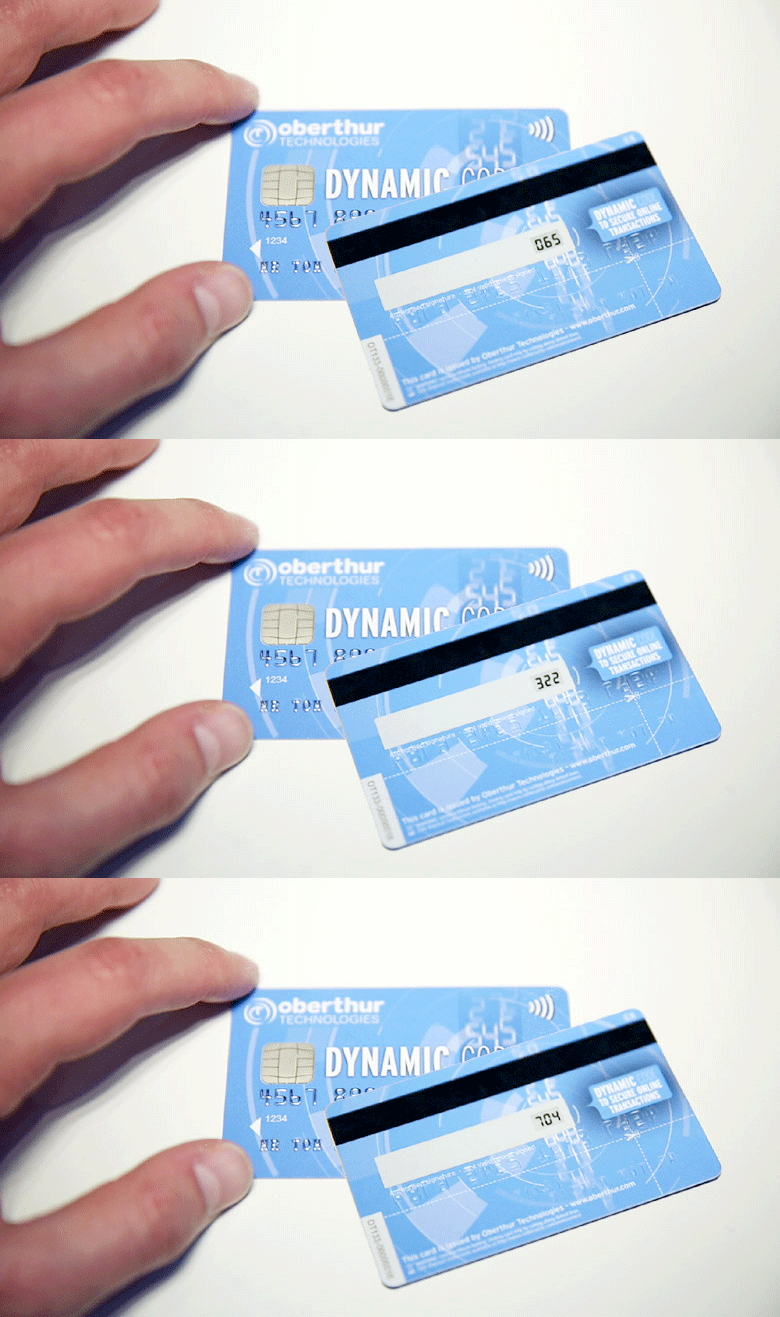
What is dCVV2?

Most of us are familiar with CVV2/CVC2 - the security code on the back of a card, usually three digits. So what is dCVV2? Here's how dynamic CVV technology works and why Visa introduced it for online payments.

Apple Card and Apple Pay announcement graphic from Apple's Special Event

Credit Card

Apple Is Rewriting the Card World...

Most of us remember the impact the first iPhone, introduced by Steve Jobs on January 9, 2007 and revolutionary for its time, had on our lives. In a similar way, a product that will completely change how we use and view credit cards...

Diagram showing how the iCVV code is generated for EMV chip cards

Credit Card

What Is iCVV? How Is It Generated?

iCVV stands for Integrated Circuit Card Verification Value. To prevent fraud, it is a CVV value generated similarly to the card's track data and stored on the card's chip. Visa uses the term iCVV; MasterCard and American Express use their own equivalents.

Diagram illustrating the Track 1 data structure and field layout on a magnetic stripe card

Credit Card

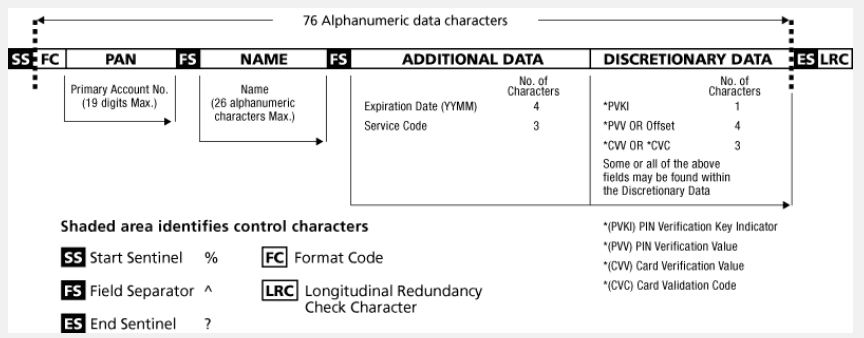
What is Track 1?

Track 1 is a special data set encoded on a card's magnetic stripe that contains the card information required for authorization when the card is used physically. It includes the cardholder name, card number, and expiration date.

Illustration of an e-commerce checkout page with card payment fields

Merchant & POS

How Important Is the Checkout Page in Payments?

The checkout page is where an online purchase is completed, and cart abandonment is highest there. This post lists design tips: support all cards, limit transition pages, show security cues, allow guest checkout and remove distractions.