Skip to content

Search

"Dynamic Limits"

16 articles found

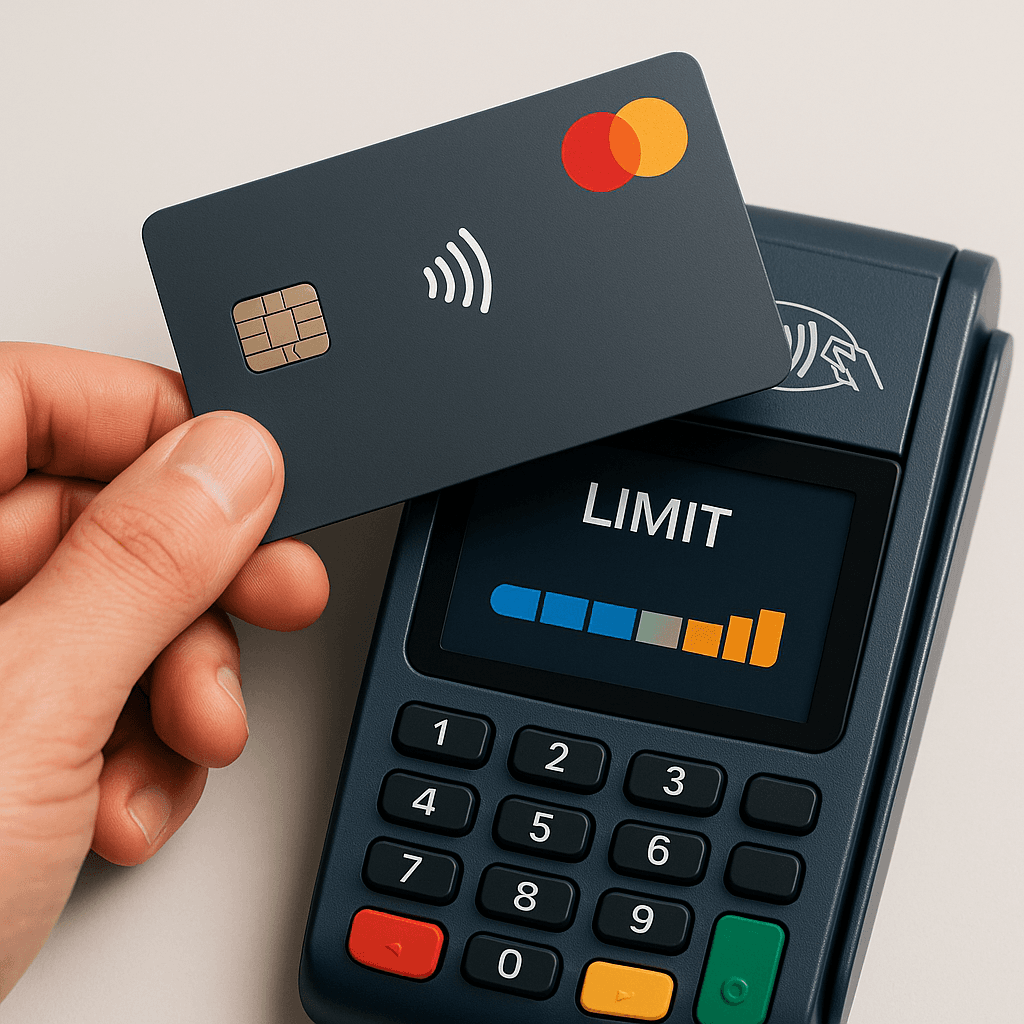
Illustration of dynamic CVM limit management for contactless card payments

Payment Systems

Dynamic CVM Limit Management Approach: A New Era in Card Security

One of the most notable recent developments in card payments is that contactless limits are no longer fixed and can be managed dynamically per customer. Mastercard and Visa are taking different but complementary approaches, and ISO 8583 may need to evolve with them.
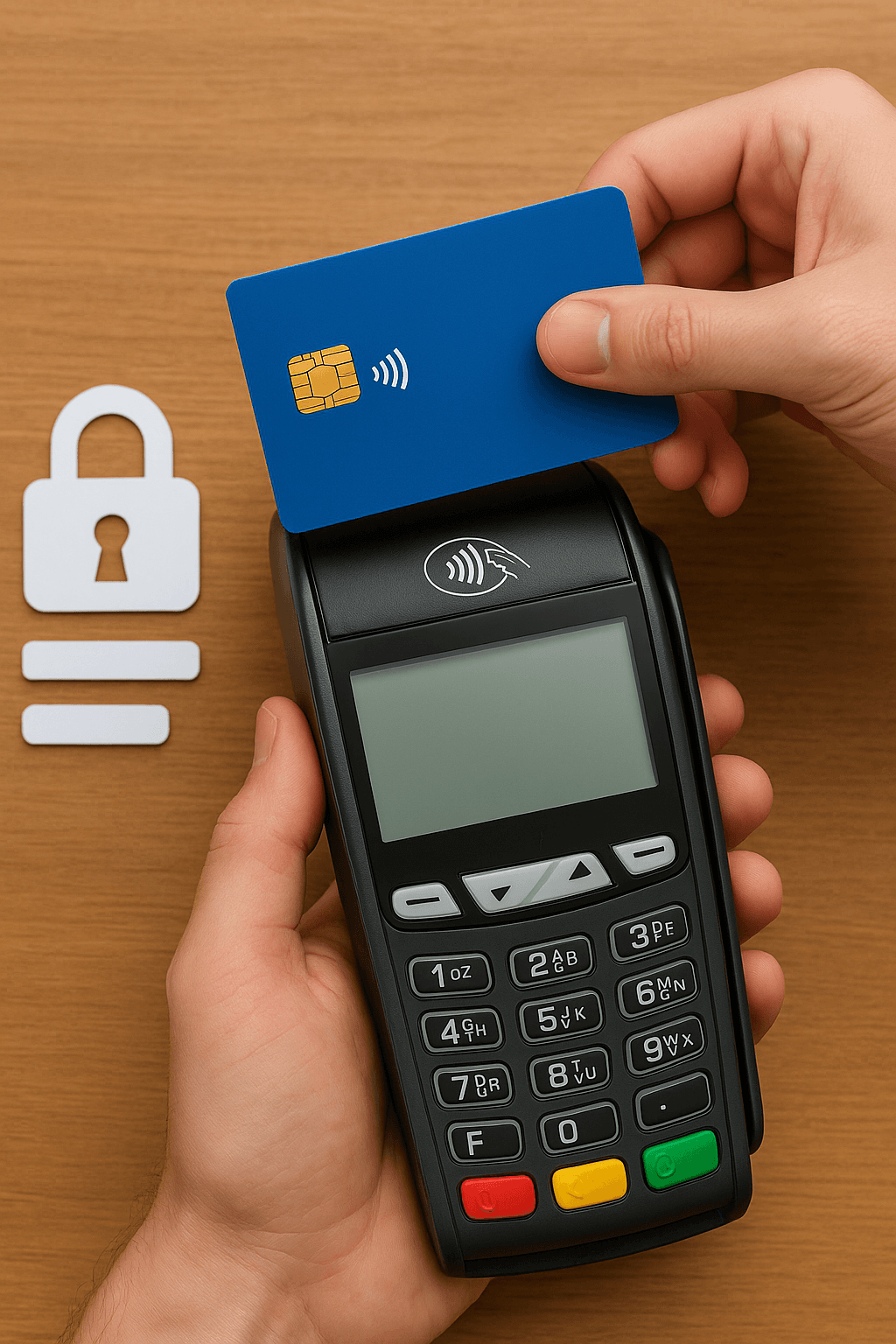

Illustration of customer-based contactless card limit management

Payment Systems

Can a Card's Contactless Limit Be Managed on a Per-Customer Basis?

Contactless payment has greatly improved the user experience, yet its fixed transaction limit is a common complaint. Can this limit be managed dynamically per customer? This post covers the current situation, technical and regulatory requirements and the outlook.

Illustration of an AI-based payment agent making payments automatically on behalf of a user

Payment Systems

What Are AI-Based Payment Agents?

Digitalization keeps changing the speed and shape of payments. AI-based payment agents pay on their own within user-defined limits and rules, completing transactions without the user initiating any action. This post explains how they work and what to watch for.

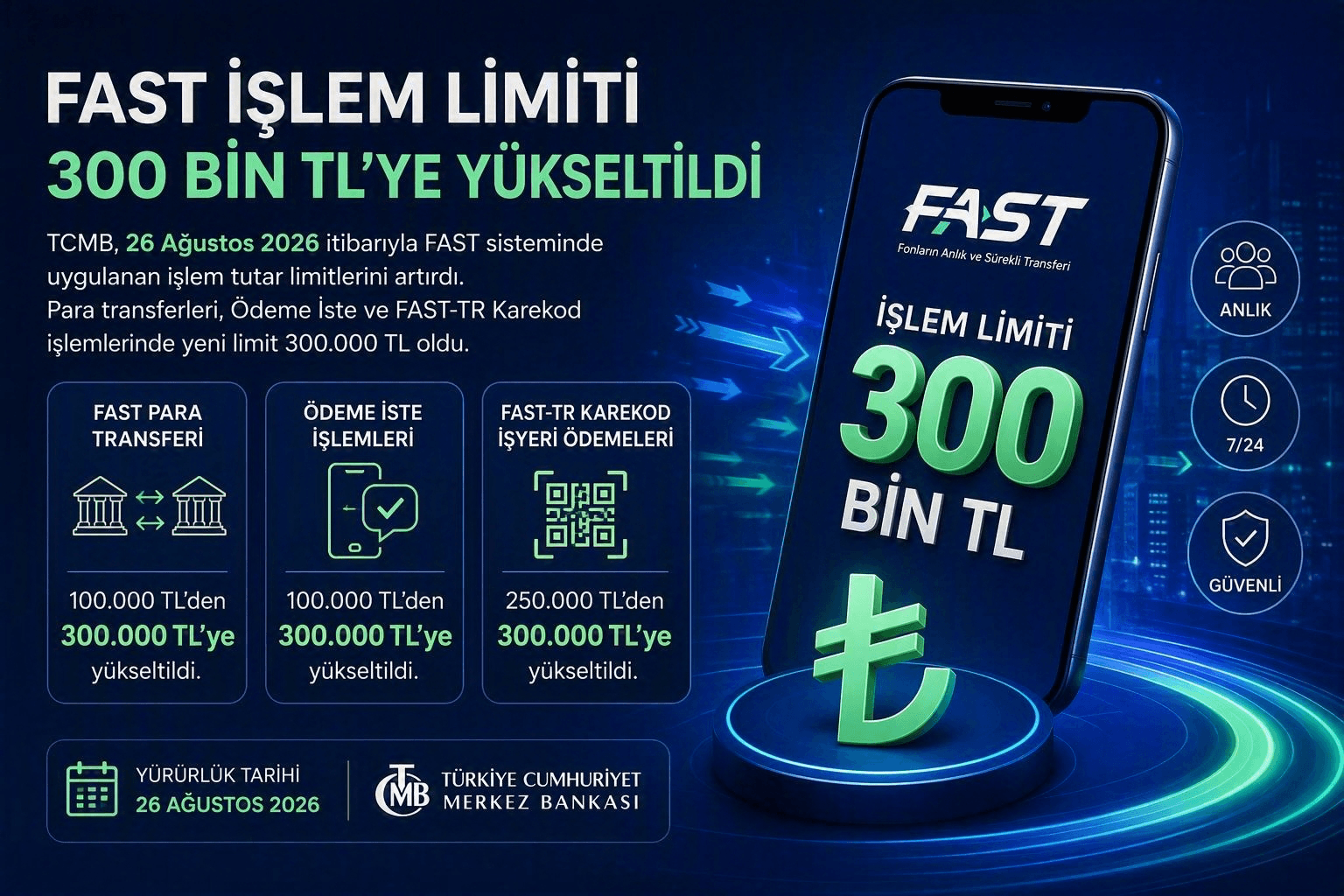
Announcement graphic about the increase in FAST transaction amount limits by the CBRT

FAST

FAST Limit Is Being Increased

The CBRT has raised the FAST transaction amount limits. As of 4 April 2024, the limit is 100 thousand TL for money transfers and 250 thousand TL for merchant payments made with the FAST-TR QR code.

FAST instant payment limit raised to 50,000 TL

FAST

FAST Limit Raised to 50,000 TL

The upper limit for FAST transactions, which enable fast money transfers between banks, was raised to 50,000 TL per transaction as of 21 December 2023.

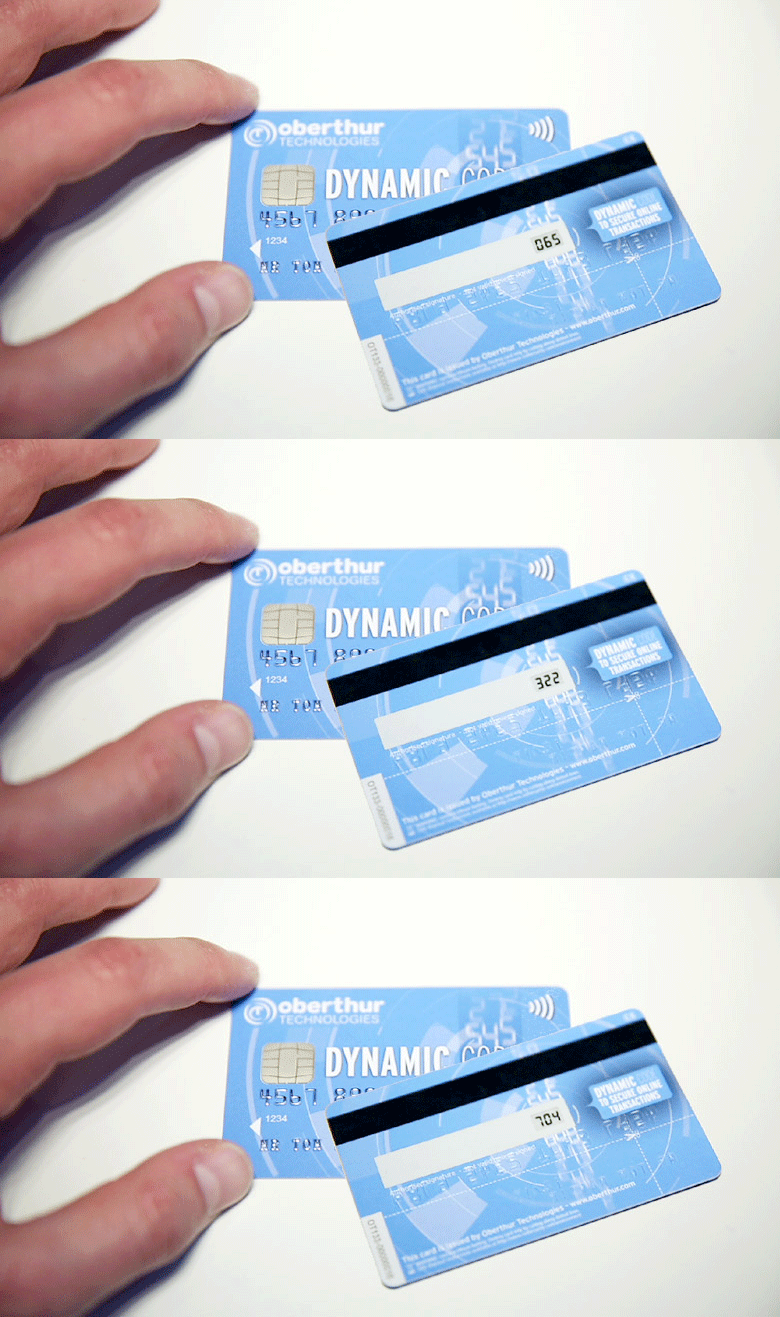
Animated illustration of a credit card representing dynamic security code technology

Credit Card

What is a Dynamic Card Security Code (CSC)?

It is a CVV2/CVC2 code that changes every few minutes instead of the static code printed on the back of a credit card, aimed at reducing fraud risk in CNP (Card Not Present) transactions.

Diagram showing the structure of the Card Verification Results (CVR) data element

Credit Card

CVR (Card Verification Results)

CVR (Card Verification Results) refers to the results of checks performed on the card. In short, it can be described as keeping the card's transaction log. BYTE 1 Bit 8-7: 00 = The second GENERATE AC command returned an AAC cryptogram (decline)...

Diagram showing the EMV chip card static data authentication (SDA) process

EMV

What is a Data Authentication Code (DAC)?

DAC is the abbreviation for Data Authentication Code. It is a piece of data assigned by the issuer and held by the terminal during the Signed Static Application Data verification process.

Illustration representing the products and services KKB offers directly to its member institutions

Credit Card

What Products and Services Does KKB Offer Directly to Members?

KKB was established, under banking law, to enable the exchange of all kinds of information and documents among at least five banks, and it also shares credit information about customers. The Credit Bureau of Turkey also serves deposit banks, participation banks, financial institutions, and more.

Diagram illustrating the EMV Tag-Length-Value (TLV) data structure used in card transactions

Online & Authorization

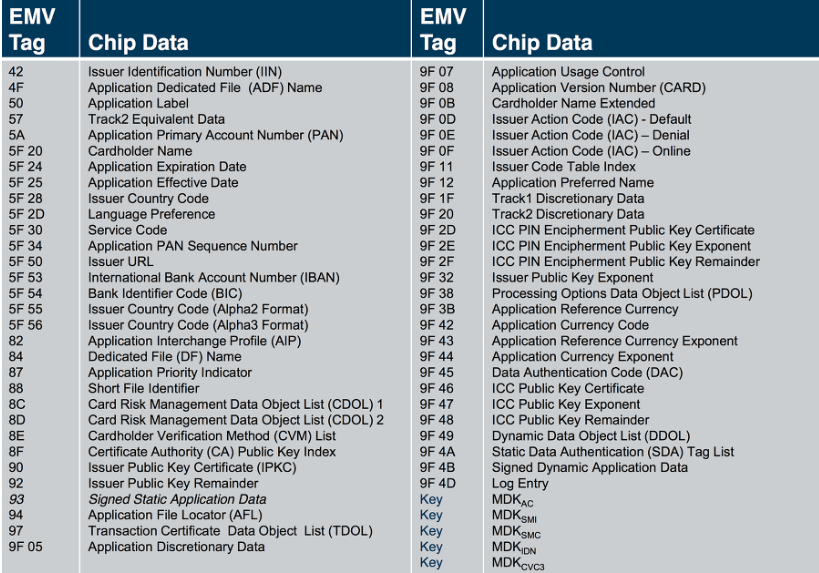
What are EMV Tags?

In EMV, data is stored in Tag-Length-Value (TLV) format, and it is carried between the card, the POS terminal, and the authorization system in this same format. This post lists every EMV Tag, its type, and its description.