Skip to content

Search

"Local Master Key"

5 articles found

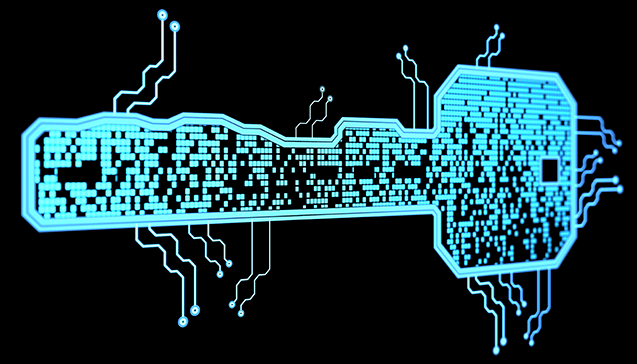
Diagram illustrating the Local Master Key (LMK) concept in an HSM

HSM & Security

LMK (Local Master Key)

LMK stands for Local Master Key. The Local Master Key (LMK) is the HSM's master key, and all other keys used by the institution are secured under this key. As transaction volume increases, banks often use multiple HSMs to reduce the load on each device.
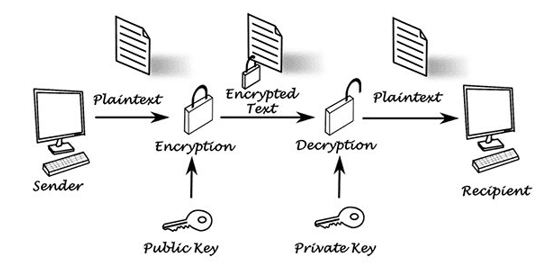
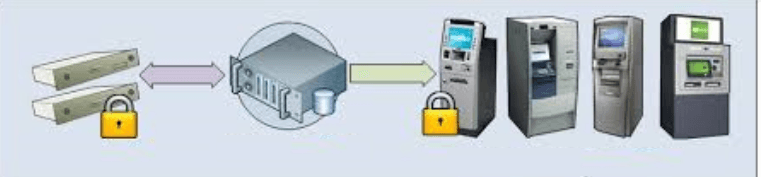
Diagram of symmetric key types used in payment systems

HSM & Security

Types of Symmetric Keys

In the world of payment systems, keys and their uses are important for transferring information from one place to another, storing information, and securing authorization and scripting steps. Key types are divided into six categories based on their purpose.

Illustration of a Terminal Master Key (TMK) securing a payment terminal

HSM & Security

What is TMK (Terminal Master Key)?

TMK stands for Terminal Master Key, a key-encrypting key distributed manually or automatically under a previously established TMK. It is used to distribute data encryption keys to an ATM or POS terminal within a local network.

Diagram illustrating the Remote Key Loading (RKL) process

ATM

What Is RKL (Remote Key Loading)?

RKL is the process of distributing a TMK (Terminal Master Key) to each terminal from a central point. It is used to remotely load keys onto POS and ATM devices, loading TMKs onto an ATM's keypad or activating them on a POS.

Diagram illustrating Terminal PIN Key (TPK) usage in POS and ATM devices

HSM & Security

What is TPK (Terminal PIN Key)?

TPK stands for Terminal PIN Key. It is a data encryption key used to encrypt PINs for transmission between a terminal and the terminal's bank (acquirer) within a local network. Learn how TPK is used in POS and ATM devices.