Skip to content

Search

"PIN verification"

60 articles found

Illustration representing the PIN Verification Key (PVK) concept in HSM security

Credit Card

What is PVK (Pin Verification Key)?

PVK (Pin Verification Key) is a key held on the HSM, used in PIN generation and verification, and therefore to confirm that a PIN is correct. On a shared network it is encrypted under TMK or ZMK; on a local network it is encrypted under one of the LMK pairs.


Diagram explaining PVKI and PVV calculation in card PIN verification

Credit Card

What Is PVKI (PIN Verification Key Index)?

PVKI is the abbreviation for PIN Verification Key Index. It is located within the card's Track 1 and Track 2 data and is used in PVV calculation. It can take values from 1 to 6, usually defaulting to 1.

ATM PIN pad used for entering a card PIN

ATM

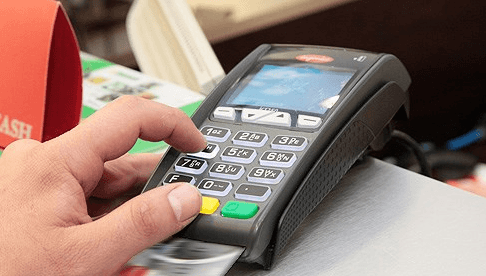
How is PIN verification performed at an ATM?

At payment points such as ATMs and POS terminals, the most critical step is PIN verification or verifying the customer through their identity information. However, since ATMs cannot verify a customer's identity, PIN verification becomes more important. So how is it performed?

Payment card illustrating magnetic stripe data used for PIN verification

Credit Card

What is PVV (PIN Verification Value)?

PVV is the number encoded on a card's magnetic stripe that allows the cardholder's PIN to be verified by ATMs and POS terminals. It is a 4-digit cryptogram calculated through a cryptographic operation using the PIN and card data. The real result is longer than 4 digits.

Close-up of a payment card chip, illustrating EMV cardholder verification

Online & Authorization

Cardholder Verification in EMV (CVM)

Cardholder verification in EMV is specific to chip cards. One goal of EMV is to minimize card fraud. To do this, three parties must be verified: the bank, the cardholder, and the terminal. One of the data items taken from the card to prove identity is...

PIN pad device connected to a POS terminal

Merchant & POS

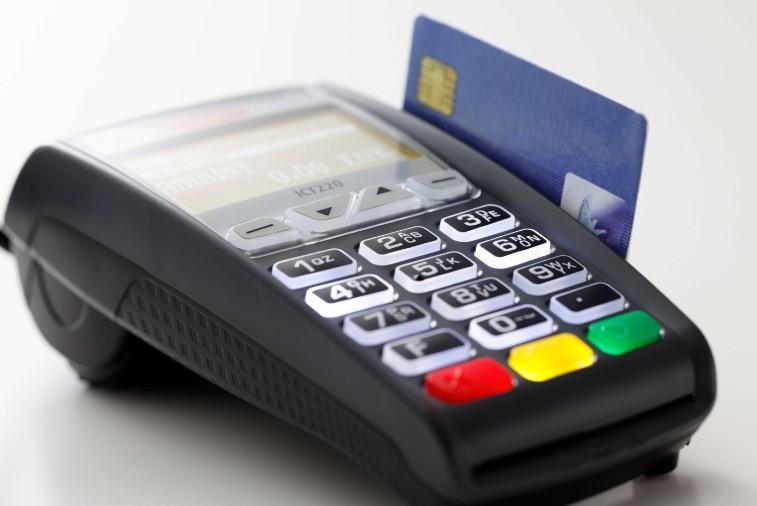
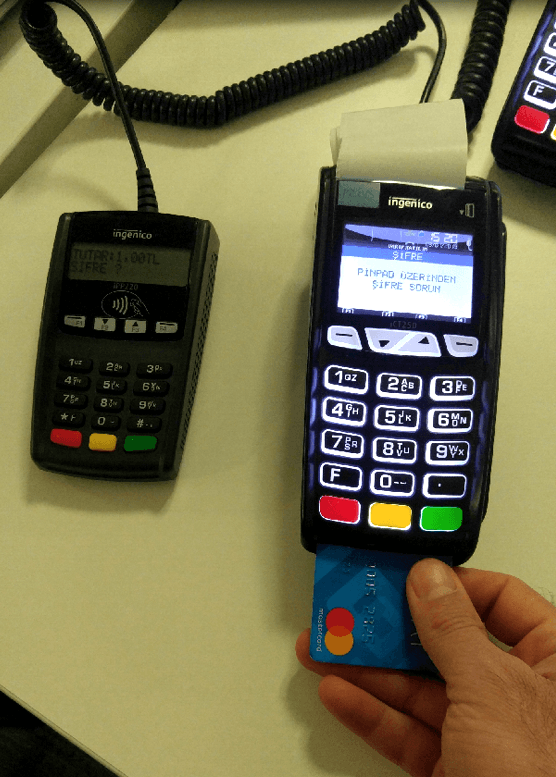
What Is a PIN Pad Device?

A PIN pad lets cardholders safely enter their PIN during POS transactions and lets contactless cards be tapped to transfer card data to the POS. Here is how it works.

Diagram illustrating the Track 1 data structure and field layout on a magnetic stripe card

Credit Card

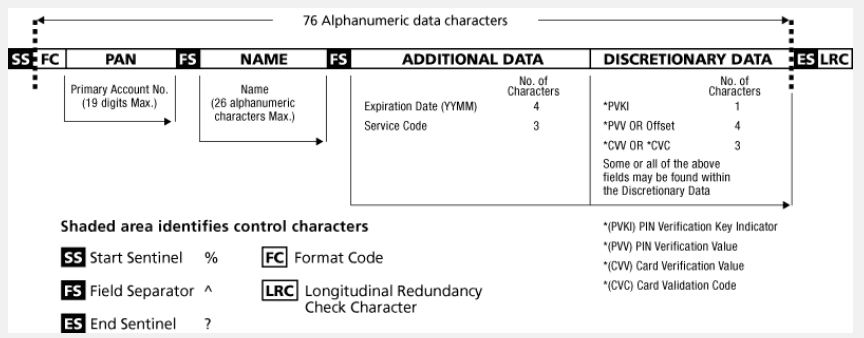
What is Track 1?

Track 1 is a special data set encoded on a card's magnetic stripe that contains the card information required for authorization when the card is used physically. It includes the cardholder name, card number, and expiration date.

Diagram illustrating the PIN Try Counter concept on a payment card chip

Credit Card

What Is PIN (Personal Identification Number) Try Counter?

The PIN Try Counter is a value stored on the card's chip showing the number of remaining offline PIN attempts. Each incorrect offline PIN entry decreases it by 1, and it resets when the correct PIN is entered.

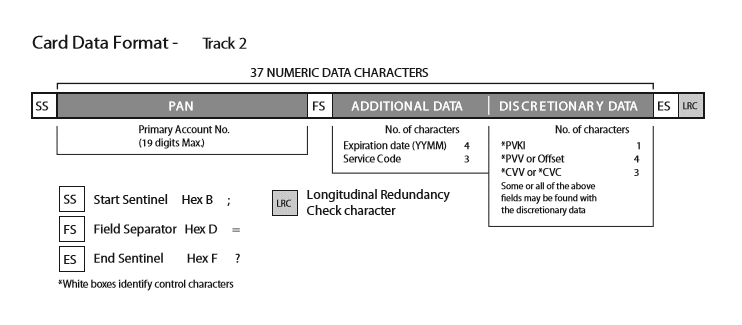
Diagram illustrating the structure of Track2 data on a card's magnetic stripe

Credit Card

What Is Track2?

A special data set printed on a card's magnetic stripe, containing the card information required for authorization when the card is used physically. It consists of 40 numeric characters. The Track2 field structure includes several data fields such as length and description.

Diagram showing the structure of the Card Verification Results (CVR) data element

Credit Card

CVR (Card Verification Results)

CVR (Card Verification Results) refers to the results of checks performed on the card. In short, it can be described as keeping the card's transaction log. BYTE 1 Bit 8-7: 00 = The second GENERATE AC command returned an AAC cryptogram (decline)...

Diagram illustrating the card authorization process

Merchant & POS

What Happens During Authorization?

Today, credit cards play an important role in our daily lives. We can carry out almost all of our transactions without carrying cash, using our credit card instead. During a purchase, we hand our card to the cashier and enter our PIN at the POS terminal.

Photo of a POS terminal related to EMV Issuer Action Code settings

Online & Authorization

Issuer Action Code (IAC)

These are codes that communicate the issuer's conditions for approving a transaction online (IAC-Online), for declining it (IAC-Denial), or for declining it when the terminal cannot go online (IAC-Default).