Fraud
What Are the Types of Fraud Controls?
Fraud controls fall into two main types: application fraud controls, which check card and merchant applications, and transaction fraud controls, which monitor card and POS transactions.
Search
39 articles found
Fraud
Fraud controls fall into two main types: application fraud controls, which check card and merchant applications, and transaction fraud controls, which monitor card and POS transactions.

Fraud
Fraud management is used to detect possible fraud on customer accounts and provides additional security for transactions when necessary, making it one of the top priorities for banks.

Credit Card
A fraudster who has obtained someone's identity card, or produced a copy of it, applies for a card in the customer's name through various channels using that and the other requested documents.

Credit Card
KKB was established, under banking law, to enable the exchange of all kinds of information and documents among at least five banks, and it also shares credit information about customers. The Credit Bureau of Turkey also serves deposit banks, participation banks, financial institutions, and more.
Security
Fraud means obtaining unjust gain by carrying out a transaction at a merchant or ATM using someone else's credit card or debit card, causing a loss to the real cardholder, the merchant, or the bank. So what fraud codes do Visa and Mastercard use?
Security
Credit cards are one of the most important payment instruments in daily life. As technology advances and mobile payments and ATMs handle nearly all transactions, credit card fraud is also diversifying and increasing.

Payment Systems
Strong Customer Authentication (SCA) is a security requirement introduced under the EU's Payment Services Directive 2 (PSD2) to increase security and reduce fraud in online payment transactions. SCA requires two of three independent authentication factors.

Credit Card
Credit card fraud is generally committed using the card itself, using card details without the card, via excess or duplicate withdrawals, or by seizing identity information. ATM card trapping is common, since ATMs hold the card during the transaction.
Fraud
Fraud monitoring refers to tracking card transactions through scenarios to detect potential fraud and taking rapid action immediately before or after a transaction occurs - such as identifying a suspicious transaction, calling the customer, or temporarily blocking the card to prevent authorization.
Security
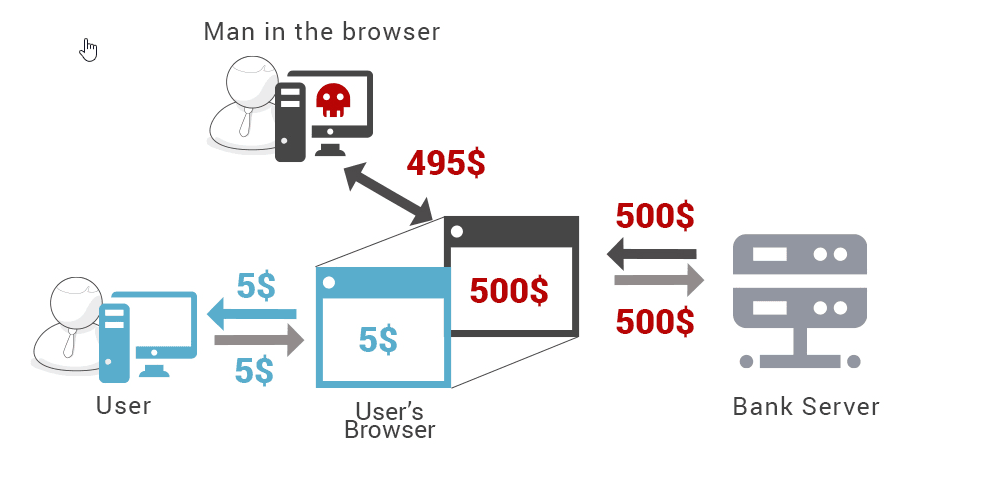
In the Man in the Browser fraud method, the goal is not to steal the user's password but to place malware in the browser itself. A malicious browser extension can alter the amount and recipient of the user's transfers at will.
HCE
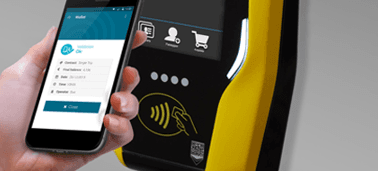
The HCE cloud-based security infrastructure consists of four main pillars: Tokenization, Risk Management, Session Keys, and User/Device Authentication. Tokenization indicates the type of token generation, and there are three different tokenization methods.
Chargeback
TRIP (Turkey's Communication Platform) is a central platform developed by BKM to fight fraud, bringing together Case Filing, Issuer and Acquirer Chargeback operations (Pre-Arbitration, Pre-Compliance, Arbitration, Compliance), and ATM deposit/payment dispute operations.