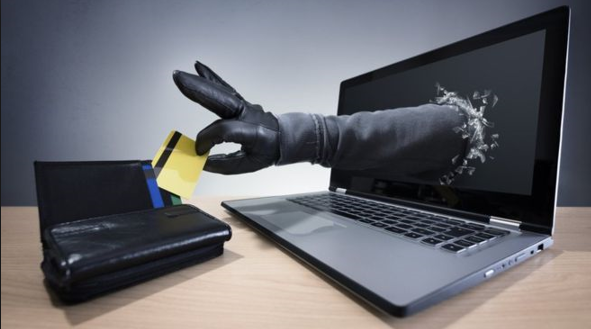
Credit card fraud is generally committed using the physical credit card, using card details without having the physical card, by making excess or duplicate withdrawals from a credit card, or by seizing someone's identity or identity information.
ATM Card Trapping: ATMs used in Turkey generally hold the bank card inside the card reader compartment until the transaction is complete. Fraudsters insert paper, adhesive-coated strips, or similar foreign objects into the ATM's card reader slot to trap the customer's card inside the reader compartment, preventing it from being fully inserted or ejected. After the customer leaves the ATM, the fraudster(s) retrieve the trapped card and use it along with the PIN they obtained.
ATM Cash Trapping: Fraudsters place a metal device in front of the cash dispenser slot of some ATMs; its front resembles the dispenser's cover plate, but it has a strong adhesive strip on the back, allowing them to seize the cash the customer intended to withdraw. The ATM's original cover opens behind it and pushes the cash out toward the customer, but the cash gets caught on the fake cover placed in front and remains trapped there.
Credit Card Application Fraud: A fraudster who has obtained someone's identity document, or produced a copy of one, uses that document along with any other documents required by the application to request a card in the victim's name through various channels. Because the fraudster obtains, through various means, all the information banks need for their identity verification processes, they can get through the subsequent steps, such as setting up a PIN and taking delivery of the card, without issue and achieve their fraudulent goal.
Card Cloning (Skimming) Fraud: Card cloning is one of the most common methods behind counterfeit cards. It is carried out using cloning devices installed on ATMs, and using "Skimmer" devices at merchants. Card cloning performed via an ATM is carried out using a device attached to the card slot. This device only steals the magnetic stripe data. To steal the PIN the customer enters, a fake keypad (PIN pad) or a hidden camera aimed at the keypad may be used.
Using the Credit Card Itself: This is carried out by making purchases with a credit card that has been lost or obtained in some other way.
Fraudsters erase the magnetic stripe data of expired cards and load valid card data onto them instead. Producing an original card is quite expensive, and there are many challenges involved, including creating the hologram on the card. For this reason, loading data onto a card that already has a magnetic stripe is a more practical and cheaper approach. In addition, this data can also be loaded onto the magnetic stripes of so-called "White Plastic" cards, which carry no visual markings such as a logo. To cause losses with White Plastic cards, either a merchant must act in collusion with bad intent, or the cards must be used at an ATM. A simple and effective check a merchant can perform is to verify whether the counterfeit card data loaded onto another card matches the information printed on the genuine card; a mismatch reveals the fraud.
Lost/Stolen Card Fraud: This involves taking advantage of the cardholder's negligence, or using sleight of hand, to physically steal the card along with its PIN, or using a card that has been lost by someone else. In some cases, a newly issued or renewed bank/credit card can also be seized by having it fraudulently intercepted upon delivery to its owner. The limit on lost cards can also be drained through transactions that do not require a PIN.
Card Account Takeover: This is carried out by a fraudster who uses the victim's identity information to take over the card/account itself, or who obtains the minimum information needed to transact with the card, then has an additional card issued and transfers money to another account via internet banking.
Card Not Present (CNP): This is carried out either by obtaining the credit card details and making purchases with them, or by the fraudster copying the victim's credit card or related documents and using them.
Excess/Duplicate Credit Card Withdrawal: This is carried out by taking advantage of the victim's inattention or intoxication to withdraw more than the intended amount from their credit card, or to make a duplicate withdrawal under the pretext that the first withdrawal failed.