Skip to content

Search

"card management"

158 articles found

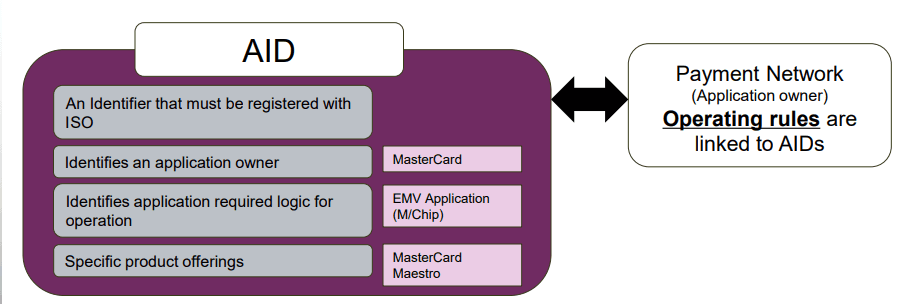
Illustration showing how an Application Identifier (AID) is used in a chip card transaction

EMV

What is an Application Identifier (AID)?

The AID tells the terminal which applications are present on a chip during a POS or ATM transaction. What does the AID do? It lets the terminal determine whether it supports an application on the chip. In Tag 9F06, it is 5-16 digits long.
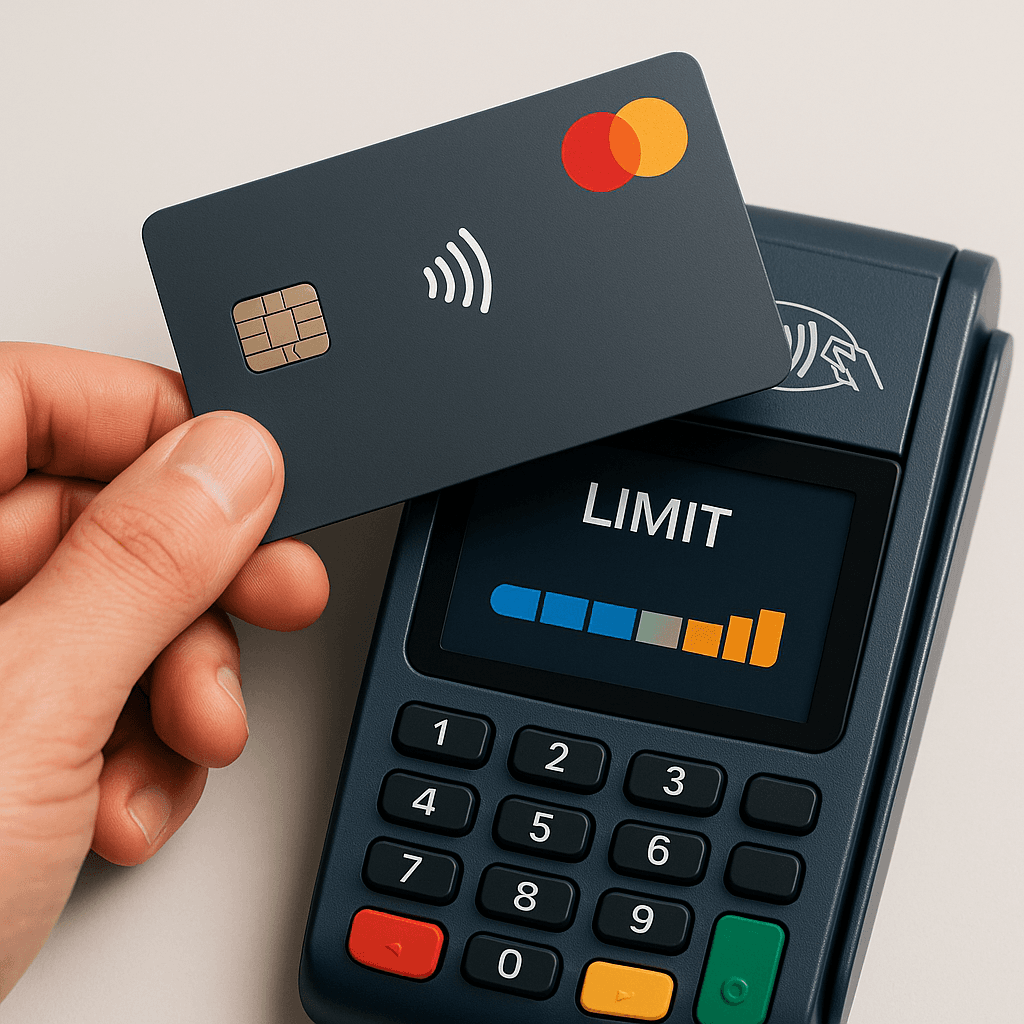
Illustration of dynamic CVM limit management for contactless card payments

Payment Systems

Dynamic CVM Limit Management Approach: A New Era in Card Security

One of the most notable recent developments in card payments is that contactless limits are no longer fixed and can be managed dynamically per customer. Mastercard and Visa are taking different but complementary approaches, and ISO 8583 may need to evolve with them.

How a business card works for corporate companies

Credit Card

How Does a Business Card Work?

A business card is a card corporate companies use to manage their financial transactions. The application is made in the company's name, and a virtual primary card that is not physically printed is created for the company. Additional cards are then issued to users.

Illustration of customer-based contactless card limit management

Payment Systems

Can a Card's Contactless Limit Be Managed on a Per-Customer Basis?

Contactless payment has greatly improved the user experience, yet its fixed transaction limit is a common complaint. Can this limit be managed dynamically per customer? This post covers the current situation, technical and regulatory requirements and the outlook.

Diagram illustrating the EMV Tag-Length-Value (TLV) data structure used in card transactions

Online & Authorization

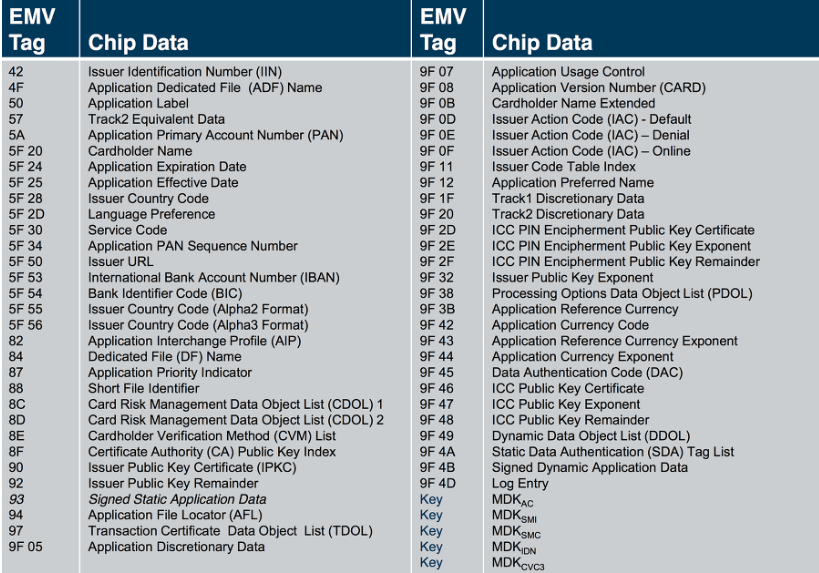
What are EMV Tags?

In EMV, data is stored in Tag-Length-Value (TLV) format, and it is carried between the card, the POS terminal, and the authorization system in this same format. This post lists every EMV Tag, its type, and its description.

Illustration representing bank credit card limit management

Credit Card

How is limit management done in banks?

In transactions carried out through banks, a certain limit is set due to the rules and requirements of institutions such as the BRSA (BDDK) and MASAK, as well as the measures banks take to reduce risk, and transactions above this limit are not approved. In the world of payment systems…

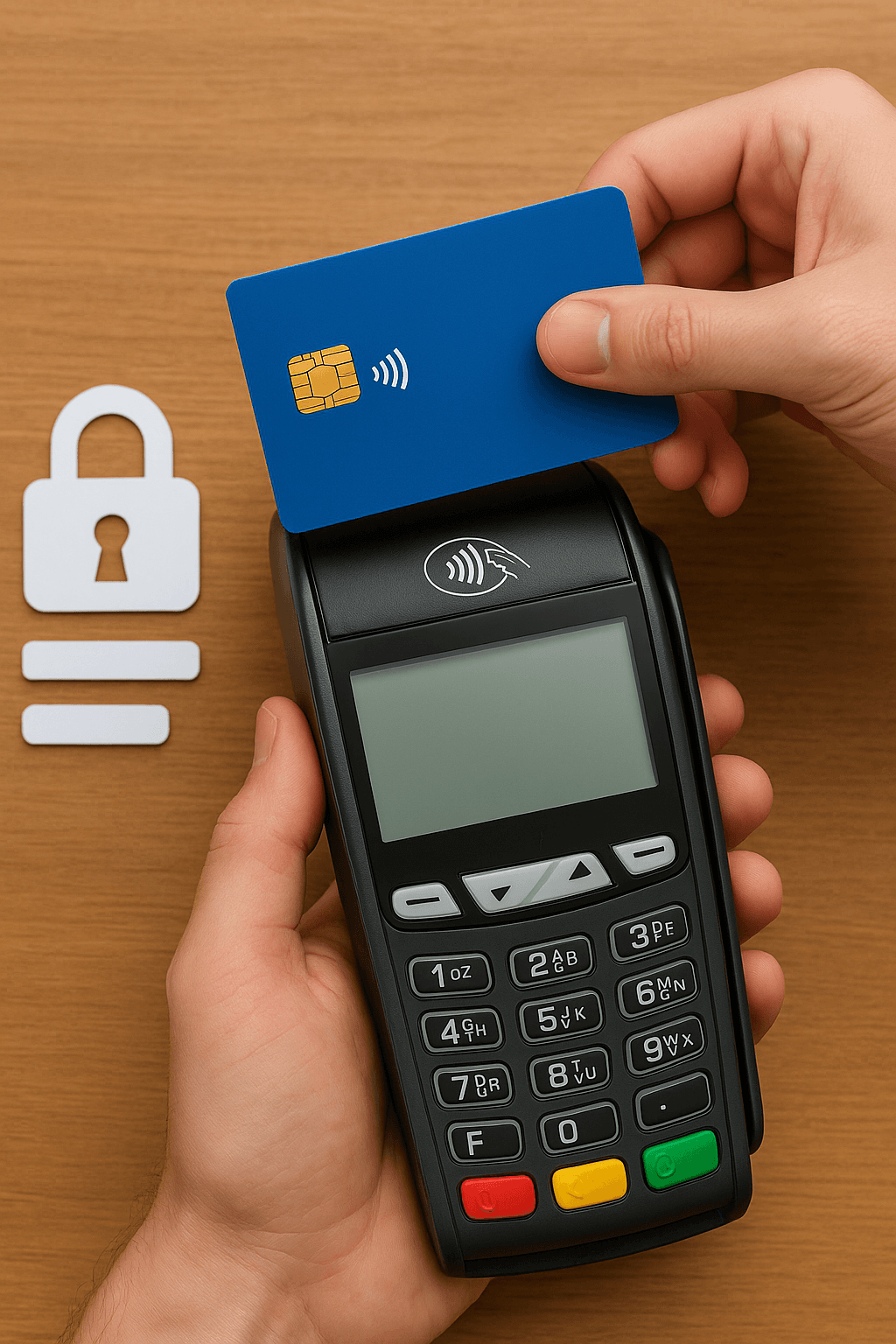
Contactless card payment at a POS terminal after the limit increase to 250 TL

Merchant & POS

Contactless transaction limit raised to 250 TL

Current information: this article describes the limit in force at the time of publication. To reduce the risk of the coronavirus (Covid-19) spreading, the contactless transaction limit on credit and debit cards was raised to 250 lira.

Diagram showing payment systems components managed in-house by a bank

Merchant & POS

What Is 'In-house' in the World of Payment Systems?

In-house is a term widely used in the world of payment systems. It means that payment systems applications are managed end-to-end within the bank's own systems, both in terms of code and process.

Illustration representing credit card loyalty points and rewards

Merchant & POS

What are Loyalty Points?

Loyalty points are promotional rewards banks give customers for credit card transactions, tracked on a card/customer basis. Banks charge merchants a commission on POS transactions, and some share part of that commission with cardholders as points.

Diagram illustrating the appeal stage of the card dispute and chargeback process between issuer, acquirer and card scheme

Payment Systems

What Is an Appeal? What Does It Mean in Payment Systems?

In payment systems, an “appeal” is the process of objecting to the outcome of a transaction dispute. It is usually discussed alongside chargebacks, but it plays a critical role in interbank dispute resolution, when a party asks the card scheme to re-evaluate a concluded decision.