Skip to content

Search

"fingerprint authentication"

7 articles found

MasterCard Identity Check logo and authentication illustration

Security

What is MasterCard Identity Check?

Payment security is very important in payment systems. To increase security, transactions require additional information such as PINs and passwords. Remembering which information to use, and keeping it in mind without forgetting…
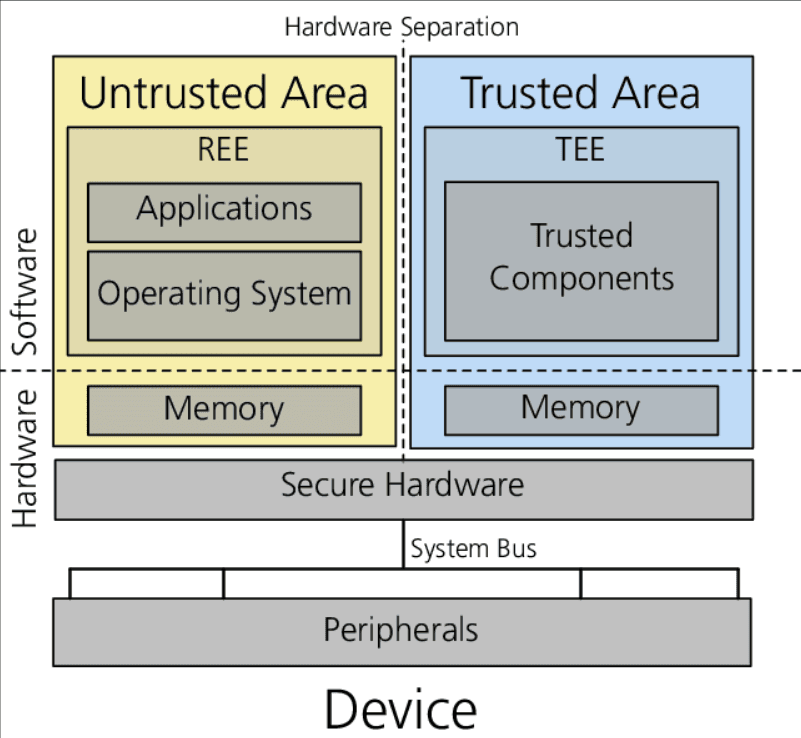
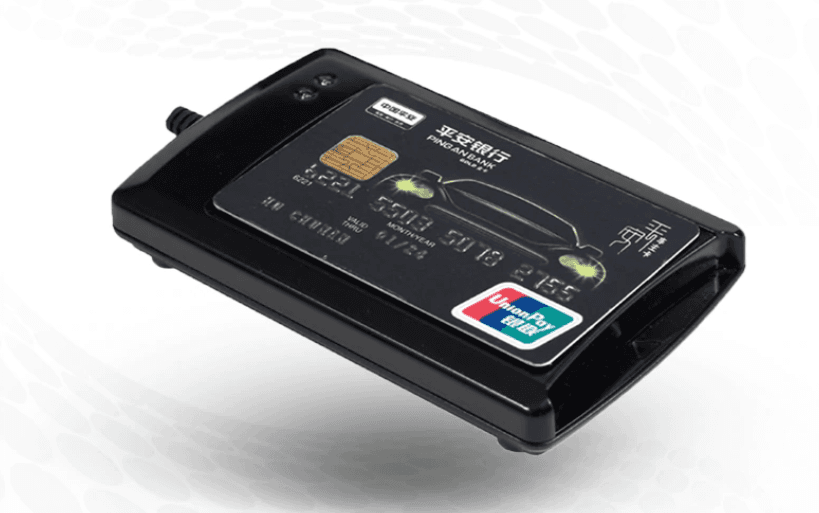
Diagram illustrating a Trusted Execution Environment (TEE) architecture

HSM & Security

What is TEE (Trusted Execution Environment)?

A Trusted Execution Environment (TEE) is an environment where executed code and accessed data are isolated and protected in terms of confidentiality (no one has access to the data) and integrity (no one can alter the code or its behavior). We may not realize it, but many…

SCRW smart card reader/writer device

Security

What is SCRW (Smart Card Reader Writer)?

SCRW (Smart Card Reader Writer) can be translated as Smart Card Reader/Writer. Smart chip card readers are sophisticated devices with built-in intelligence, usable in PCs, laptops, servers, smartphones, and set-top boxes.

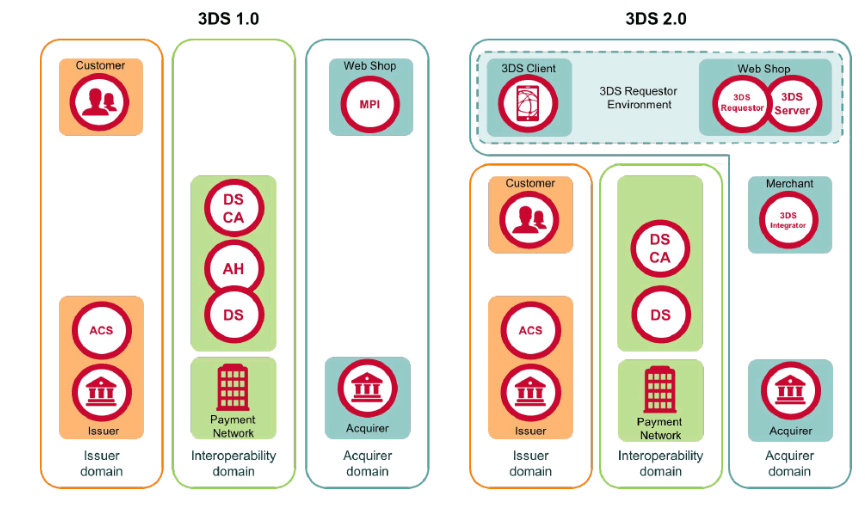
Architecture of 3DS 1.0 compared with 3DS 2.0, showing the issuer, interoperability and acquirer domains

Security

What Is 3D Secure 2.0?

Before 3D Secure 2.0, let's explain what 3D Secure is. 3D Secure is a two-layer payment authentication system that protects both the cardholder and the merchant in online payments. First released by Visa in 1999, it was later adopted by other card schemes…

Diagram showing the four pillars of HCE cloud-based security infrastructure

HCE

What is the HCE Cloud-Based Security Infrastructure Like?

The HCE cloud-based security infrastructure consists of four main pillars: Tokenization, Risk Management, Session Keys, and User/Device Authentication. Tokenization indicates the type of token generation, and there are three different tokenization methods.

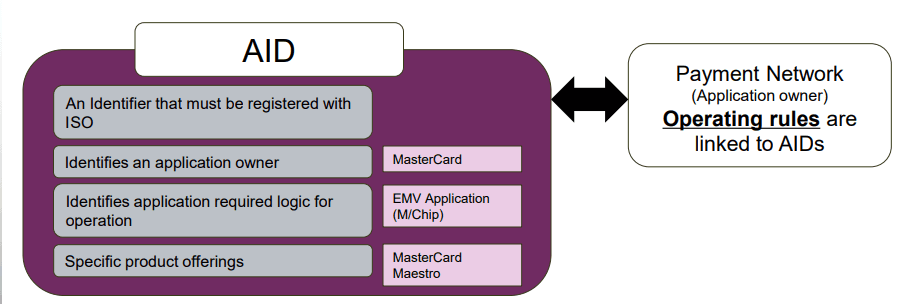
Illustration showing how an Application Identifier (AID) is used in a chip card transaction

EMV

What is an Application Identifier (AID)?

The AID tells the terminal which applications are present on a chip during a POS or ATM transaction. What does the AID do? It lets the terminal determine whether it supports an application on the chip. In Tag 9F06, it is 5-16 digits long.

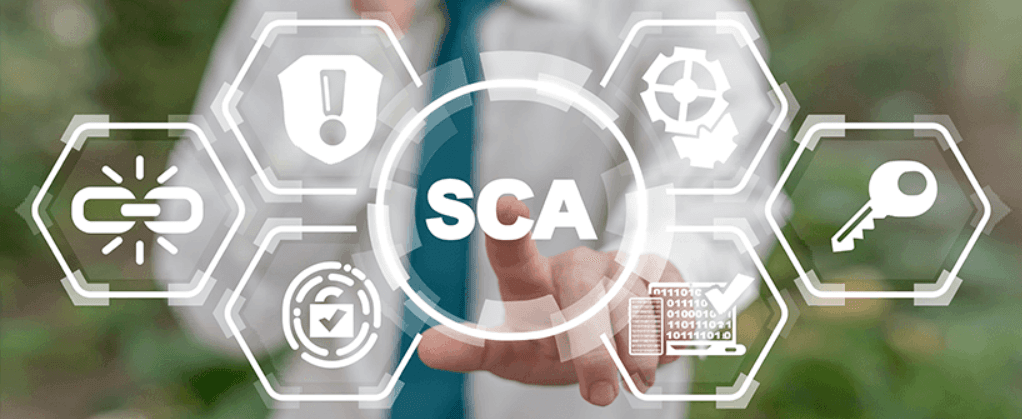
Illustration representing Strong Customer Authentication (SCA) under PSD2

Payment Systems

What is Strong Customer Authentication (SCA)?

Strong Customer Authentication (SCA) is a security requirement introduced under the EU's Payment Services Directive 2 (PSD2) to increase security and reduce fraud in online payment transactions. SCA requires two of three independent authentication factors.