Skip to content

Search

"issuer authentication"

27 articles found

Diagram showing the components of the External Authenticate command

EMV

What is the External Authenticate Command?

The EXTERNAL AUTHENTICATE command asks the application inside the ICC whether it can verify the cryptogram, and the ICC returns the processing status. Below are the components of the External Authenticate command and what issuer authentication means.

Diagram showing the structure of the Card Verification Results (CVR) data element

Credit Card

CVR (Card Verification Results)

CVR (Card Verification Results) refers to the results of checks performed on the card. In short, it can be described as keeping the card's transaction log. BYTE 1 Bit 8-7: 00 = The second GENERATE AC command returned an AAC cryptogram (decline)...

Diagram illustrating the ISO 8583 F55 field structure for ICC system related data

ISO 8583

ISO 8583 Field Descriptions (F55)

F55 - INTEGRATED CIRCUIT CARD (ICC) SYSTEM RELATED DATA: the field where EMV data is written on chip cards. It consists of components such as Position, Private Data Subelements, PDS Tag, PDS Length, and PDS Value...

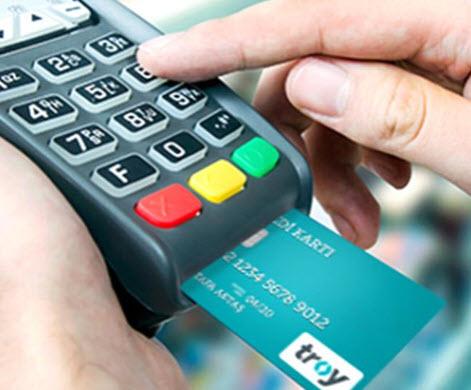
POS terminal used for EMV card payment processing

Merchant & POS

TVR (Terminal Verification Results)

Terminal Verification Results (TVR): a sequence of bits produced when a terminal reads an EMV card, based on logical checks such as an expired card. This data object is used to decide whether a payment transaction should be accepted online, declined, or allowed to proceed.

Diagram illustrating the EMV Tag-Length-Value (TLV) data structure used in card transactions

Online & Authorization

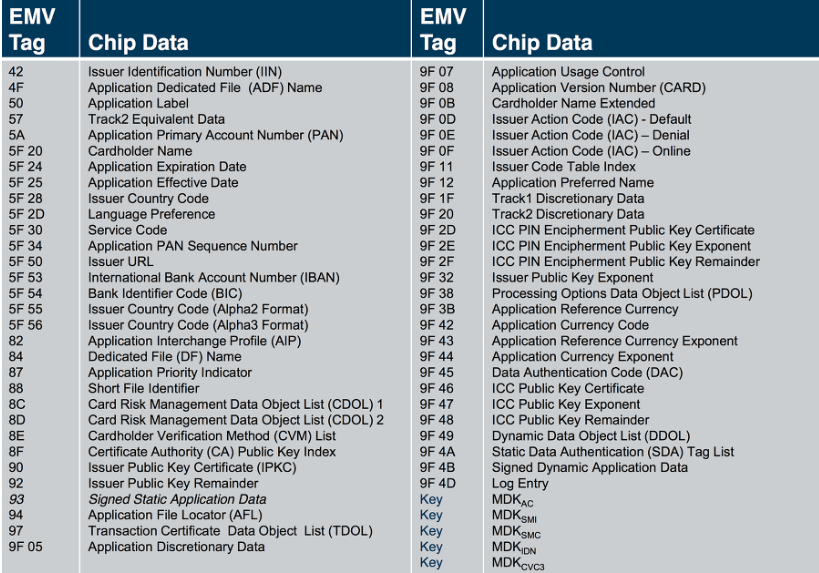
What are EMV Tags?

In EMV, data is stored in Tag-Length-Value (TLV) format, and it is carried between the card, the POS terminal, and the authorization system in this same format. This post lists every EMV Tag, its type, and its description.

Diagram showing Electronic Commerce Indicator values used in 3D Secure transactions

Online & Authorization

What is the Electronic Commerce Indicator (ECI)?

Electronic Commerce Indicator (ECI) is a 2-digit value generated by payment schemes (Visa, MasterCard, etc.) in 3D Secure transactions to determine the transaction's security level (Full 3D Secure, Half 3D Secure, Non 3D Secure), and it varies by payment scheme.

Illustration of ISO 8583 message format

ISO 8583

ISO 8583 Field Descriptions (F44)

DE 44 - ADDITIONAL RESPONSE DATA is used to provide other supplementary data that may be needed in authorization, as a response to the authorization message. The Card Authentication Results Code is sent in position 9, and the CAVV Result Code is sent in position 15.

Table of EMV Transaction Status Information (TSI) bit definitions

Merchant & POS

Transaction Status Information (TSI)

Contains the EMV steps performed by the Terminal in a transaction. The TSI fields, their possible values, and descriptions of the values are shown below.

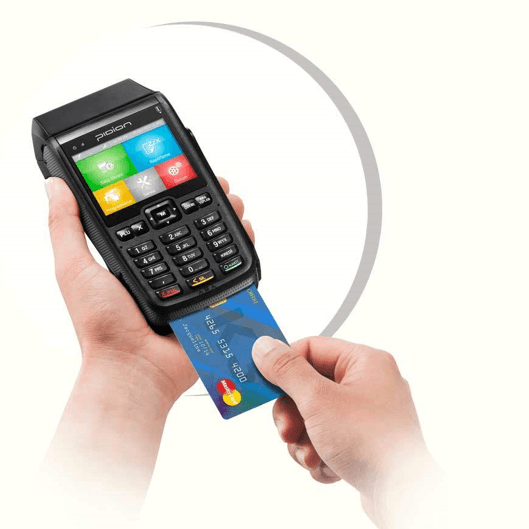
POS terminal processing an EMV chip card transaction

Credit Card

Application Interchange Profile (AIP)

The Application Interchange Profile indicates the application functions supported by the card. The AIP values and their descriptions are given below. Where is the AIP found? The AIP is a 2-byte piece of data stored on the card, carried under EMV tag 82.

Diagram illustrating SDA, DDA, and CDA offline data authentication methods

Credit Card

What are SDA, DDA, and CDA?

SDA (Static Data Authentication), DDA (Dynamic Data Authentication), and CDA (Combined Dynamic Data Authentication) are offline data authentication methods used in chip cards. Learn how each one validates the card and the transaction.

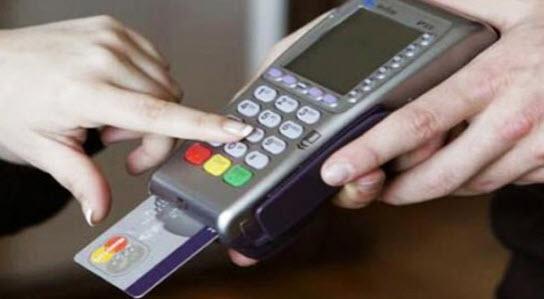
Photo of a POS terminal related to EMV Issuer Action Code settings

Online & Authorization

Issuer Action Code (IAC)

These are codes that communicate the issuer's conditions for approving a transaction online (IAC-Online), for declining it (IAC-Denial), or for declining it when the terminal cannot go online (IAC-Default).

Table of CAVV result codes and what they mean for merchants

Merchant & POS

What is CAVV? What is AAV?

CAVV and AAV are verification codes used in 3D Secure transactions to ensure transaction integrity and security. CAVV is used by Visa, while AAV is used by Mastercard.