Skip to content

Search

"on-us transactions"

10 articles found

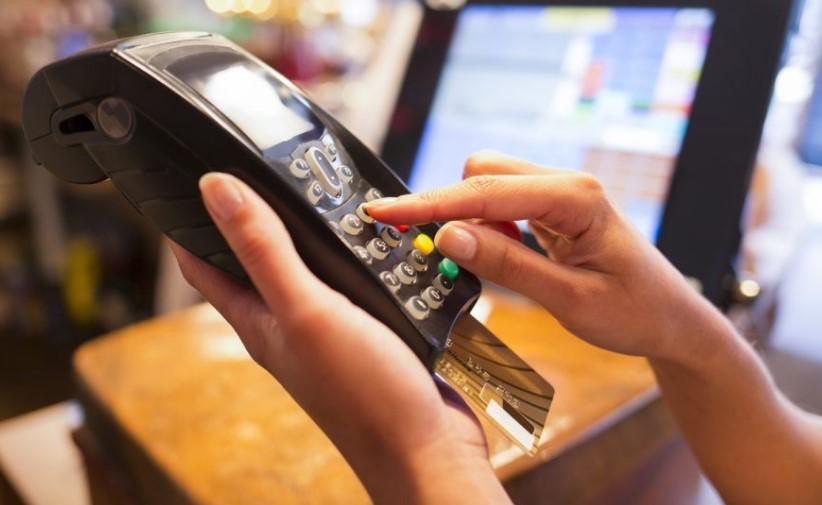
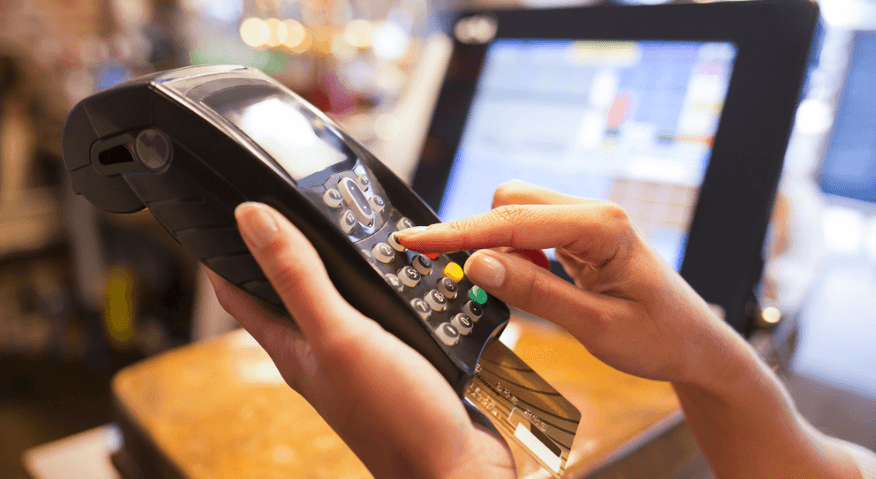
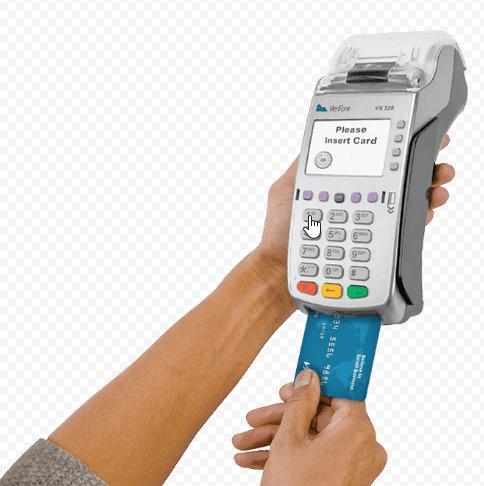
POS terminal used for card payment transactions

Merchant & POS

What is On-Us Leakage?

On-Us Leakage is a term used in the world of payment systems. On-us means the card-issuing bank and the POS-acquiring bank are the same. So what does on-us leakage mean in this context?

Issuer data and BIN definitions on POS terminals

Merchant & POS

Why Are Issuer Data Definitions Important?

The most important part of issuer data definitions is that they are built around your own bank's or institution's developments and application flows. Missing BINs can break installments, rewards and routing on POS devices.

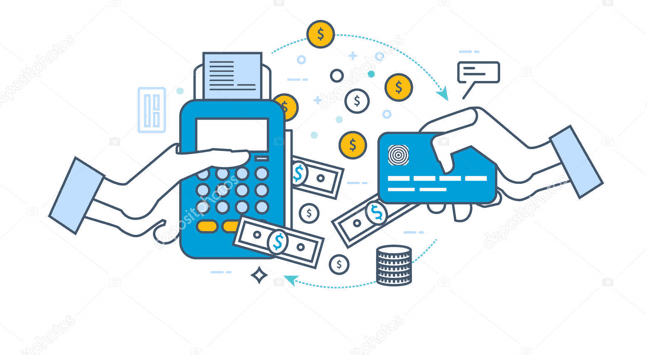
Diagram of basic payment systems terminology including issuer, acquirer, and authorization

Payment Systems

Basic Terms Used in Payment Systems

Although many important terms are used in payment systems, the expressions below are its cornerstones — the ABCs of payment systems, so to speak. Issuer: the credit card company, usually a bank, that issues the card and tracks debt, credit, bonus points, and other services for the customer.

Diagram explaining how an offline chip card transaction is approved without contacting the bank

Merchant & POS

What Is an Offline Transaction?

When a chip card transaction is made at a POS, it may be approved by the card and the POS alone, without reaching any system (issuer or acquirer). When do the issuer and acquirer find out about it?

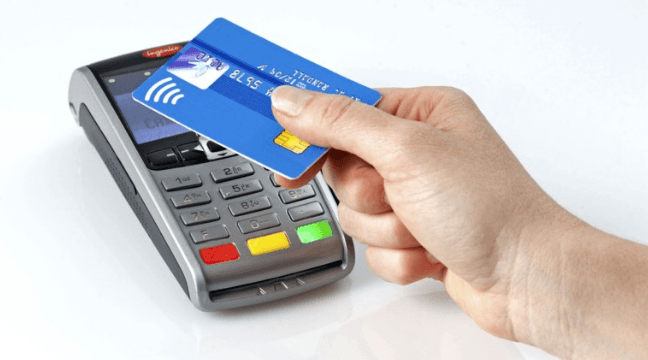
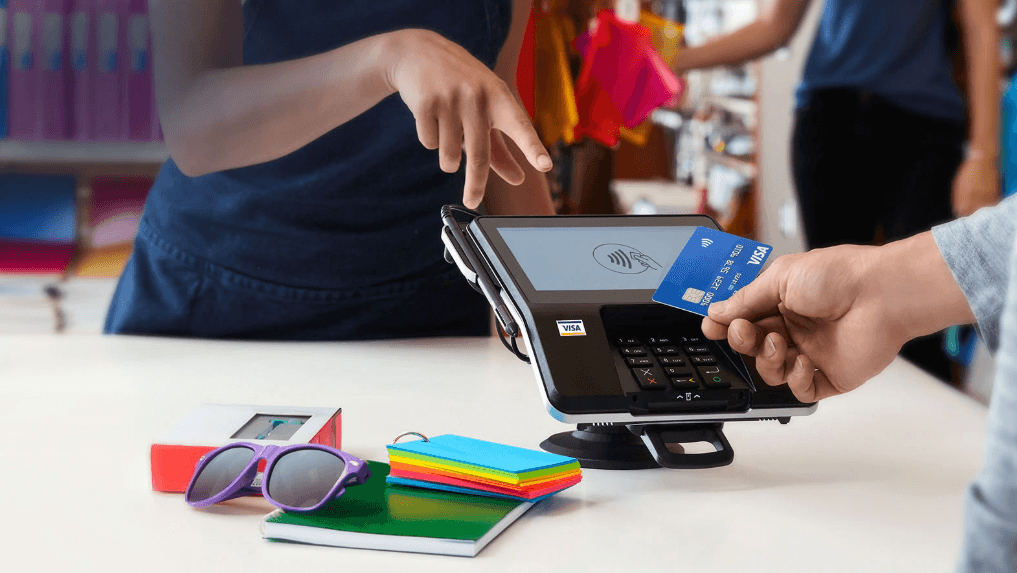
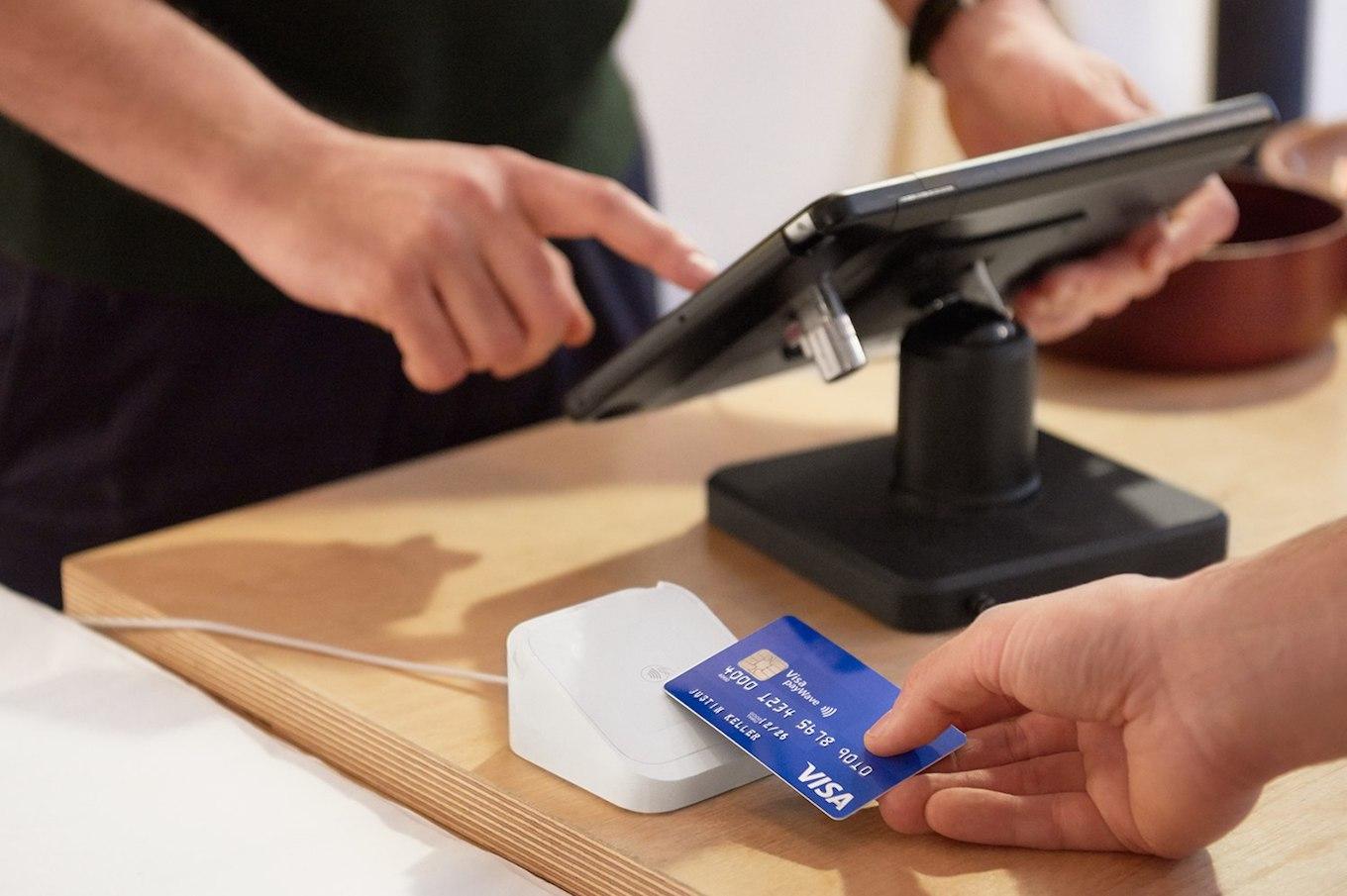
Contactless payment being made with a card at a POS terminal

Online & Authorization

When Does a Contactless Transaction Post to the Account?

A contactless transaction is a fast, secure payment made without direct contact between the card and the POS terminal (without reading the chip or magnetic stripe). Can every card be used for contactless payments? For a transaction to be contactless…

Example of a POS transaction receipt (slip)

Merchant & POS

Don't Dismiss the POS Receipt

In daily credit card purchases, the POS produces two receipts: the Customer Copy and the Merchant Copy. The cardholder gets the customer copy; the merchant keeps its own copy by law.