Skip to content

Search

"response codes"

62 articles found

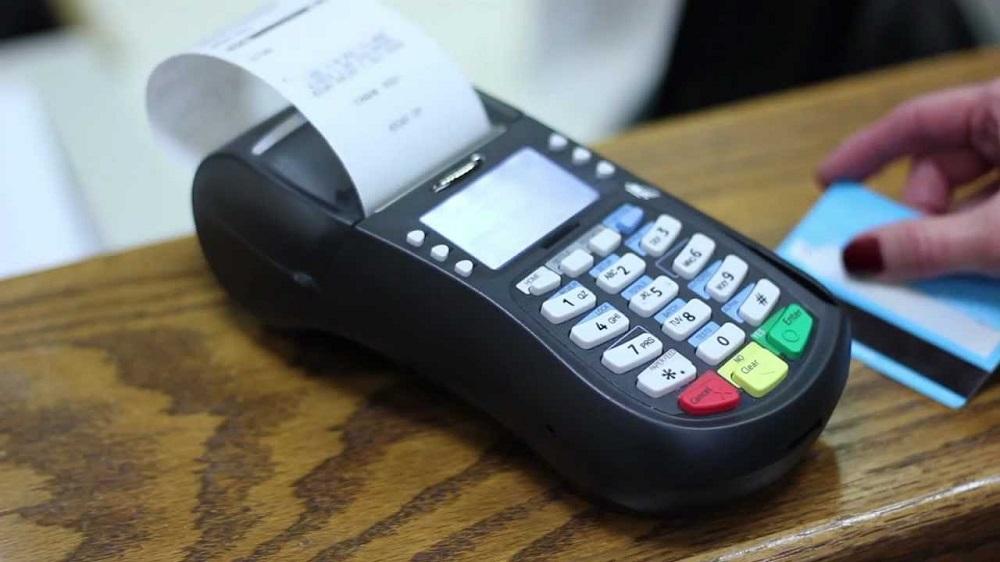
POS terminal device used for processing card transactions

Online & Authorization

Response Codes That Can Be Received in Offline Transactions

Below are the possible response code values for offline transactions and their explanations: Response Code / Explanation - Y1: Approved offline, Z1: Declined offline, Y2: Approved after referral, and more.

Screenshot of an Address Verification Service (AVS) response code table

Merchant & POS

What is Address Verification Service (AVS)?

Address Verification Service (AVS) is a fraud prevention system that helps limit fraud and chargebacks when used effectively. It verifies that the address a customer enters matches the cardholder's address on file with the issuer.

Diagram illustrating TCR (Transaction Record Component) packets used in payment clearing and settlement files

Payment Systems

What Is TCR (Transaction Record Component)?

TCR stands for Transaction Record Component, the packets that carry transaction information in a clearing system. Transaction types in a clearing file are distinguished by transaction code and usage code values, and this data is sent inside TCR packets.

Table showing payment system response code values that indicate transaction approval

Online & Authorization

What Are the Response Code Values That Mean Approval?

In payment systems, the result of a transaction is sent in the F39 field. The F39 value is the code indicating the transaction's approval or decline status. It is a 2-character alphanumeric code. When approved, the value is usually 00.

Example of a QR code

Merchant & POS

What is QR (Quick Response) Code?

QR Code is a two-dimensional barcode system developed by Denso Wave, a Toyota subsidiary operating in Japan. Its name comes from the initials of Quick Response. Its content can be any data, including text, a website address, or a video link.

Contactless card payment at an overseas POS terminal that prompts for a PIN after a limit is exceeded

Payment Systems

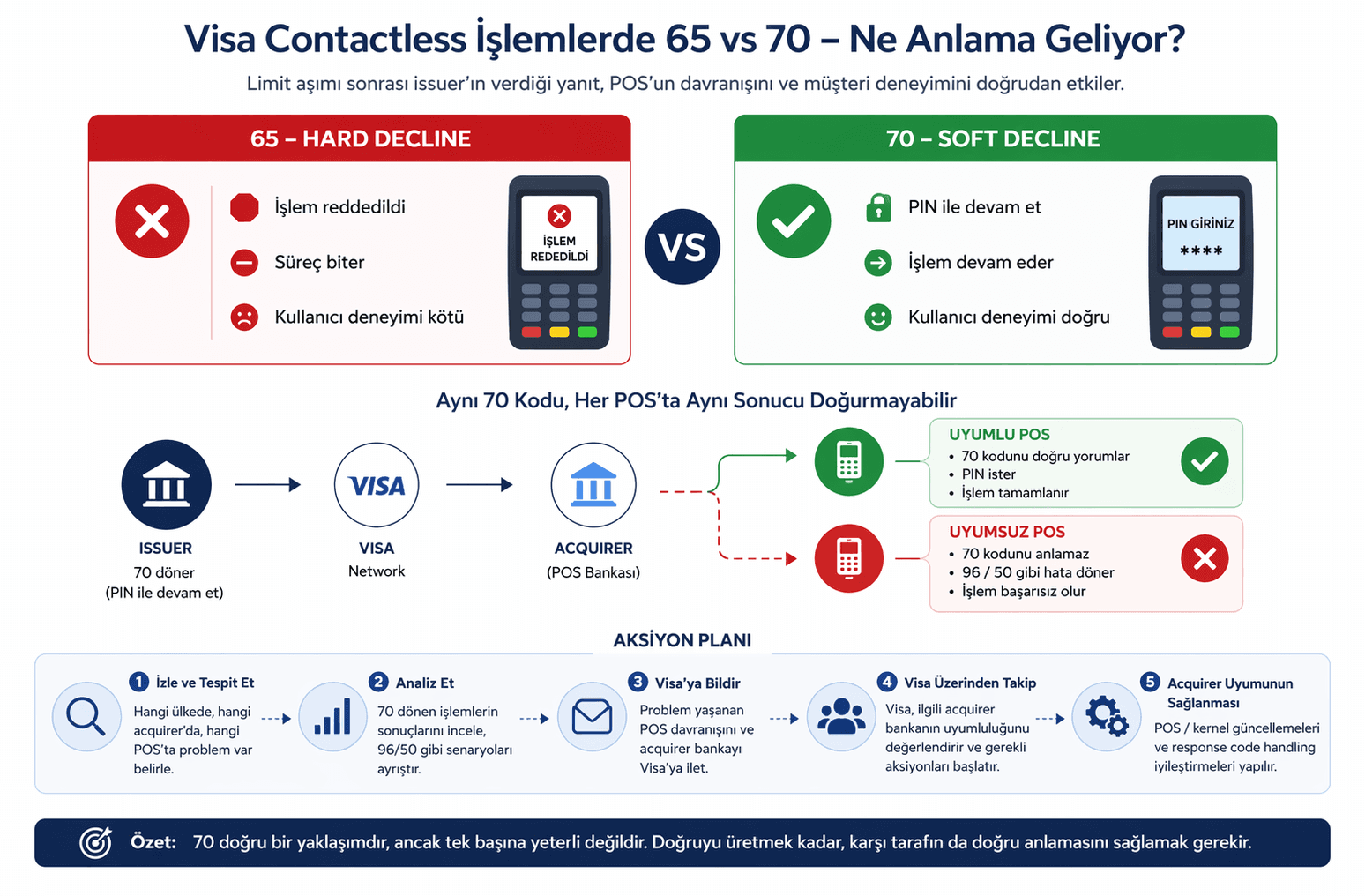
Visa Overseas Contactless Transactions – After Code 70 (Part 2)

After switching to response code 70 for contactless limit-exceeded cases, we found that some overseas POS devices and acquirers did not handle it as expected. This post covers why the problem lies in the ecosystem and how to address it.

Diagram illustrating the ISO 8583 F39 response code field

ISO 8583

ISO 8583 Field Descriptions (F39)

F39 - RESPONSE CODE: This is the code showing whether the transaction was approved or declined. It is 2-digit alphanumeric. Typically 00 is sent when approved, and a decline reason code is sent when declined.

Table of credit card authorization response codes

Credit Card

What are Credit Card Status Codes in Authorization?

Cases where authorization approval is declined have always puzzled cardholders. Whenever the response code requires contacting the issuing bank (usually for declined transactions), the date, amount, and response code of the failed transaction become very important.

Table of ISO 8583 response codes that trigger card capture

Merchant & POS

What Are the Card Capture Error Codes?

Response codes returned on payment transactions are critical for managing next steps. Curious which error codes trigger card capture? Under ISO 8583, codes 04, 07, 33, 34, 36, 38, 41 and 43 all result in the card being captured.

Illustration of ISO 8583 message format

ISO 8583

ISO 8583 Field Descriptions (F44)

DE 44 - ADDITIONAL RESPONSE DATA is used to provide other supplementary data that may be needed in authorization, as a response to the authorization message. The Card Authentication Results Code is sent in position 9, and the CAVV Result Code is sent in position 15.

Illustration of a card payment approved for a partial amount

Merchant & POS

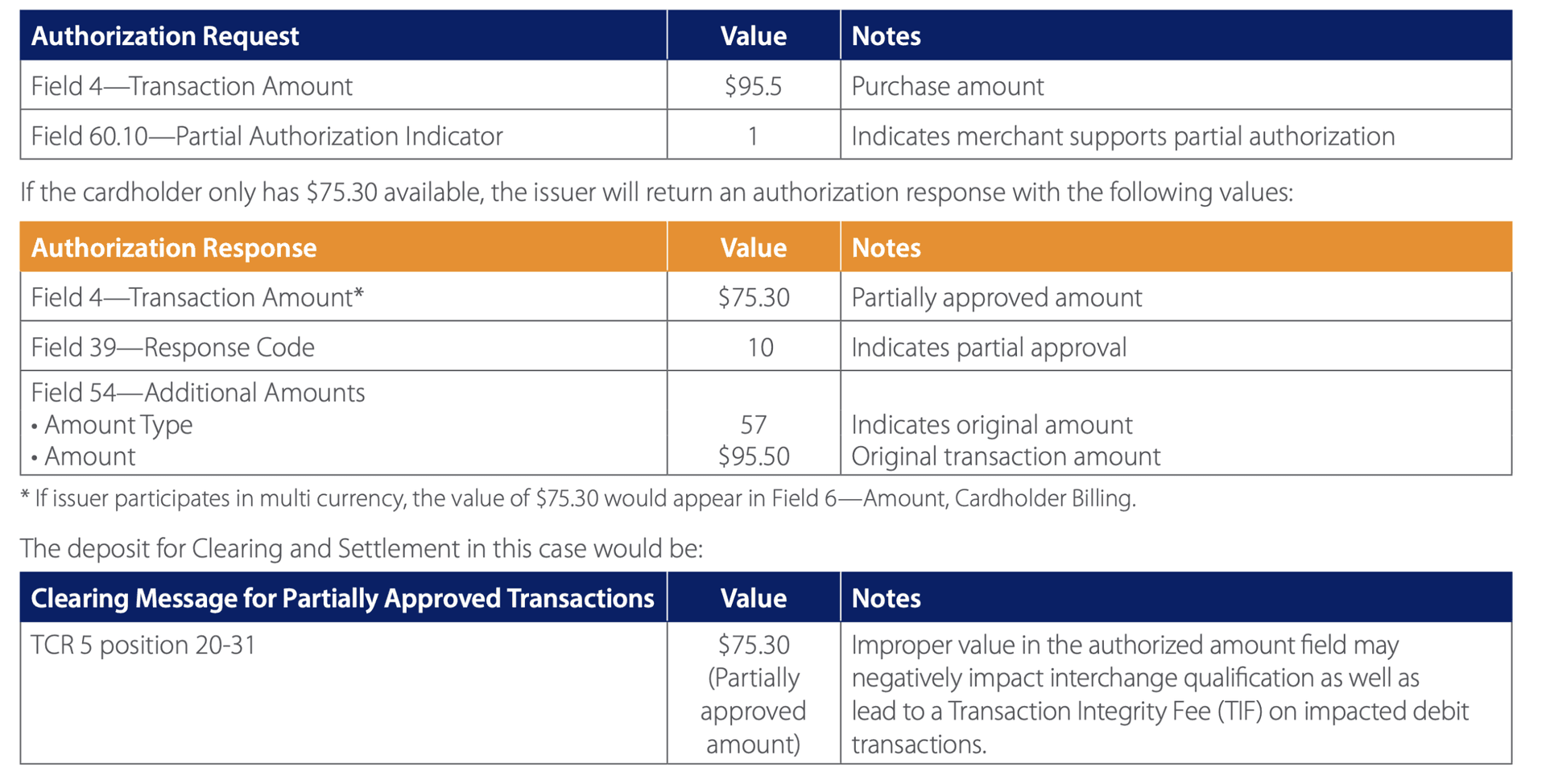
What Is Partial Authorization?

Partial Authorization lets an issuer approve part of a transaction instead of declining it when the balance or limit is insufficient. This post covers how it works in ISO 8583, whether it is mandatory, and why it matters for the business.