Skip to content

Search

"secure element"

26 articles found

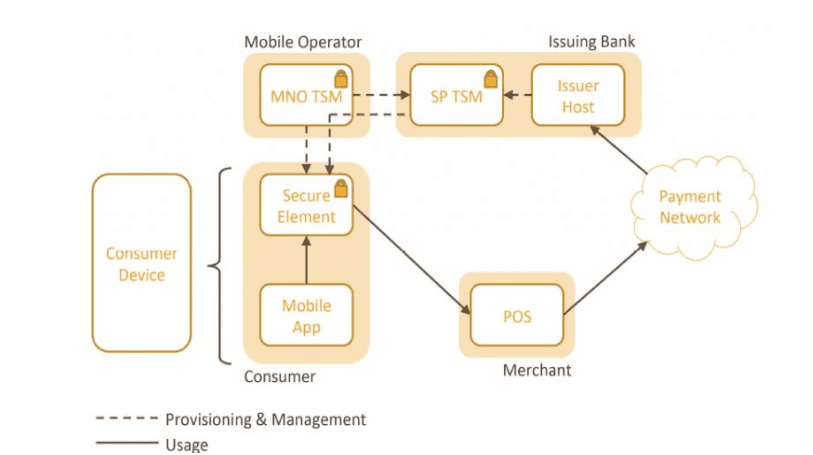
Diagram illustrating the role of a Secure Element Issuer in mobile payments

HSM & Security

What is a Secure Element Issuer?

Secure Element Issuer is the stakeholder that provides, maintains, and updates the secure element in cases where mobile payment application and card data are stored in the secure element inside a mobile phone.
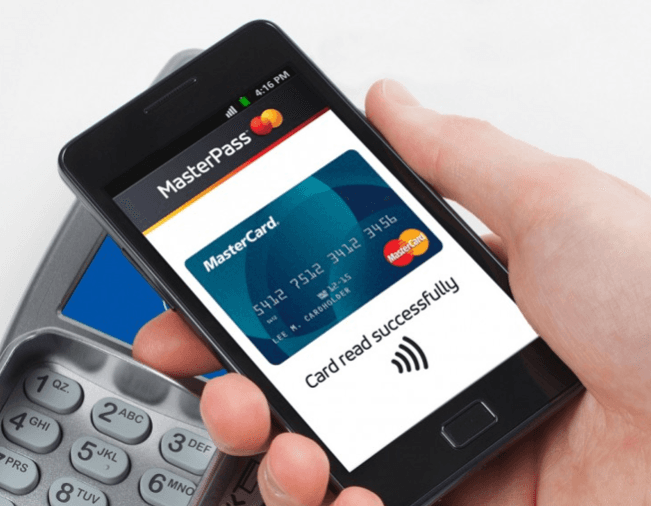

Illustration of Host Card Emulation (HCE) enabling contactless mobile payments

Online & Authorization

What Is HCE?

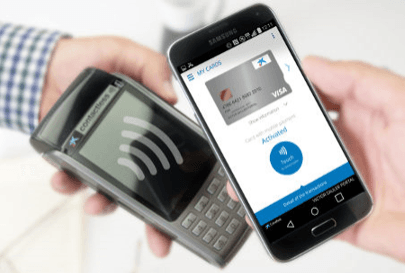
HCE lets a mobile device's operating system emulate the cards we use daily (credit, debit, gift cards, etc.) to make contactless payments via NFC. In other words, our phones behave like the cards we use for payments.

HCE terminology and architecture diagram

HCE

Terms Used in HCE Terminology

When we talk about HCE methodology, many interacting architectural components come to mind. The core terms describing this architecture are listed below, starting with GCM/FCM (Google/Firebase Cloud Messaging), a service for sending push notifications.

UK Open Banking Implementation Entity (OBIE) structure

Open Banking

What Is the Open Banking Implementation Entity (OBIE)?

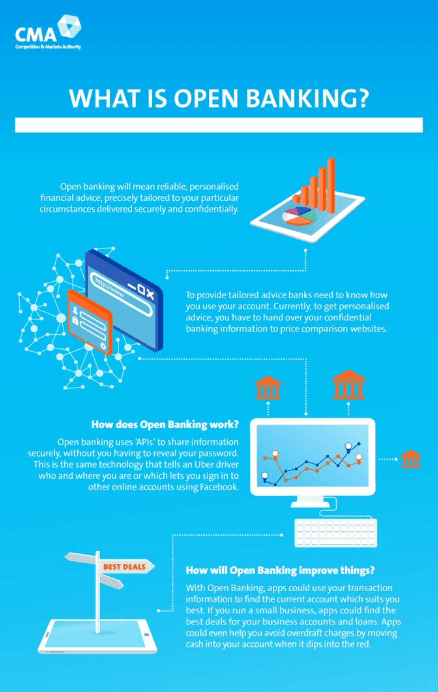
The Open Banking Implementation Entity (OBIE) is a body set up by the UK's CMA to design and implement Open Banking, developing standards for APIs, security and the wider ecosystem together with other stakeholders.

Illustration of customer-based contactless card limit management

Payment Systems

Can a Card's Contactless Limit Be Managed on a Per-Customer Basis?

Contactless payment has greatly improved the user experience, yet its fixed transaction limit is a common complaint. Can this limit be managed dynamically per customer? This post covers the current situation, technical and regulatory requirements and the outlook.

EMV Application Transaction Counter ATC 9F36

Online & Authorization

Application Transaction Counter (ATC)

The Application Transaction Counter is the number of transactions made with the card so far. It increases by 1 with each transaction and can also be used as a transaction number, making transactions easier to track.

Diagram illustrating the EMV Tag-Length-Value (TLV) data structure used in card transactions

Online & Authorization

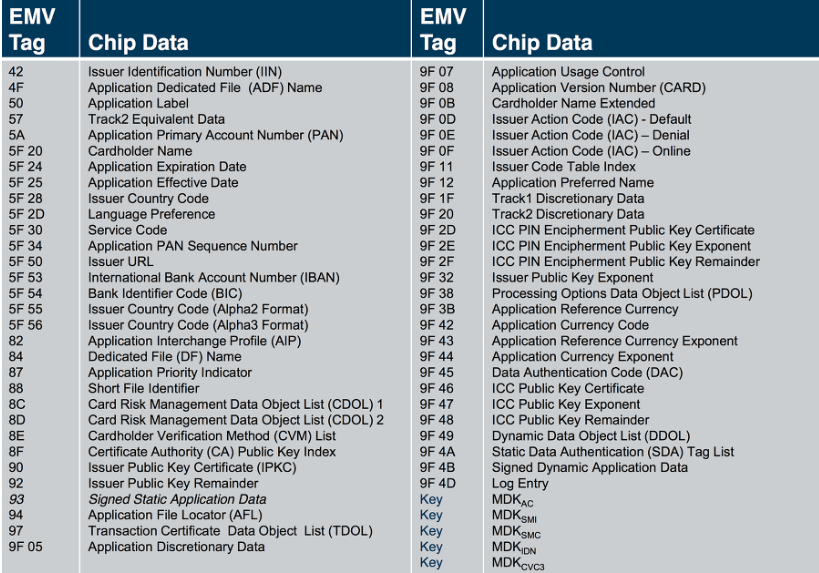
What are EMV Tags?

In EMV, data is stored in Tag-Length-Value (TLV) format, and it is carried between the card, the POS terminal, and the authorization system in this same format. This post lists every EMV Tag, its type, and its description.

Illustration of a smart card chip related to the ISO/IEC 7816 standard

Credit Card

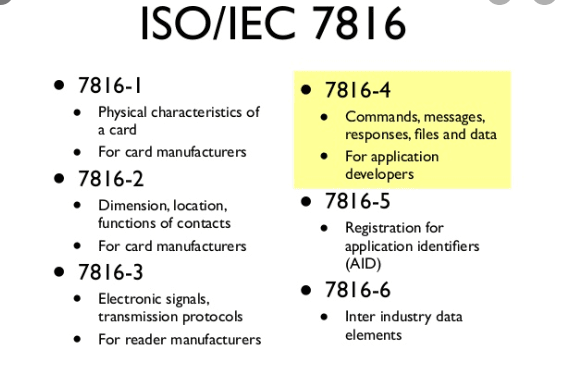
What is ISO/IEC 7816?

ISO/IEC 7816 is an international standard jointly maintained by ISO and IEC, covering contact-based electronic identification cards, especially smart cards. It consists of 15 different parts, each covering a different aspect of smart card technology.

Diagram illustrating the SPoC solution architecture for secure PIN entry on a COTS device

Security

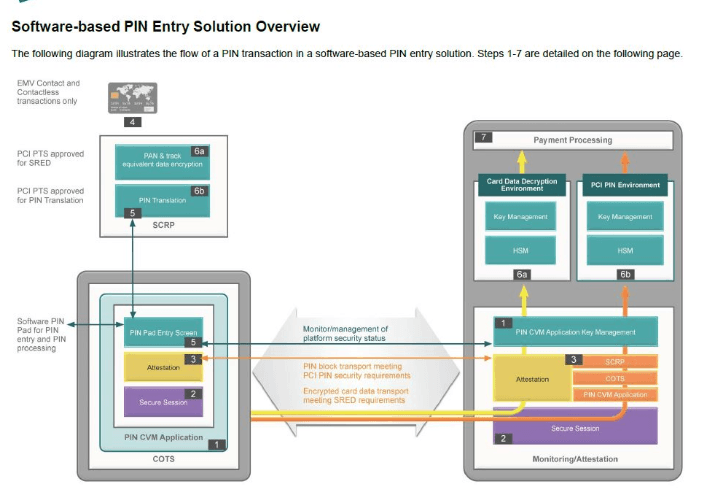
What is Software-based PIN Entry on COTS (SPoC)?

Published by the PCI SSC, Software-based PIN Entry on COTS (SPoC) is a standard that provides a software-based approach for protecting PIN entry on commercial off-the-shelf devices such as smartphones and tablets.

Diagram illustrating the NextGenPSD2 framework for open banking APIs

Open Banking

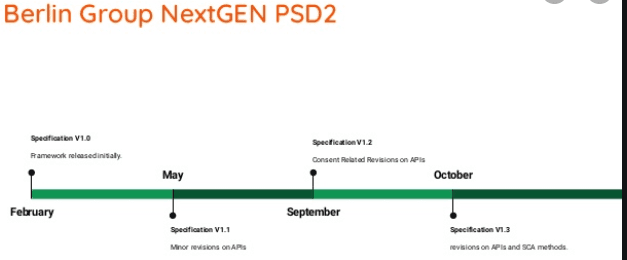
What Is NextGenPSD2?

NextGenPSD2 is the set of API standards launched by the Berlin Group in 2017, now involving more than 1,700 banks from 20 countries. This post explains what the framework offers to banks, fintechs and third-party providers under PSD2.