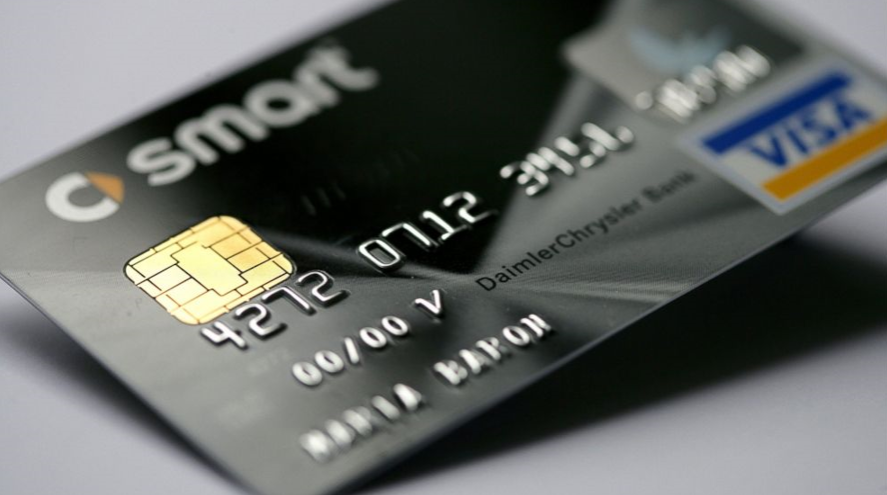
Today, as cash use steadily declines and credit card use keeps rising, using credit cards in line with one's income -so to speak, stretching your legs only as far as your blanket reaches- provides serious advantages to the cardholder, to the country, and to merchants alike.
So what are the contributions of credit card use to the economy?
- By reducing the need for cash circulation, it makes it easier to bring the economy into the formal record and prevents unrecorded transactions. Spending the same amount by credit card instead of 1 TL in cash increases tax revenue by 19 kurus.
- With credit card use, the amount of physical paper money in circulation decreases and savings deposits increase. As a result of purchases made with credit cards, all money movements are recorded in the economic system, and the savings-investment flow accelerates, boosting commercial activity.
- Since the transaction cost of cards is about one-third lower than that of cash, the overall economy is relieved of the burden of paper money, contributing to overall GDP.
- By reducing losses caused by the use of counterfeit money, it lowers this risk for both users and merchants.
- Every 1 TL of credit card spending increases GNP by 1.75 TL. A growing economy brings new business opportunities and helps prevent unemployment.
- Purchases made with credit cards have a disinflationary effect. While an increase in the money supply raises inflation by 0.13 over the same period, credit card spending lowers inflation by 0.0013 over the same period.
- Credit cards create new job opportunities. A 1% increase in credit card spending raises employment by 5,954 people. The effect of an increase in credit card spending on employment lasts about 2.5 years.
- As a result of purchases made with credit cards, all money movements are recorded in the economic system, and the accelerated savings-investment flow revitalizes commercial activity.