Recently, there has been a significant increase in the use of prepaid cards and in the number of prepaid cards issued by e-money institutions.
Let us think together about the reasons:
- Fewer procedures are required to get a card
- Prepaid cards are easy to use
- They offer an easier and safer way to pay than cash across a wide merchant network
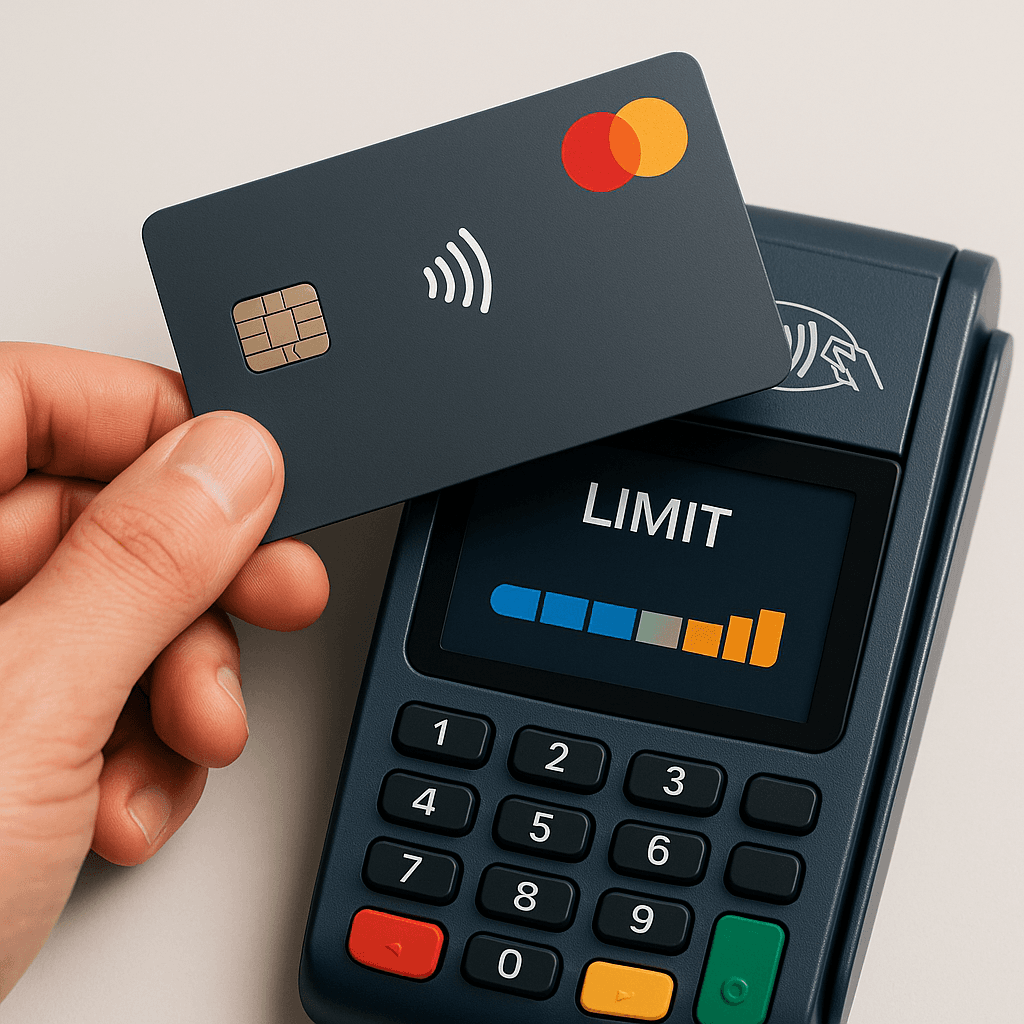
- It is a payment card used by loading money onto an account. It is ideal for paying bills and for shopping at POS terminals and online.
- A lost or stolen card is blocked and its balance is transferred to a replacement card. (This applies to cards linked to an account.)
- It can be used at all ATMs and merchants that accept cards.
- The prepaid card balance is protected by a PIN, so the balance is safe.
- With prepaid cards, you can spend only up to the card balance. Unlike a credit card, you do not spend from a limit.
- It is very important for the goal of a cashless society and for bringing the informal economy on record.
There are many prepaid debit cards on the market. Which one should I choose?
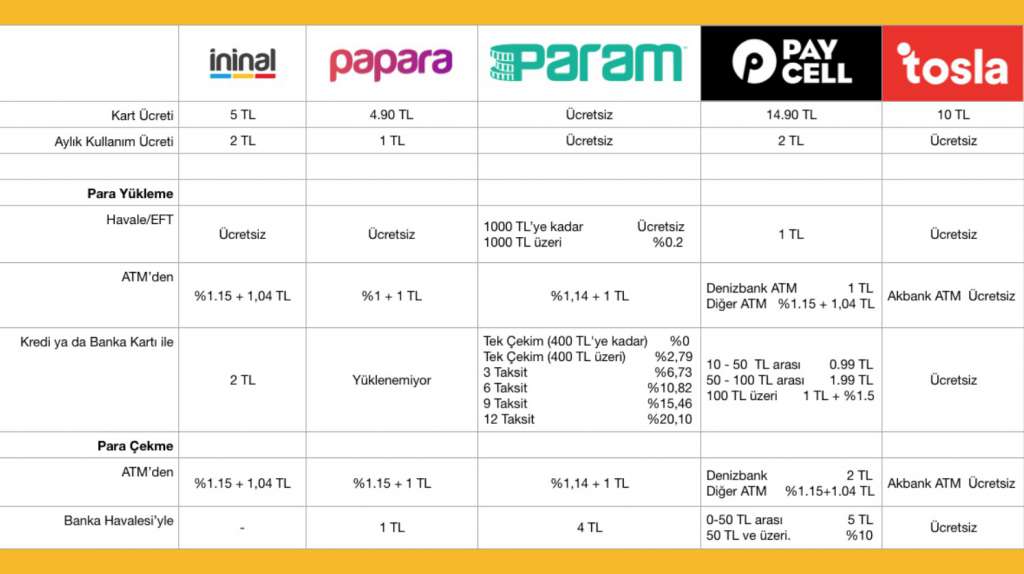
This depends on the needs of the person who wants to own a card. For example, if the card will mainly be used for ATM cash withdrawals, you should choose the card with the lowest ATM cash withdrawal fee. The most important criteria when choosing a card are the fees and commissions charged on the card.
So how much do prepaid card providers charge for transactions made with their cards?
Fee items charged on prepaid cards:
- Card fee
- Monthly usage fee
- EFT to the account
- Loading money at an ATM
- Loading money with a credit card or debit card
- Cash withdrawal at an ATM
- Withdrawing money by bank transfer.
To see the big picture, you can find the transaction fees and card commissions charged on the cards in the table below.