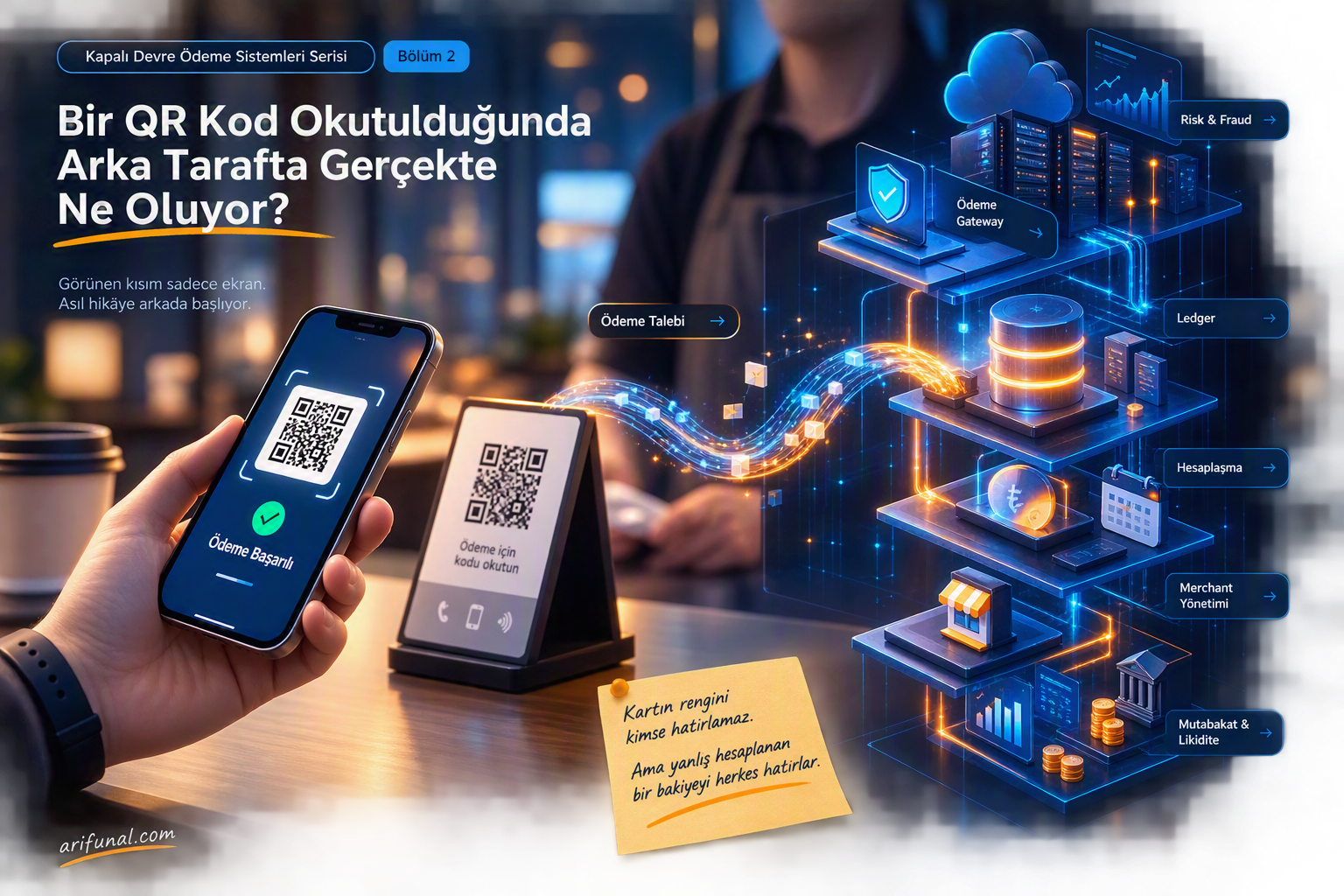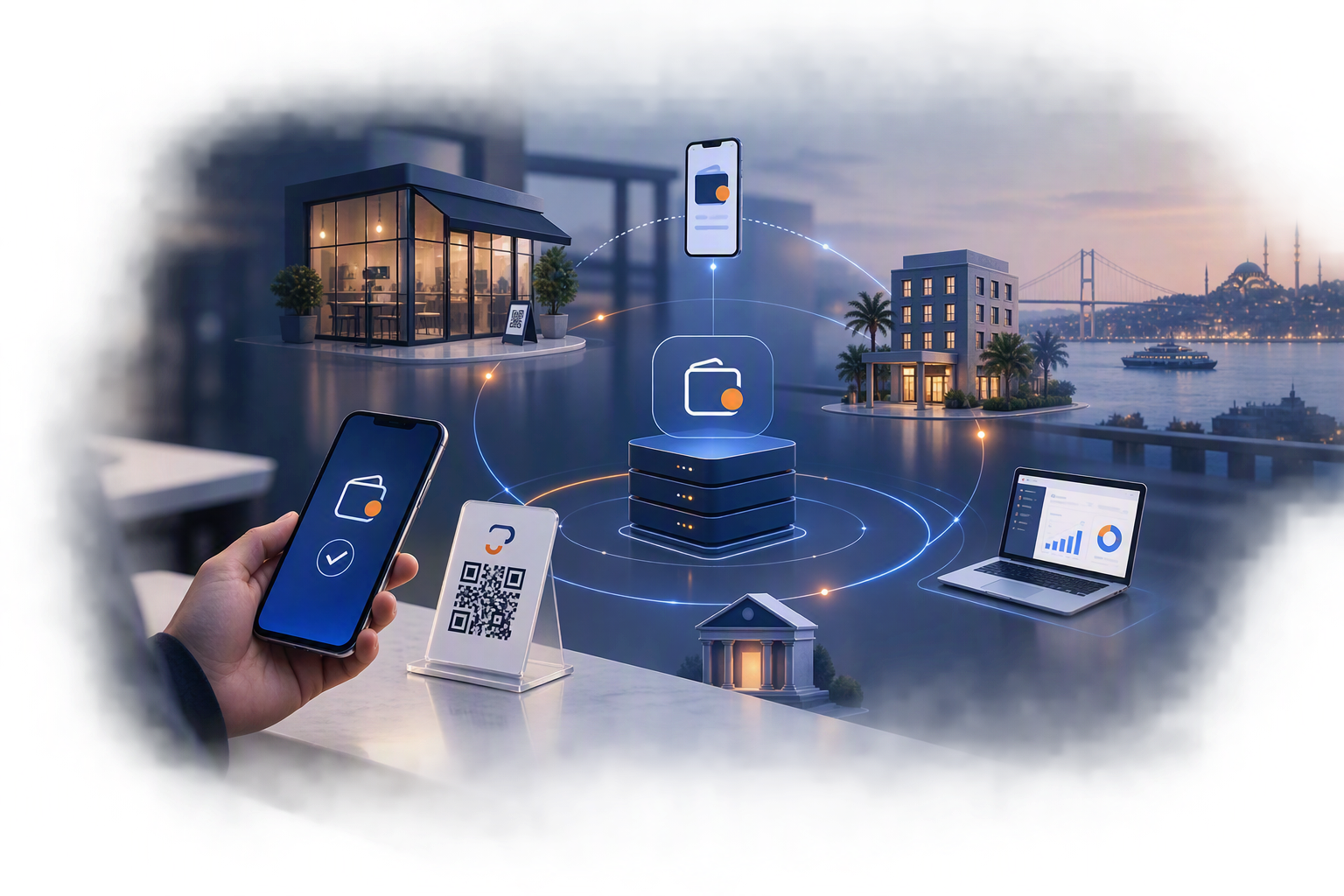
Digitalization has brought major change to payment systems, just as it has to every area of our lives. It would not be far off the mark to say that its biggest impact has been turning the financial world into something virtual.
When we talk about digitalization in payment systems today, we can point to a very wide range of solutions, from various cyber payment options to mobile payment systems, and from the Internet of Things (IoT) to multi-channel management.
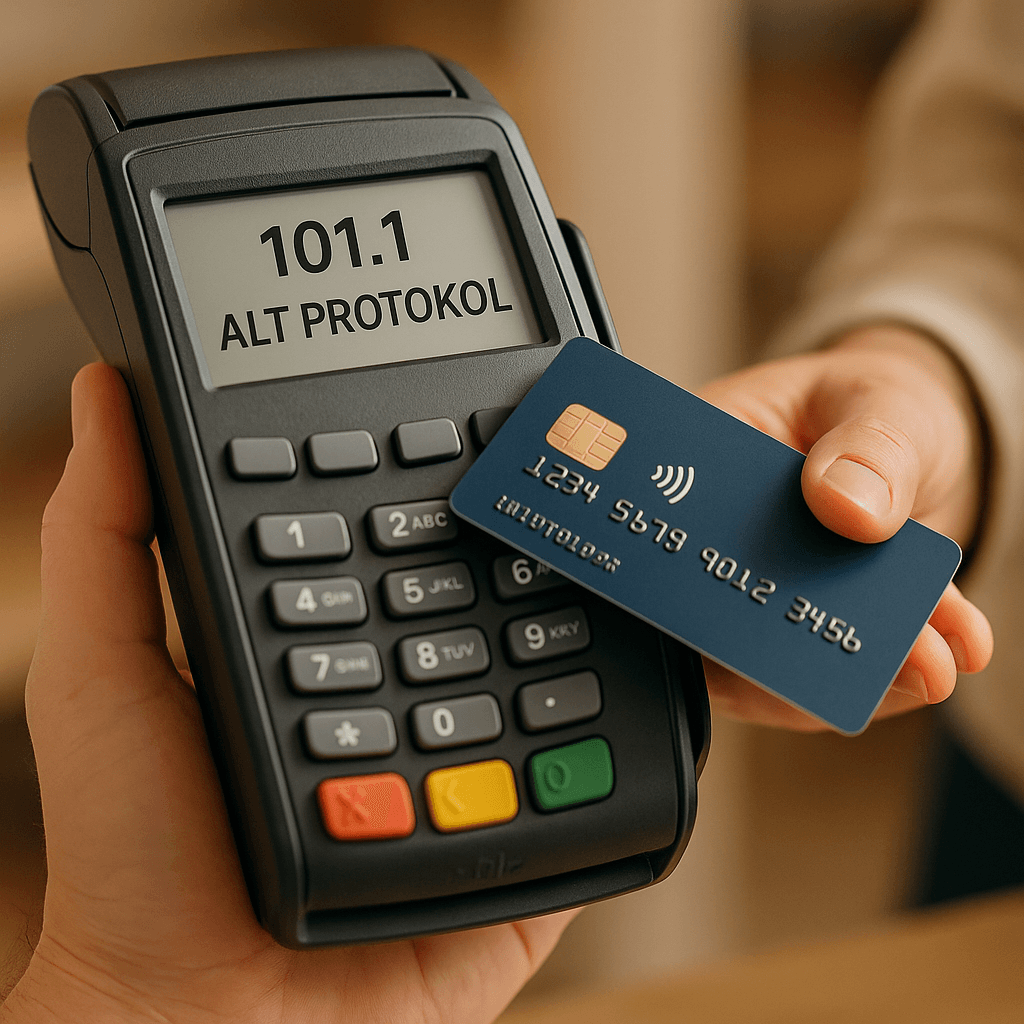
Until about 10 years ago, the first thing that came to mind when people said "payment systems" was the physical use of a credit card at POS terminals and ATMs; today, the credit card stands before us as just one part of the system, and often not even physically, but virtually.
We can now carry out many payment transactions at a maximum level of security without needing a physical card at all. Even though some of them have not yet reached the desired level of adoption, many different technologies, from NFC and HCE to mobile apps and Bitcoin, are already actively used in our lives. Considering the dizzying change digitalization has brought to our lives, I think we can all agree that technologies not yet used widely enough today will become far more present in the coming years, and that we will say hello to many technologies that are not yet part of our lives at all.
The Internet of Things (IoT) is a communication network in which physical objects are connected to one another or to larger systems. According to Gartner Inc., it is estimated that there will be 26 billion internet-connected devices by 2020. Smart devices built on IoT can, in principle, act independently, but for them to act fully independently, integrating with payment systems appears to be a necessity. For example, in a fully automated parking system, having the parking fee paid automatically as well would ensure the process runs flawlessly from end to end. For this reason, people have even started talking about the concept of IoP (Internet of Payments) for payment-system integration. It's clear we'll be hearing these terms much more often in the near future.
Generation Z, made up of those born in 2000 and after, is growing up and becoming more active in everyday life with each passing day. This generation, which particularly prefers to socialize over the internet, has grown up immersed in technology, unlike other generations, and so its expectations of and perspective on technology are very different. As companies digitalize, they need to carefully analyze Generation Z's expectations and perspective, and take this generation's wishes seriously.
Every day we keep hearing about new structures being integrated with blockchain infrastructure. MasterCard and Visa, which form the foundation of payment systems, are well aware of the importance of this topic and have announced that they have begun developing solutions to integrate the payment-systems structure with blockchain infrastructure.
Efforts to carry out payments through digital verification of the palm, retina, fingerprint, and voice are increasing every day. We can say that this kind of payment will become much more present in our lives in the near future.
Our mobile phones are no longer just phones. Depending on the situation, a phone can act as a credit card, or as a POS device. With digitalization, it isn't hard to predict that the physical POS devices we're used to seeing at store checkouts will gradually start disappearing, and that payments will instead be taken through mobile phones.
Digital transformation is coming with a roar, and its footsteps grow louder every day. Companies need to recognize that digital transformation is not merely a trend but a concept that will shape the future of the business world, and plan their futures accordingly.
Companies that want to shape their future through digital transformation need to build an agenda around the topic, define the right corporate approach, and secure their place in the digital world of the future. Otherwise, companies that fail to do so are doomed to disappear in an increasingly digital world.
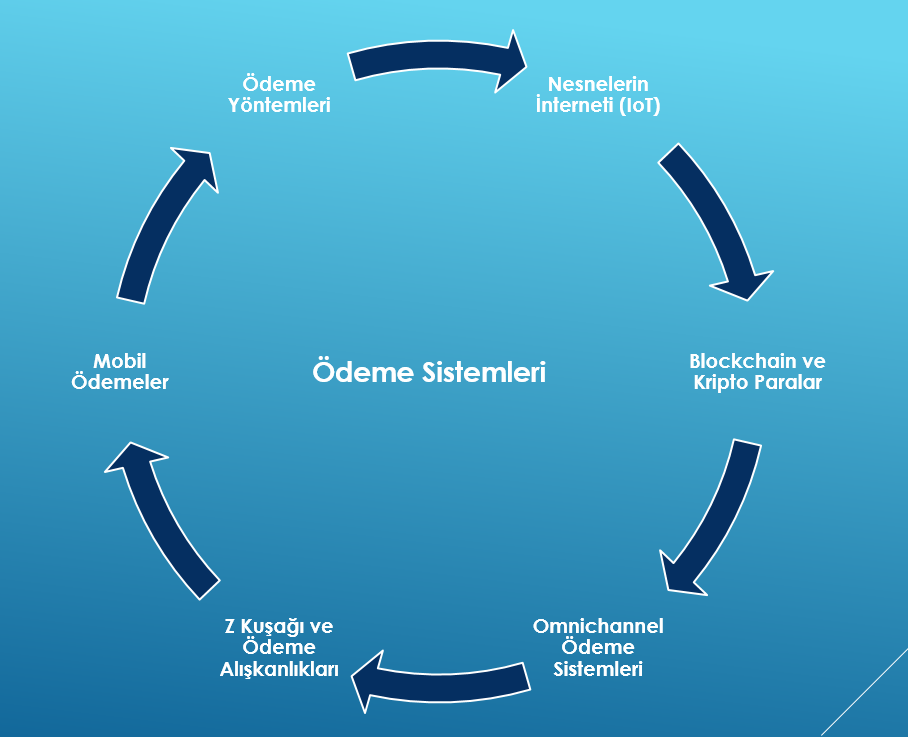
So what exactly should we understand by digitalization in payment systems?
- Internet of Things (IoT)
- Blockchain and Cryptocurrencies
- Omni-Channel Payment Systems
- Generation Z and Payment Habits
- Digital Wallet
- Mobile Payments
- Credit Card (HCE, NFC, etc.)
- POS (Using a mobile phone as a POS device)
- Payment Methods
- Voice
- Palm
- Fingerprint
- Retina
- Money 4.0