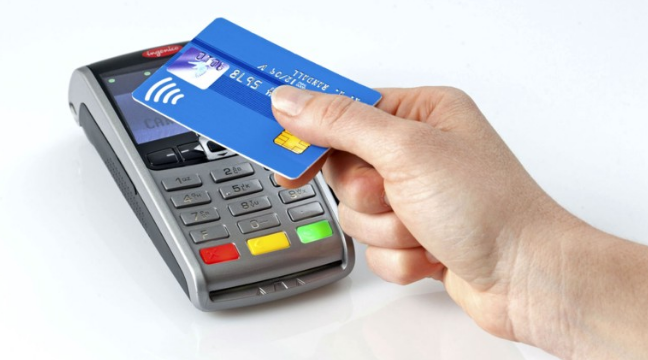
A POS is a functional device that has its own dedicated software and is customized according to the authorization system of the bank it is connected to, accepting credit cards or debit cards.
So, banks abroad launch dozens of new card products every day. How does a POS device recognize these products and decide that they are foreign cards?
Many parameters are maintained on POS devices. Two of these parameters are:
- The POS bank's card BIN list
- The card BIN list of domestic banks is maintained.
(*) BIN: This is the first 6 digits of the card. The first-6-digit information is assigned to only one bank. Anywhere in the world, entering the first 6 digits makes it possible to access the bank's information.
When a card is inserted into the POS device:
- The card's BIN number is determined.
- It is checked whether the card's BIN number is in the POS bank's card list or in the domestic banks' card list.
- If the card's BIN number is not in either of the 2 lists, it is automatically interpreted as a foreign card.
Otherwise, foreign card BINs would need to be constantly updated, and parameters would need to be loaded onto the POS so that it recognizes foreign cards from a foreign BIN list, which would be both cumbersome and a solution that would bring new problems along with it.
So, doesn't the flow described above have any problems?
Of course it does. For example, if a card product issued with a new BIN by a domestic bank is not added to the POS parameter application, or if the POS does not pick up this parameter, these cards are interpreted as foreign cards.
For this reason, when a new BIN is shared by BKM with the banks, these definitions must be made systemically and loaded onto the POS.