Whether a card is required for a pre-authorization transaction depends on the type of POS used.
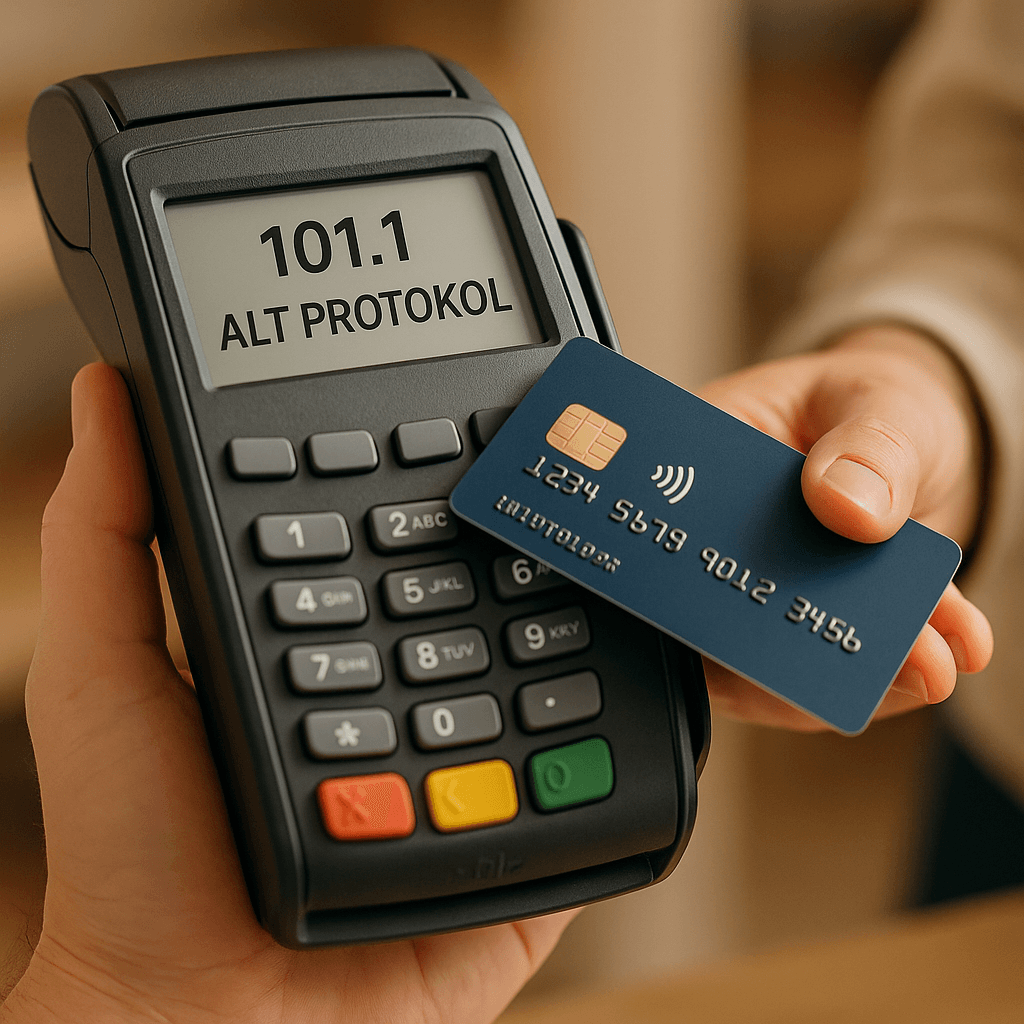
If the transaction is carried out on a physical POS, the transaction must be started by swiping or inserting the card.
If the transaction is carried out on a virtual POS, it is enough to enter the card details manually on the screen. There is no need for the card to be physically present.
What is pre-authorization?
Pre-authorization is the blocking of a specific amount from the card's limit in situations where the exact transaction amount is not yet known. It is commonly used for hotel stays, car rentals, and in some service sectors. The blocked amount is not yet charged to the cardholder's account; it only reduces the available limit.
Closing (capturing) the pre-authorization
When the service is completed, the merchant performs a "pre-authorization closing" transaction for the actual amount. This finalizes the amount and charges it to the cardholder's account. The closing amount may be lower than the pre-authorization amount, or higher within the rate the bank allows. Once the closing is completed, the block reserved for the pre-authorization is released.
What happens if the closing is not performed?
If the pre-authorization is not closed within a certain period, the blocked amount is released back into the cardholder's limit at the end of that period. This period varies depending on the bank and the card scheme. If a cardholder sees a block on their limit for a long time after receiving the service, it is worth contacting the merchant or their bank.
Is the card required for the closing transaction?
On a physical POS, the pre-authorization closing transaction can usually be performed without swiping the card again, using the reference information from the original pre-authorization transaction. This way, the cardholder does not need to hand over their card again once the service is finished.